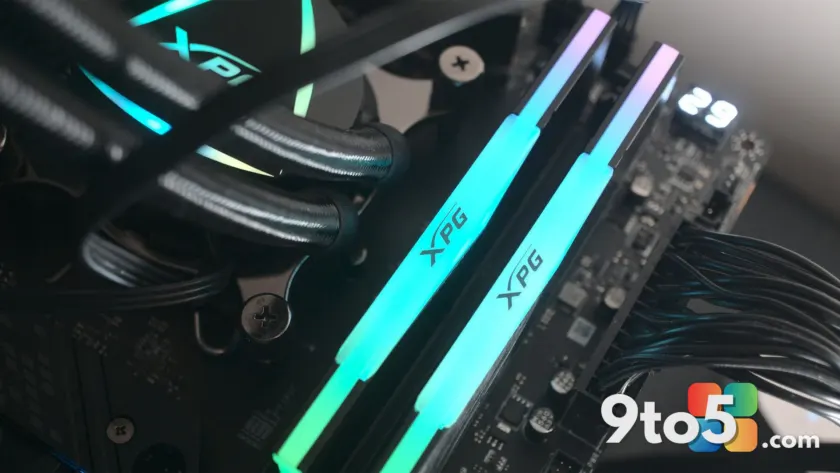
A new class-action lawsuit filed in California federal court is taking aim at the three dominant forces in the memory chip industry: Samsung, SK hynix, and Micron. The complaint alleges that these companies have engaged in a coordinated effort to fix prices and artificially constrain the supply of dynamic random access memory (DRAM), driving up costs for consumers and businesses alike.
The suit argues that this behavior has created a “distorted market crippled by the behavior of DRAM oligopolists.” According to the filing, these three manufacturers control approximately 90% of the global DRAM supply. The plaintiffs claim that since 2022, the trio has manipulated the market to raise prices by roughly 700% over four years.
The core allegations: Supply manipulation and AI prioritization
The lawsuit centers on the argument that a competitive market would naturally respond to rising prices by increasing production. Instead, the complaint alleges that Samsung, SK hynix, and Micron moved in lockstep to reduce output of DDR3 and DDR4 memory modules.
Simultaneously, the suit claims these companies shifted their manufacturing focus toward High Bandwidth Memory (HBM), which is critical for AI data centers. By diverting resources to high-margin HBM production while restricting supply of conventional consumer DRAM, the manufacturers allegedly created an artificial scarcity. This strategy allowed them to drive up prices with “mind-blowing scale and rapidity,” according to the legal filing.
Why this matters for your wallet
The impact of these alleged practices extends far beyond PC enthusiasts building custom rigs. The global DRAM shortage has rippled through the entire consumer electronics market, leading to significant price hikes across various device categories.
- Gaming Consoles: Microsoft recently announced steep price increases for Xbox consoles, citing component costs.
- Laptops and Tablets: Apple has raised MacBook prices, and Microsoft increased costs for Surface Pro and laptop PCs.
- New Hardware: Valve’s upcoming Steam Machine is priced at $1,049, a figure significantly higher than the expected $700 debut price, partly due to memory costs.
The lawsuit contends that consumer purchasers of conventional DRAM and devices incorporating it have paid supracompetitive prices as a direct result of this distorted market. For everyday users, this means the high cost of upgrading or buying new hardware is not just a function of standard inflation, but potentially the result of coordinated supply restrictions.
Barriers to entry and historical context
The complaint also highlights the difficulty of challenging this oligopoly. Building a DRAM fabrication plant requires billions of dollars in investment and years of development, alongside specialized expertise. While Chinese manufacturers like CXMT and YMTC are emerging, US export controls and supply chain complexities have limited their ability to disrupt the market significantly.
This is not the first time these companies have faced legal scrutiny for similar behavior. Between 1998 and 2022, Samsung and SK hynix were accused by the US Department of Justice of price-fixing conspiracies. Samsung paid a $300 million fine, and SK hynix paid $185 million. Micron avoided fines in that earlier case after cooperating with officials and reporting the conspiracy.
As of now, none of the three companies has issued a public statement regarding this new lawsuit. The allegations remain unproven in court, but the filing underscores growing frustration over the prolonged “RAMpocalypse” that has kept hardware prices elevated well into 2024 and beyond.
Source: Latest from Windows Central
Over to you: Do you believe the recent price hikes on PCs and consoles are due to genuine supply constraints or coordinated actions by manufacturers?
You may also like
 Microsoft admits Outlook’s most critical feature is currently broken
 Microsoft to auto-install Microsoft 365 Copilot app on eligible Windows PCs starting June 2026
 Microsoft kills Edge Drop, Collections, and Sidebar to clear the way for Copilot
 Secure Boot deadline passed: What happens to your Windows 11 PC if you missed the update