Linux is finally drawing a hard line on processor compatibility. The upstream kernel development team has officially made a long-standing x86 CPU feature a mandatory requirement for all new installations, effectively ending support for older processors that lack it. The move mirrors a hardware baseline strategy that Windows implemented years ago, and it signals a clear shift in how the Linux ecosystem approaches legacy hardware.
The Windows Precedent for Hardware Baselines
Operating systems have always needed to balance broad compatibility with modern security and performance standards. Windows solved that tension by establishing minimum hardware requirements early in its consumer history. Starting with Windows 95 and refining the approach through Windows XP, Vista, and Windows 7, Microsoft progressively required features like Physical Address Extension (PAE), the NX/XD bit for data execution prevention, and SSE2 instruction set support. Each baseline shift removed older hardware from the supported list, but it also closed entire classes of security vulnerabilities and unlocked performance improvements that the industry had outgrown.
That model worked because Microsoft controls both the operating system and the hardware certification pipeline. When Windows raised the bar, OEMs adjusted their product roadmaps accordingly, and enterprise deployment tools were updated to filter out non-compliant machines. The result was a cleaner, more secure ecosystem, even if it left some legacy systems behind.
Why Linux Is Finally Drawing the Line
Linux has historically resisted hard baselines for a simple reason: the ecosystem is too fragmented. A desktop Ubuntu installation, a Raspberry Pi cluster, an embedded industrial controller, and a massive cloud instance all run the same kernel, and forcing a single hardware floor would break compatibility across a huge portion of those workloads. Distro maintainers have long patched around missing features rather than demanding them, which kept older hardware alive but also preserved outdated security postures.
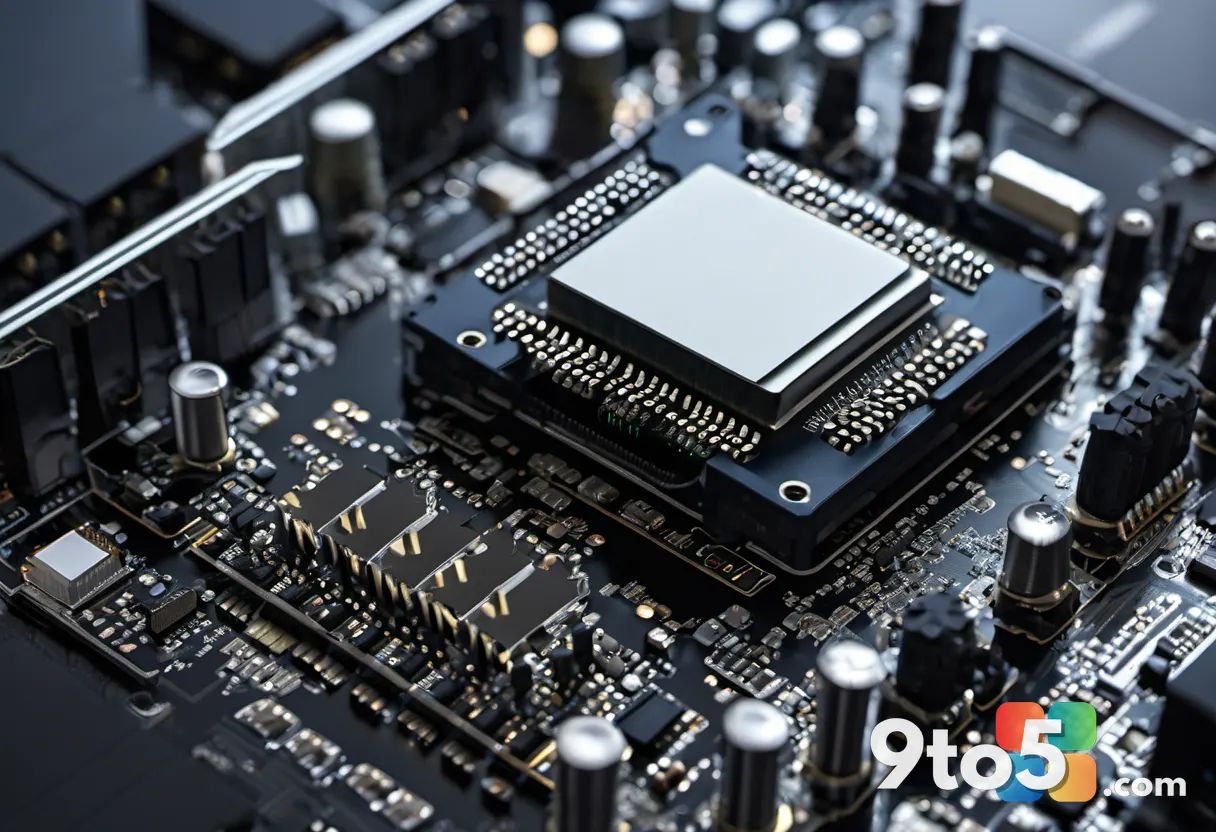
That approach is no longer sustainable. Modern x86 processors have shipped with the required feature for well over a decade, and the instruction set has become foundational for memory management, virtualization, and hardware-enforced security. Continuing to support processors without it now introduces unnecessary attack surface, complicates kernel maintenance, and forces developers to write conditional code paths that slow down execution on every modern machine. The upstream decision to mandate the feature aligns the Linux kernel with the same reality that Windows addressed years ago: the industry has moved on, and the kernel should move with it.
What This Means for You
If you are running a desktop or laptop built after 2012, this change will likely have zero impact on your daily workflow. The required feature is present in virtually every x86 processor released in the last fifteen years, and your current installation already relies on it. However, if you are maintaining older hardware, running legacy appliances, or managing a fleet of aging enterprise machines, you will need to verify compatibility before upgrading. Most major distributions will provide a clear deprecation notice in their release notes, and hardware vendors typically publish supported processor lists alongside their kernel updates. If your machine lacks the feature, the practical path forward is either to retire the hardware or continue using a legacy-supported release track that the distro explicitly maintains for older systems.
How to Get It
The change is being rolled out through the mainline Linux kernel and will reach end users via standard distribution updates. If you are on a rolling-release model, the update will land in your next kernel package push. If you are on a point-release schedule, expect it to ship with the next major distribution release or as a certified backport for supported versions. You do not need to take any special action to enable the requirement; it is enforced automatically during the boot process. Systems that lack the mandatory feature will simply fail to initialize the kernel, which is the intended behavior. Users who want to verify their hardware before upgrading can check their processor specifications through the manufacturer documentation or by running a standard CPU identification utility in their current session.
The Broader Impact on the Linux Ecosystem
Enterprise administrators and cloud providers will notice the shift most immediately. Data center refresh cycles are already aligned with modern instruction sets, so the requirement will largely apply to legacy on-premises hardware that has been kept in rotation past its intended lifespan. For developers, the cleanup is straightforward: conditional compilation blocks and compatibility shims can be removed, which reduces code complexity and improves runtime performance across the board. The decision also reinforces a longer trend in open-source operating system development, where security hardening and maintainability are gradually taking precedence over backward compatibility for unsupported hardware. Linux is no longer trying to run on everything, and that focus is making the platform more secure and efficient for the systems that actually matter today.
Source: Neowin
Over to you: Are you keeping older hardware in rotation, or is it time to retire it for a system that meets the new Linux baseline?