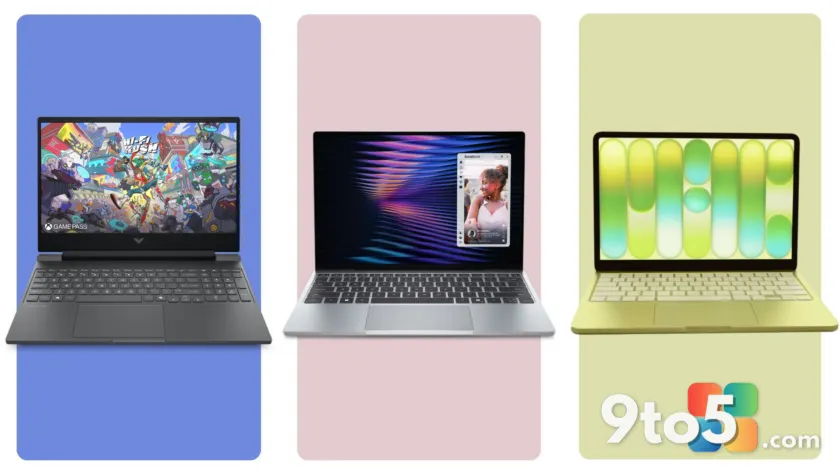
A viral video comparing Apple’s MacBook Neo to a budget Windows gaming laptop recently racked up 5.4 million views on X, prompting a direct response from Microsoft. The tech giant quote-tweeted the clip with footage of the new Dell XPS 13, aiming to counter the narrative that Windows hardware lacks refinement. This move comes just days after Apple quietly increased the MacBook Neo’s price from $599 to $699.
While the marketing stunt highlights the competitive nature of the ultraportable market, it also shines a light on a deeper issue for Microsoft: despite superior hardware options, many users remain skeptical of Windows 11 due to past software performance issues. Here is how the comparison plays out and what it means for your next laptop purchase.
The original video was an unfair comparison
To understand Microsoft’s response, you first need to look at the source material. The viral clip, posted by user @Ahmadansari2233 on May 1, pitted the $599 MacBook Neo against a $699 HP Victus gaming laptop. The video focused on thinness tests, port counts, and chassis rigidity, consistently making the HP look inferior.
However, comparing a fanless ultraportable to a budget gaming machine is an apples-to-oranges scenario. Gaming laptops like the Victus prioritize GPU performance and cooling over chassis stiffness or premium materials. As many commenters pointed out, a fairer comparison would have been against a business-class ultrabook like an HP ProBook or EliteBook. The video’s engagement bait strategy worked because it ignored these nuances, leading viewers to believe the Neo was the only viable budget option.
Microsoft and Dell counter with the XPS 13
Microsoft’s response featured the new Dell XPS 13 (2026) in Sky Blue, priced at $699 for general consumers and $599 for students. The video highlighted features the MacBook Neo lacks, including a touchscreen, Windows Hello facial recognition, and a sticker-free keyboard deck. Dell joined the conversation, emphasizing that the XPS 13 offers premium craftsmanship alongside seamless sign-in capabilities.
The new XPS 13 is a serious contender in the sub-$700 market. The base model features an Intel Core 5 320 “Wildcat Lake” processor, 8GB of RAM, and a 512GB SSD. It weighs just 2.2 pounds (1 kg) and measures 12.7mm thick, making it lighter than the MacBook Neo’s 2.7 pounds while matching its thinness. Dell has also confirmed that configurations with Intel Core Ultra Series 3 chips, up to 32GB of RAM, and 1TB of storage will arrive later this summer.
Head-to-head: XPS 13 vs. MacBook Neo
When you look past the marketing videos and compare the specifications directly, the Dell XPS 13 offers significant advantages over the MacBook Neo at the same price point. Here is how they stack up:
- Display: The XPS 13 features a 13.4-inch 2.5K (2560 x 1600) touch display with a variable 30-120Hz refresh rate, 500 nits brightness, and 100% DCI-P3 color coverage. The MacBook Neo has a non-touch 2408 x 1506 panel with a fixed 60Hz refresh rate and sRGB coverage.
- Biometrics: Windows Hello IR face unlock is standard on all XPS 13 configurations. The base MacBook Neo lacks biometric security entirely, reserving Touch ID for the $799 tier.
- Connectivity: The XPS 13 includes Wi-Fi 7 and two full-speed USB-C 3.2 Gen 2 ports (or Thunderbolt 4 on higher-end models). The Neo uses Wi-Fi 6E and includes one USB-C port capped at USB 2.0 speeds.
- Audio: Dell equips the XPS 13 with a quad-speaker setup delivering 8W peak output with Dolby Atmos, compared to the Neo’s dual side-firing speakers.
- RAM Configurability: While both base models start with 8GB, the XPS 13 allows upgrades up to 16GB (Core 5) or 32GB (Core Ultra). The MacBook Neo has a hard ceiling of 8GB with no upgrade path.
The only areas where the MacBook Neo holds its ground are the inclusion of a 3.5mm headphone jack and fanless silent operation, though the latter often leads to thermal throttling under sustained loads.
Windows 11’s reputation is the real hurdle
Despite the hardware advantages of the XPS 13, Microsoft’s response received a mixed reception online. Many users commented that “the only drawback is Windows,” citing years of frustration with bloat, memory leaks, and the forced integration of Copilot features. The nickname “Microslop” appeared frequently in replies, reflecting lingering resentment over past software decisions.
This sentiment stems from real issues. Popular apps like Discord, Teams, and WhatsApp have been known to consume significant RAM on Windows 11, a problem exacerbated by rising memory chip prices. Microsoft’s own messaging has been inconsistent; the company pushed 16GB of RAM as the minimum for Copilot+ PCs for years, only to release an 8GB Surface Laptop at $1,299 earlier this year.
However, Microsoft has been actively working to address these performance concerns in 2026. Recent updates have fixed memory leaks, slow startup times, and File Explorer bugs. The introduction of the Low Latency Profile CPU scheduler has also made budget hardware feel snappier when launching apps or accessing the Start menu. These improvements are expected to continue with the Windows 11 26H2 update arriving this fall.
The challenge for Microsoft is awareness. Many potential buyers remain unaware of these fixes, still operating under the impression that Windows 11 is sluggish or bloated. While the Dell XPS 13 is objectively a better machine than the MacBook Neo on paper, overcoming years of accumulated software frustration remains Microsoft’s biggest battle.
What this means for you: If you are in the market for a budget ultraportable, the Dell XPS 13 offers superior display quality, connectivity, and upgradeability compared to the MacBook Neo. However, if you have had negative experiences with Windows 11’s resource management, you may want to wait for the Windows 11 26H2 update this fall to ensure a smoother experience before making the switch.
Source: Windows Latest
Over to you: Would you choose the Dell XPS 13 for its superior specs and touchscreen, or stick with the MacBook Neo for macOS compatibility?