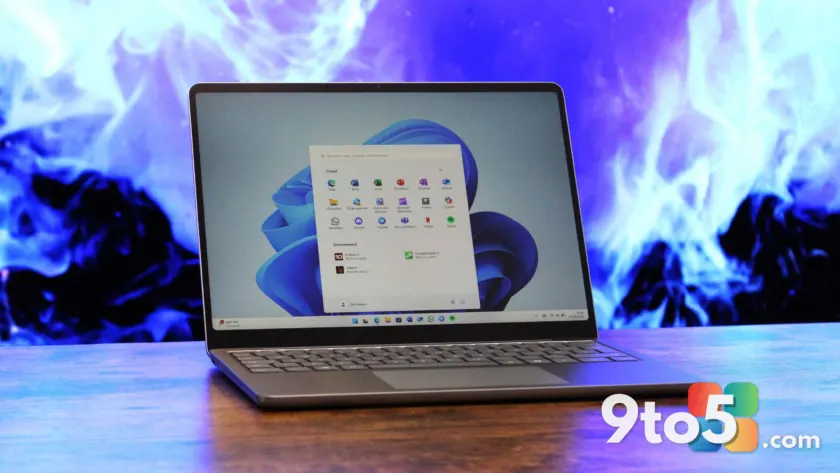
Microsoft has officially introduced lower-priced configurations for its flagship hardware, bringing the entry-level cost of the Surface Pro 12-inch down to $849 and the Surface Laptop 13-inch to $949. These new SKUs feature just 8GB of RAM, a move driven by ongoing component shortages and rising manufacturing costs that have forced tech giants like Apple and Acer to adjust their pricing strategies as well.
While the intent is to make Microsoft’s ecosystem more accessible, the execution raises questions about value. Launching these budget-friendly models during one of the biggest shopping events of the year—Prime Day—means consumers can find significantly more powerful hardware from competitors for roughly the same price.
The 8GB RAM reality
For years, 16GB was considered the safe baseline for a modern Windows machine. However, testing has shown that 8GB of RAM is still viable and enjoyable for everyday tasks on Windows 11, provided you aren’t running heavy virtual machines or editing 4K video. Microsoft’s decision to offer these configurations acknowledges that many users prioritize portability and price over raw multitasking power.
The Surface Pro 12-inch with 8GB of RAM starts at $849, while the 13-inch Surface Laptop sits at $949. These prices represent a slight increase from previous generations in some regions, reflecting the broader industry trend of rising component costs.
Competing value propositions
The timing of this announcement creates a difficult comparison for shoppers. While Microsoft pushes its new entry-level Surfaces, retailers are offering aggressive discounts on competing laptops that offer far more memory and storage.
- Dell XPS 13 (9345): Currently available for $999.99, this model features a Snapdragon X Elite processor, 32GB of RAM, and a 512GB SSD. That is four times the memory and double the storage of the new Surface Laptop for only $50 more.
- HP OmniBook Ultra 14: This device has seen discounts of up to $650 off its retail price. It sports the newer Snapdragon X2 Elite chip, a high-end OLED touchscreen, and premium build quality that rivals Microsoft’s own devices.
When you compare an $849 Surface Pro with 8GB of RAM to a $1,000 Dell XPS with 32GB of RAM, the value gap becomes stark. Microsoft’s strategy appears to be filling a specific niche for ultra-budget buyers, but it risks alienating users who want better performance without paying a premium.
What this means for you
If you are in the market for a new Surface device, the new 8GB models offer a lower barrier to entry. They are suitable for students, casual web surfers, and users who primarily rely on cloud-based applications.
However, if you plan to keep your laptop for several years or run multiple applications simultaneously, waiting for sales on higher-spec models from Dell, HP, or even Microsoft’s own 16GB+ configurations may provide better long-term value. The current market landscape suggests that spending an extra $50–$100 can net you significantly more hardware capability.
Source: Windows Central
Over to you: Would you buy an 8GB Surface for $849, or wait for a sale on a model with 16GB or more?
You may also like
 Microsoft Edge calls itself the ‘best browser’ after Mac users defend its performanceWindows 11 turns five: A look back at the anniversary, plus Starlink mobile and Ford’s EV stumbleMicrosoft launches Azure Linux 4.0: A free, cloud-only distro built for scaleItaly probes Microsoft over M365 Copilot price hikes and auto-upgrades