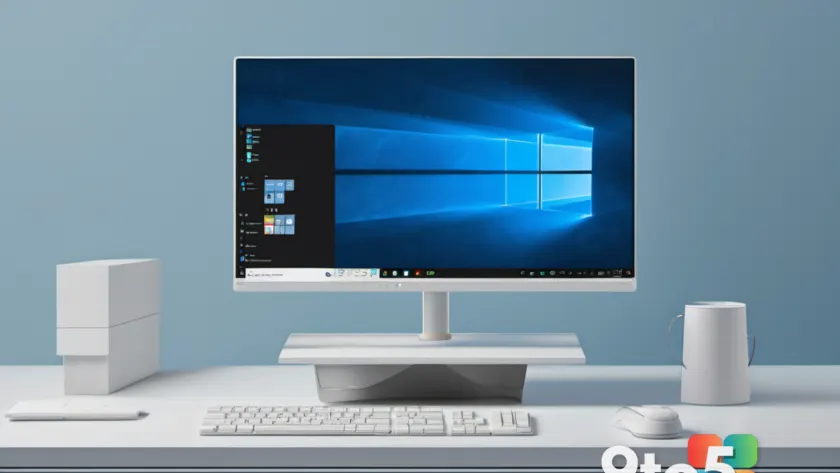
A new survey from the Browser Choice Alliance is adding fresh data to a long-running debate about Microsoft’s approach to web browsing on Windows. According to research polling 2,000 U.S. adults, navigating away from your Windows 11 default browser remains surprisingly difficult, with the majority of users reporting unwanted redirection, confusing settings, and broken third-party workarounds. The findings come as Microsoft continues to integrate Chromium-based Edge deeper into the operating system, a move that has drawn both regulatory scrutiny and persistent user frustration.
What the survey actually found
The Browser Choice Alliance, a coalition that includes direct competitors to Edge such as Google Chrome, Vivaldi, and Opera, conducted the study to measure how easily everyday users can manage their web preferences. The results paint a clear picture of user expectations clashing with system behavior. Eighty-six percent of respondents believe they should hold primary control over which browser opens their links, and eighty percent want a straightforward one-click option to set it. Yet only 19 percent said they would actively choose Edge if given the choice, while 26 percent currently have it as their default. That gap suggests a significant portion of Windows users are stuck with Edge not by preference, but by default configuration.
The friction is real. Seventy-two percent of participants who attempted to change their default browser in the past two years reported encountering obstacles. Those obstacles include persistent Edge recommendations in system menus, applications automatically launching in Edge, and system links ignoring the user’s chosen default. Nearly a third of respondents (29 percent) also noted that routine Windows updates directly contributed to their browser preference being reset or altered. The survey also highlighted a notable generational divide: 44 percent of users aged 65 and older found the process complex, compared to just 15 percent of those aged 18 to 44. Confidence dropped sharply among older users, with 61 percent saying they lacked the knowledge to change the setting reliably.
Why the Windows 11 default browser setting fights back
Microsoft’s design choices around browser selection did not emerge in a vacuum. For years, the company treated Edge as a core Windows component rather than an optional application, embedding it into system handlers, help menus, and the Start menu. When the European Union’s Digital Markets Act forced Microsoft to ship a browser picker for EU users, the company treated the requirement as a regional compliance fix rather than a universal design improvement. That decision meant the same friction remains baked into Windows 11 for users outside Europe.
The technical architecture behind the problem is equally persistent. Microsoft has historically argued that routing system widgets, search results, and certain help dialogs through Edge ensures a consistent, optimized experience. Independent reviewers and privacy advocates have frequently questioned that claim, noting that system components can easily render web content without forcing a specific browser. Compounding the issue, third-party tools like MSEdgeRedirect and EdgeDeflector once provided reliable workarounds by intercepting link handlers. Those utilities now struggle to function under recent Windows 11 updates, leaving users with fewer options to reclaim control.
What this means for you
If you regularly switch between browsers or rely on specific extensions for security and privacy, the survey findings should not be surprising. The core issue is that Windows 11 treats browser selection as a system-level setting rather than a user preference, which means OS updates, feature rollouts, and background services can quietly override your choice. For older users or those less comfortable navigating advanced settings, this creates a genuine accessibility barrier. The fact that nearly a third of respondents experienced update-driven resets also raises questions about how Windows handles user-configured handlers during major version upgrades.
From a practical standpoint, the Manifest V2 deprecation timeline adds urgency. Users who depend on uBlock Origin or similar tools will need to migrate to browsers that support Manifest V3 or alternative filtering architectures. If Windows 11 continues to complicate that migration, it effectively pushes users toward Edge regardless of their stated preferences.
What to do about it
Changing your default browser in Windows 11 still works, but it requires navigating multiple menus rather than a single toggle. You can adjust it through Settings > Apps > Default apps, though you may still encounter links that open in Edge despite your selection. Microsoft’s own documentation acknowledges that certain system components intentionally use Edge for rendering, which is why some URLs will bypass your preference regardless of the setting.
For users who want tighter control, keeping Windows 11 updated is still the safest path, as Microsoft occasionally adjusts handler behavior in cumulative patches. However, those relying on third-party redirect tools should verify compatibility before updating, since recent builds have restricted their functionality. If you are migrating away from Edge due to extension limitations, consider setting up your preferred browser before installing Windows updates to reduce the chance of a forced reset.
Source: Latest from Windows Central
Over to you: Have you successfully switched your default browser in Windows 11, or have you hit the same redirection roadblocks?
You may also like
 Windows 11 Low Latency Profile now boosts app launch speeds, here’s how to check
 Microsoft Drops Picture Password Setup in Windows 11 July Update
 Why Windows 11 Still Can’t Shake Its Old Interface, Explained by a 2003 Microsoft Blog Post
 Windows Quick Machine Recovery: The Hidden Risks of Cloud-Based Boot Fixes