Sony has confirmed it will remove over 550 movies and TV shows from PlayStation user accounts starting on September 1, 2026. The content, licensed from Studio Canal, includes titles like Terminator 2, Apocalypse Now, and Mulholland Drive. Users who purchased these items will lose access entirely, with no option to download them for offline playback and no refunds offered.
This decision has reignited the debate over digital ownership. When you click “Buy” on a storefront, do you actually own the content, or are you just renting it until the license expires? Sony’s move suggests the latter, leaving consumers with empty libraries despite having paid full price.
The service gap
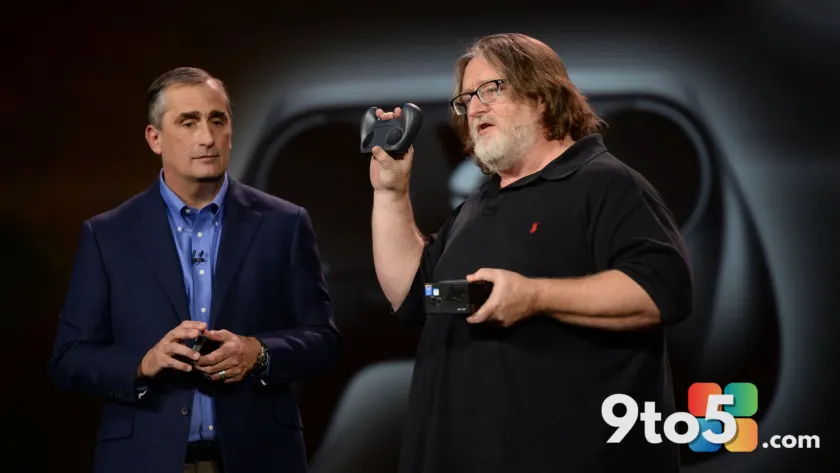
This situation brings to mind a famous quote from Valve co-founder Gabe Newell: “Piracy is not a pricing issue. It’s a service issue.” Newell argued that the best way to combat piracy isn’t through anti-piracy technology or lower prices, but by providing a service superior to what pirates offer.
In this context, Sony has failed to provide that service. If “buying” content only grants temporary access dependent on volatile corporate licensing deals, the digital storefront model is fundamentally broken. Consumers naturally seek alternatives when they cannot trust that their purchases will remain accessible.
The “Buy” button problem
Sony’s notification to users explicitly states that previously purchased Studio Canal content will be removed. The company could argue that users agreed to terms allowing revocation of access, but the user interface tells a different story.
In most cases, the “Buy” button was presented alongside a “Rent” button. This distinction implies two different actions: one for permanent ownership and one for temporary access. By using the word “Buy” and then removing the content, Sony creates a disconnect between consumer expectation and legal reality. It is akin to selling someone a physical DVD and then breaking into their home years later to take it back.
What this means for Xbox users
While this issue currently affects PlayStation, it serves as a warning for all digital media consumers. Reports indicate that over 90% of Xbox games are purchased digitally, with PlayStation digital sales making up 78% of purchases. As physical media becomes rarer, the security of digital libraries becomes paramount.
If companies continue to treat digital purchases as revocable licenses without clear communication, consumer confidence will erode. Users may increasingly turn to alternative methods to acquire content, not because they want to steal, but because they want to ensure their collections survive licensing disputes.
Microsoft has not yet commented on whether similar protections exist for Xbox digital media purchases. However, the principle remains: if you buy it, you should keep it. Until then, the debate over what “ownership” means in the digital age continues.
Source: Windows Central
Over to you: Do you trust digital storefronts to keep your purchased content forever, or do you still prefer physical media?
You may also like
 Microsoft Edge calls itself the ‘best browser’ after Mac users defend its performanceWindows 11 turns five: A look back at the anniversary, plus Starlink mobile and Ford’s EV stumbleMicrosoft launches Azure Linux 4.0: A free, cloud-only distro built for scaleItaly probes Microsoft over M365 Copilot price hikes and auto-upgrades