Windows 11 has quietly been tracking which applications touch your hardware sensors, but that data does not surface by default. If you want to see what’s using your camera mic, location, or other sensitive peripherals, you need to pull up the built-in Privacy Dashboard. Microsoft designed this feature to give users a transparent view of app activity, complete with exact timestamps and duration. Instead of guessing which program might be recording or tracking you, you can review a chronological log directly in Settings.
What the Privacy Dashboard Shows
The Privacy Dashboard acts as a centralized activity feed for your system’s most sensitive inputs. Rather than scattering permission history across multiple menus, Windows groups camera, microphone, and location usage into a single timeline. Each entry displays the application name, the specific resource it accessed, and the precise time the request was made. This level of detail is particularly useful for spotting background processes that may have slipped past your initial permission prompts.
Microsoft introduced this dashboard as part of its broader push toward proactive privacy controls. In earlier Windows versions, you could toggle permissions on or off, but the system rarely logged when those permissions were actually exercised. The current build keeps a rolling history of recent activity, allowing you to audit your system without relying on third-party monitoring tools. The data is stored locally on your device, meaning it does not sync to Microsoft’s cloud servers by default.
How to Access the Privacy Dashboard
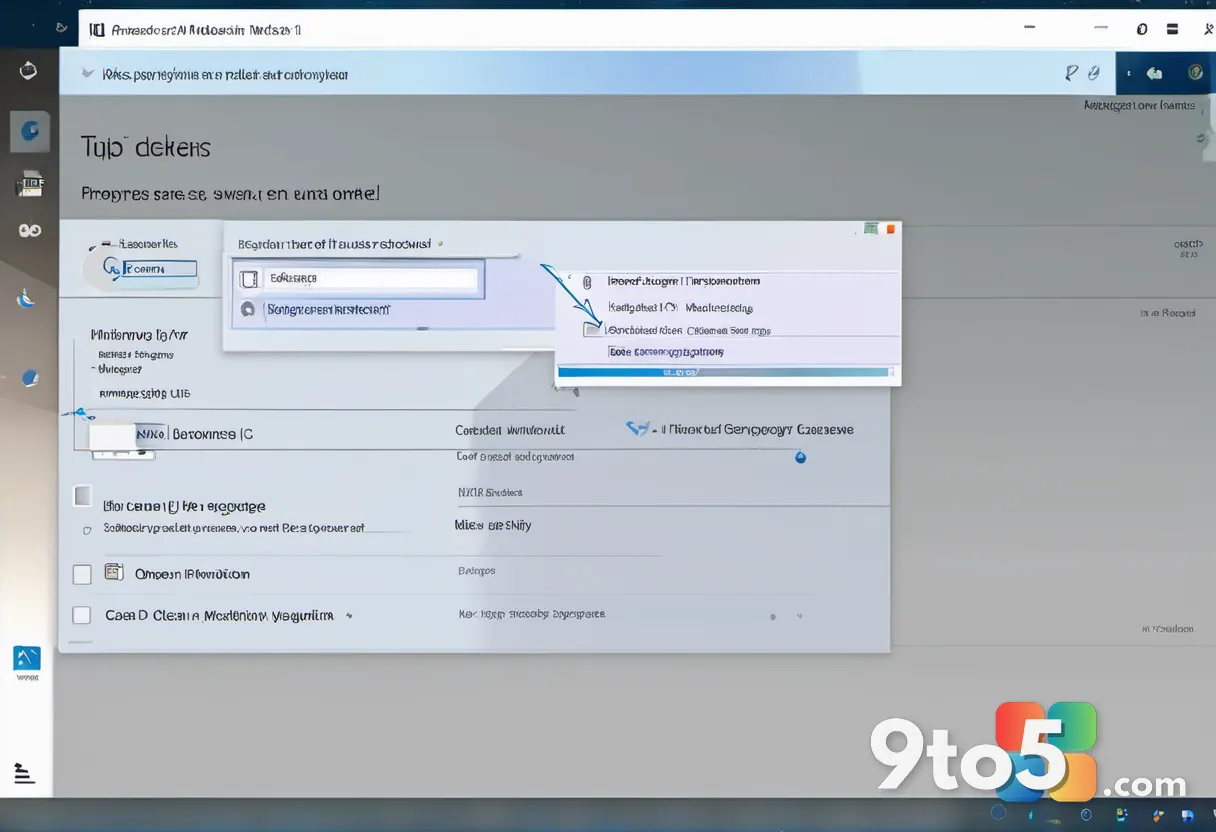
Opening the dashboard requires just a few clicks in the modern Settings app. Press Win + I to launch Settings, then navigate to Privacy & security in the left-hand sidebar. Scroll down the main panel until you find the Windows permissions section. You will see a card labeled Privacy Dashboard with a button that says Open. Click that button, and the activity feed will appear directly in the Settings window.
Once the dashboard is open, you can filter the timeline by resource type. Tapping the Camera, Microphone, or Location tabs at the top will isolate the activity for that specific sensor. The interface uses a clean, chronological layout that makes it easy to scan through recent entries. If you notice an app you do not recognize accessing your hardware, you can click directly into that entry to see which specific feature triggered the request.
Checking Camera and Microphone Usage
Camera and microphone permissions are often the most scrutinized because they involve direct audio and video capture. When you select the Camera tab in the Privacy Dashboard, Windows lists every application that has requested visual access. Each entry shows the app name, the time it ran, and how long it held the connection. This is especially helpful for identifying background updaters or installer wizards that may have briefly activated your webcam during setup.
The Microphone tab operates on the same principle. You will see a list of apps that have drawn audio input, along with the exact duration of each session. If you are using a communication tool like Teams or Zoom, those entries will naturally dominate the log. However, you may also spot utility apps, voice recorders, or even system services that have requested audio access. Reviewing these timestamps helps you confirm whether an app is behaving as expected or lingering longer than it should.
Checking Location History
Location data follows a slightly different structure because Windows tracks both active requests and continuous background positioning. In the Privacy Dashboard, the Location tab displays a log of which apps have asked for your geographic coordinates. Unlike camera and microphone logs, location entries often include a status indicator showing whether the app is currently using your location or if it is just checking in periodically.
For users who rely on maps, weather, or local search features, this log can confirm that trusted apps are functioning correctly. If you see an unfamiliar game or utility requesting precise coordinates at odd hours, it is worth investigating further. You can also pair this dashboard with the Find my device and Location services toggles in the same Privacy & security menu to tighten background restrictions.
What This Means for You
Enabling the Privacy Dashboard does not automatically change your permissions, but it does give you the visibility needed to manage them responsibly. If you regularly grant access to your camera or microphone, reviewing the activity log weekly can catch rogue processes before they become a habit. For users who prefer a stricter privacy posture, you can pair this audit with the Ask before accessing toggle for each resource type, ensuring Windows prompts you every time an app tries to reach your hardware.
The dashboard is available on Windows 11 versions 22H2 and newer, and it continues to receive updates as Microsoft refines its privacy architecture. Admins managing enterprise fleets should note that Group Policy can restrict dashboard visibility if organizational security standards require it, though most home and Pro users will have full access. By keeping an eye on this log, you shift from passive permission granting to active system monitoring.
Source: Neowin
Over to you: Have you found any apps in your Privacy Dashboard that surprised you with how often they accessed your camera or mic?