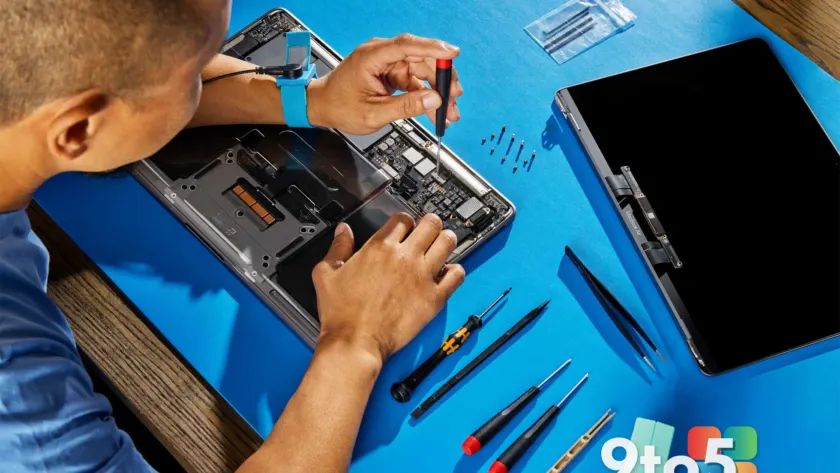
The race to build AI infrastructure is creating a ripple effect that extends far beyond data centers. A severe shortage of high-end memory chips is driving up costs across the consumer electronics industry, meaning your next Windows PC or smartphone upgrade will likely cost more than expected.
Supply chain shifts favor data centers
Memory manufacturers are prioritizing orders for AI servers over consumer devices. Analyst Ming-Chi Kuo predicts that up to 20% of remaining memory manufacturing capacity currently allocated to consumer electronics could be diverted to feed data center demands in the coming year.
This shift is expected to deepen through 2027. For smaller tech firms, this creates an existential crisis. GoPro has already warned it might go out of business due to the AI-fueled memory crunch, highlighting how vulnerable vendors without massive buying power are becoming.
Price hikes and market concentration
The financial impact on consumers is significant. Jefferies Equity Research warns that memory prices could rise by up to 50% in Q3 2026, with an additional 30% to 40% increase by the end of the year. These costs are inevitably passed down to device makers.
This volatility is exacerbated by the market dominance of three major players: Samsung, SK Hynix, and Micron. Together, these firms control approximately 90% of the global memory supply. This concentration has led to a class-action lawsuit filed in California alleging price-fixing, as critics argue the trio is leveraging its power to inflate prices at the expense of consumers and smaller competitors.
What this means for Windows users
If you are planning to buy a new laptop or desktop in the near future, expect higher price tags. Manufacturers like Dell, HP, Lenovo, and Microsoft will face increased component costs that they will likely pass on to buyers. While Apple has more clout to negotiate supply deals, even Tim Cook describes the situation as a “hundred-year flood” of challenges.
For enterprise IT managers, budgeting for hardware refreshes becomes increasingly difficult. The unpredictability of memory pricing makes long-term planning nearly impossible. Additionally, smaller vendors exiting the market could leave businesses exposed if they rely on niche hardware that suddenly loses support or repair options.
Long-term outlook
Relief is not expected until 2028, when new production capacity might begin to come online. Until then, the “AI-flation” trend suggests prices will remain elevated. While some hope for a reversal in price trends, history indicates that once costs rise in such a concentrated market, they rarely drop quickly.
The situation mirrors the 2002 DRAM price-fixing scandal, but with greater consequences in today’s digital-first economy. Until supply chains stabilize, consumers and businesses alike will feel the pinch of higher hardware costs driven by the insatiable demand for AI computing power.
Source: Computerworld
Over to you: Will you delay your next PC upgrade to avoid these price hikes, or do you need new hardware now?
You may also like
 Microsoft admits Outlook’s most critical feature is currently broken
 Microsoft to auto-install Microsoft 365 Copilot app on eligible Windows PCs starting June 2026
 Microsoft kills Edge Drop, Collections, and Sidebar to clear the way for Copilot
 Secure Boot deadline passed: What happens to your Windows 11 PC if you missed the update