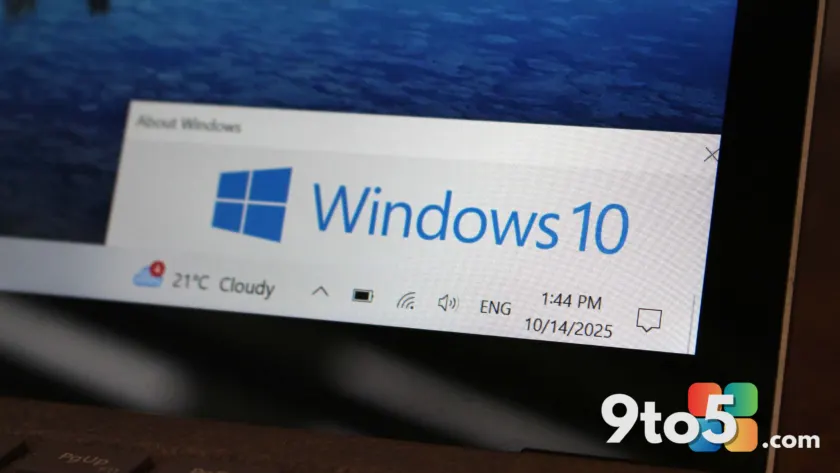
Microsoft has officially extended its Extended Security Updates (ESU) program for Windows 10, pushing the deadline for free security patches to October 14, 2027. This decision comes after the operating system’s original end-of-support date of October 14, 2025. While the move provides a necessary safety net for millions of PCs, it also highlights a persistent issue: Windows 11 has yet to win over the majority of users.
The ESU lifeline and the upgrade hesitation
Initially, Microsoft planned to offer only one additional year of updates under its ESU program. The new extension grants users an extra two years of coverage beyond the original cutoff. For those enrolled in the free tier via a Microsoft account, this means continued protection against critical vulnerabilities without immediate financial pressure.
However, critics argue that this extension acts as a “snooze button” rather than a solution. Groups like The Restart Project, which developed the “End of 10” toolkit to help users bypass Windows 11 hardware restrictions, view the move as a band-aid on a deeper problem. They contend that forcing upgrades on up to 400 million older PCs contributes to programmed obsolescence, particularly when many devices simply cannot meet Windows 11’s stringent TPM 2.0 and CPU requirements.
Why users are sticking with Windows 10
A recent poll conducted among Windows Central readers reveals a clear preference for staying put. Of the 321 respondents, 68% indicated they plan to continue running Windows 10 following the support extension. Only 19% reported having already upgraded to Windows 11. While this sample size is small, it reflects broader sentiments echoed across tech communities.
Several factors contribute to this reluctance. First, Microsoft’s hardware requirements for Windows 11 exclude many capable machines, forcing users to buy new PCs they cannot afford. Second, design changes in Windows 11, including the centered Start menu and aggressive integration of AI features like Copilot, have drawn criticism from users who prefer the simplicity and familiarity of Windows 10.
Additionally, the current economic climate plays a significant role. Rising hardware prices, driven partly by increased demand for RAM and processing power needed for AI workloads, make upgrading less feasible for average consumers. Many users note that their existing Windows 10 machines still perform well for daily tasks, making the cost-benefit analysis of an upgrade unfavorable.
What this means for you
If you are still running Windows 10, you now have until October 2027 to plan your next move. You can enroll in the free ESU program by signing in with a Microsoft account, ensuring your system remains secure against emerging threats. Alternatively, if you prefer not to use the free tier, access is available for $30 or 1,000 Microsoft Reward Points.
For those considering an upgrade, it may be worth waiting. The extended support window gives you time to save for a new PC that meets Windows 11 requirements without rushing into a purchase. Meanwhile, some users are exploring alternative operating systems like Linux, which has improved significantly in usability for non-gamers and general productivity tasks.
Microsoft’s decision underscores the challenge of transitioning a massive user base to a new platform. While Windows 11 offers modern security features and a refreshed interface, the barriers to entry remain high. As long as hardware costs stay elevated and design preferences vary, Windows 10 will likely maintain a significant presence on desktops for years to come.
Source: Windows Central
Over to you: Will you take advantage of the free ESU extension for Windows 10, or are you planning to upgrade to Windows 11 soon?
You may also like
 Microsoft confirms WSL 3 isn’t real, but WSL Containers are arriving next week
 Windows 11 File Explorer gets real speed boost in June optional update (KB5095093)Windows 11 Low Latency Profile expands to more PCs, boosting Start menu speedWindows 11 taskbar gets two new size options, surpassing Windows 10 flexibility