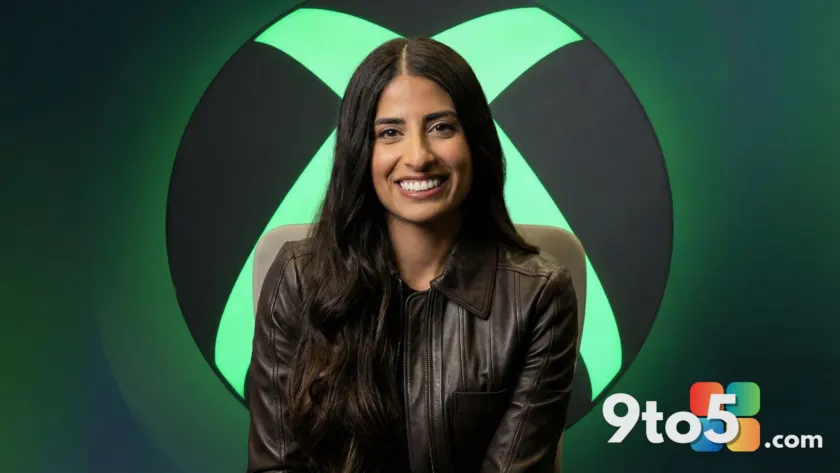
Xbox CEO Asha Sharma recently told Entertainment Weekly that “gaming is unaffordable in many cases.” While the interview focused heavily on multimedia projects like the upcoming Fallout TV series, Netflix’s Gears of War, and a new Sea of Thieves movie, Sharma’s comment on pricing struck a nerve. We asked our readers if they agreed, and the response was overwhelming.
The community speaks: Gaming costs are out of control
In an ongoing poll attached to our coverage of Sharma’s comments, 228 readers have voted so far. The results show a clear consensus on the state of the industry:
- 66% (151 voters) believe the cost of gaming is getting out of control.
- 28% (63 voters) see it as a growing problem but note that affordable options still exist.
- The remaining minority feel gaming prices are not unreasonable.
The vast majority of our community feels that gaming has become partially or completely unaffordable. This sentiment aligns with broader trends in the tech industry, where rising development costs and hardware shortages are squeezing consumers.
Hardware hikes and $80 games
The frustration isn’t just theoretical. Between the ongoing RAM and storage crisis—largely driven by the tech industry’s pivot to artificial intelligence—and rising game prices, the barrier to entry is higher than ever. For context, Grand Theft Auto VI has been confirmed at $80 for the standard edition, with an Ultimate Edition hitting $99.99.
Hardware costs are also climbing. Valve’s new Steam Machine starts at over $1,000 regardless of configuration. Meanwhile, the popular Steam Deck handheld saw a significant price hike last month, making portable PC gaming less accessible for budget-conscious players.
The “call is coming from inside the house”
Sharma noted that memory shortages aren’t the only issue, citing the “attention economy” and competing subscriptions in film and TV as factors. She described navigating these hardware constraints as Xbox’s next big “challenge and opportunity.” However, readers on our subreddit were quick to point out a major irony: Microsoft is one of the primary drivers of the AI boom causing these shortages.
Comments from our community highlighted this contradiction:
- “Wonder who’s fault that is? 🤔”
- “The call is coming from inside the house.”
- “‘Gaming is becoming unaffordable’ says CEO of a company making gaming unaffordable.”
- “Yeah. Maybe she should talk to her boss about that.”
Many readers argue that Microsoft’s massive investments in AI, including its partnership with OpenAI, have contributed significantly to the component shortages affecting the broader tech and gaming industries. As one reader put it, Microsoft is “stepping on a rake” by sabotaging the very ecosystem it relies on, even as its own AI products struggle to find stable profitability.
What this means for you
If you’ve noticed your new PC costing more or your favorite games jumping in price, you aren’t imagining things. The industry-wide shift toward AI infrastructure is having real-world consequences for consumer hardware availability and pricing. While Xbox leadership acknowledges the affordability crisis, many fans believe Microsoft needs to look inward before pointing fingers at external market forces.
Source: Windows Central
Over to you: Do you blame Microsoft for contributing to hardware shortages through its AI investments, or is this just a broader industry trend?