NVIDIA CEO Jensen Huang recently made a statement that has sent ripples through the tech community: “Moore’s law is dead. It’s completely over.” This declaration isn’t just a philosophical musing; it reflects the harsh economic reality facing PC builders and gamers alike. The era of doubling computing power without a severe cost impact is over, replaced by a market driven by artificial intelligence demands and manufacturing constraints.
For years, Moore’s Law, named after Intel co-founder Gordon Moore, promised that transistor counts would double roughly every two years, delivering more performance at the same or lower cost. While this held true for decades, the physical limits of semiconductor manufacturing and the insatiable appetite of AI workloads have shattered this promise. Today, GPUs that should be affordable are priced like luxury items, and the dream of building a high-performance PC on a budget is fading.
The AI Factor: A New Economic Reality
The primary driver behind this shift is the explosive growth of generative AI. As more businesses and individuals adopt AI models, the demand for high-performance GPUs has skyrocketed. NVIDIA’s data center and AI divisions now generate the bulk of its revenue, dwarfing its consumer GPU business. This economic reality means NVIDIA has little incentive to prioritize affordable consumer cards when it can sell the same chips at a premium to AI companies.
This dynamic is evident in the recent price spikes for the GeForce RTX 50-series. According to Tom’s Hardware, prices for these cards have surged by up to 39% above MSRP. The RTX 5070, for instance, has seen a 36% price hike. These aren’t just minor fluctuations; they represent a fundamental change in how GPUs are priced and distributed. The market is no longer driven by consumer demand alone but by the economic forces of AI infrastructure.
Manufacturing Limits: The End of Cheap Transistors
Beyond AI, the physical limits of semiconductor manufacturing play a crucial role. As transistors shrink to microscopic sizes, the cost of producing them increases exponentially. The advanced process nodes required for next-generation GPUs are incredibly expensive to develop and manufacture. These costs are passed down to consumers, making it difficult for manufacturers to offer affordable options.
NVIDIA’s Huang acknowledged this in his 2022 statement: “The idea that a chip is going to go down in cost over time, unfortunately, is a story of the past.” This isn’t just about AI; it’s about the fundamental economics of chip production. As we approach the physical limits of silicon, the cost of innovation continues to rise, and consumers are left to absorb these costs.
Competition: A Glimmer of Hope?
Despite the bleak outlook, there are signs of competition that could shake up the market. Intel’s Arc graphics, particularly the first-generation “Alchemist” A750, have shown promise in delivering competitive performance at lower price points. Intel’s XeSS upscaling technology also offers an alternative to NVIDIA’s DLSS, providing gamers with more options.
However, Intel’s CEO, Lip-Bu Tan, has hinted at a return to the memory business, which could divert resources away from desktop graphics. This mirrors NVIDIA’s own strategy, where consumer GPUs are a small fraction of its overall business. While competition is essential, it may not be enough to counteract the broader economic trends driving GPU prices up.
What This Means for You
For PC builders and gamers, the implications are clear: expect higher prices and fewer affordable options. The dream of building a high-performance PC for under $1,500 is becoming increasingly unrealistic. Instead, you may need to consider alternatives like high-end gaming handhelds or settle for entry-level GPUs that require compromises in performance.
Additionally, the dominance of AI in the GPU market means that supply constraints could persist. Even if you’re willing to pay premium prices, availability may be limited as manufacturers prioritize AI customers. This could lead to a secondary market where GPUs are scalped at even higher prices, further pricing out average consumers.
How to Navigate the New Reality
Given these challenges, here are some practical steps you can take:
- Consider Alternatives: Explore gaming handhelds or pre-built systems that may offer better value.
- Wait for Sales: Keep an eye on major sales events like Black Friday or CES for potential discounts.
- Support Competition: Consider Intel Arc or AMD Radeon GPUs to encourage market competition.
- Adjust Expectations: Accept that building a high-performance PC will cost more in the future.
The declaration that “Moore’s law is dead” is more than just a quote; it’s a reflection of a changing tech landscape. As AI continues to reshape the industry, consumers must adapt to a new reality where affordability is a luxury. The question is no longer whether GPU prices will recover, but how we can navigate a market that prioritizes AI over everyday users.
The Road Ahead: Innovation vs. Affordability
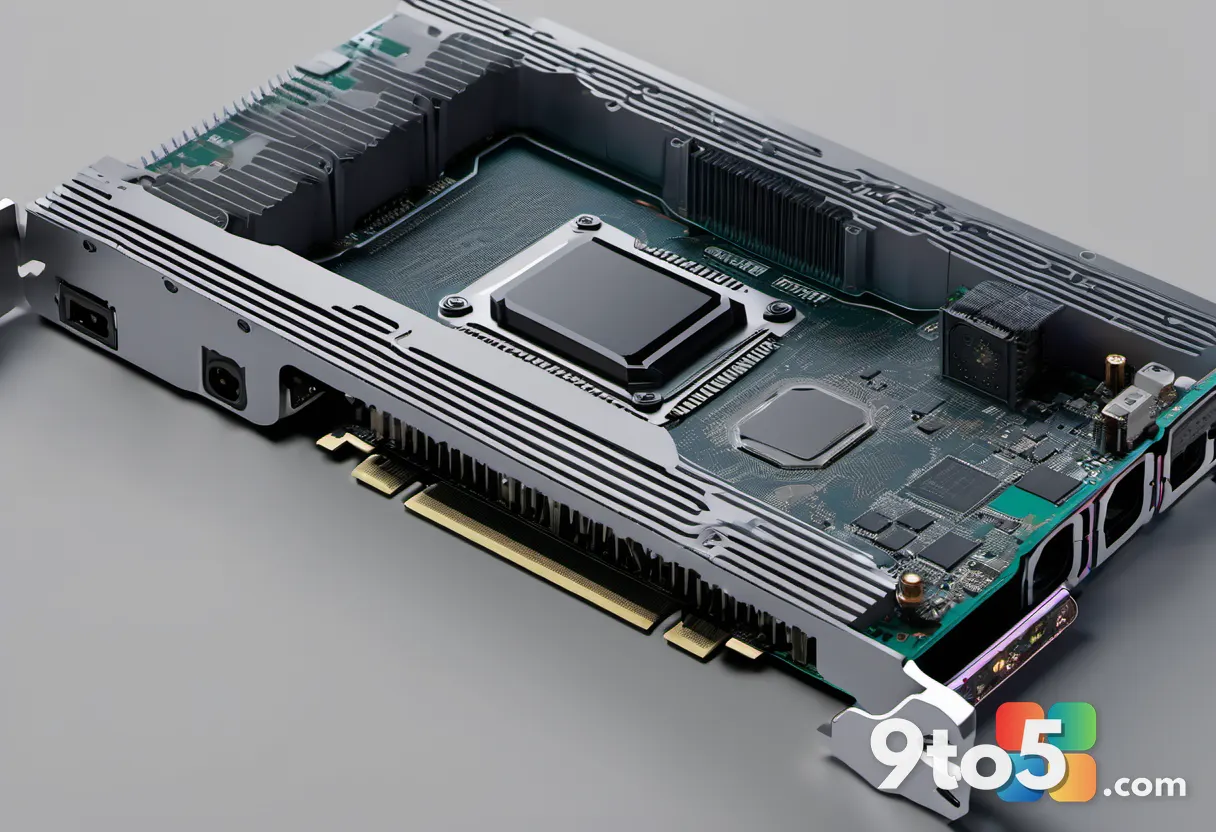
Looking forward, the tension between innovation and affordability will define the GPU market. While manufacturers continue to push the boundaries of performance, the economic incentives to offer affordable options are diminishing. This could lead to a future where high-performance computing is reserved for enterprises and AI developers, leaving consumers to make do with less.
However, history has shown that technology often finds a way to become more accessible. As manufacturing techniques improve and new materials emerge, there may be a breakthrough that changes the economics of chip production. Until then, the phrase “Moore’s law is dead” serves as a cautionary tale about the limits of technological progress and the importance of balancing innovation with accessibility.
Community Perspectives: Voices from the Market
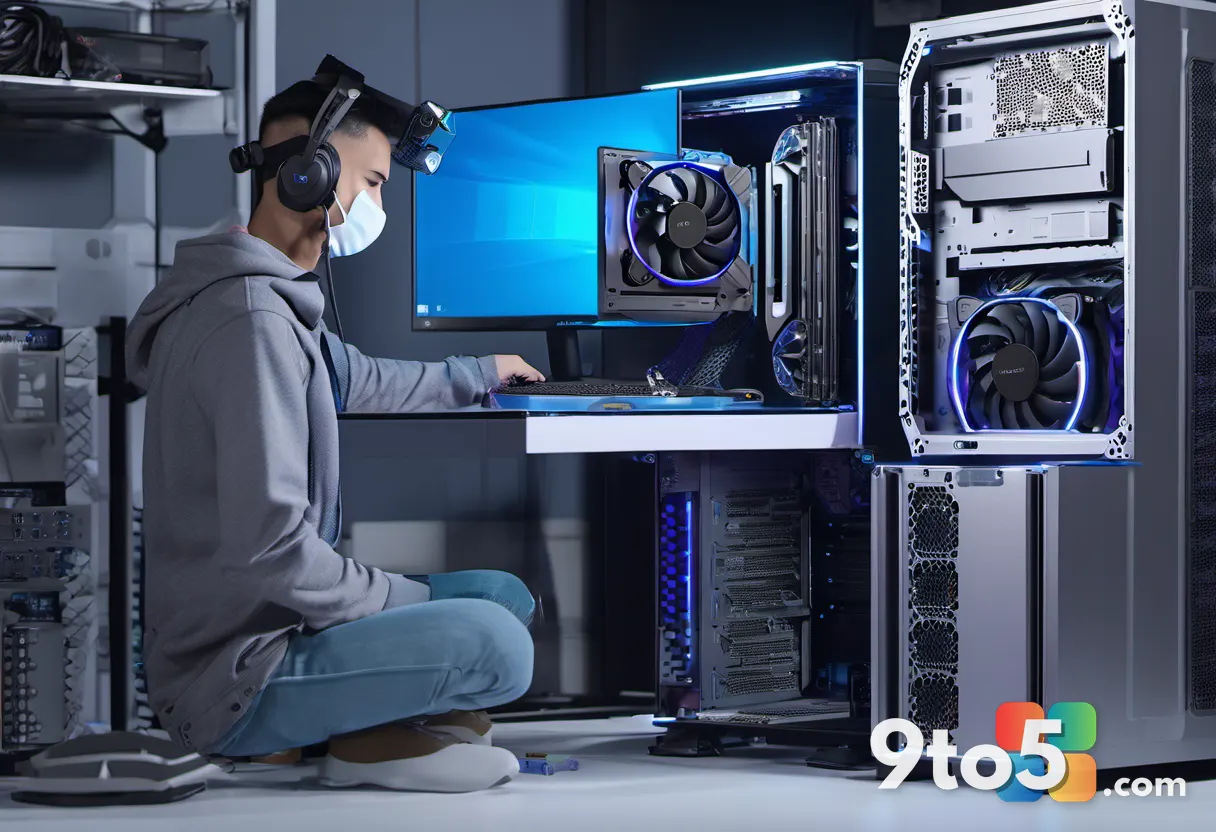
The tech community has been vocal about these changes. Many PC builders express frustration at the rising costs, with some turning to used markets or older generations of GPUs to stay within budget. Others are exploring alternative computing solutions, such as cloud gaming or integrated graphics, to mitigate the impact of high GPU prices.
Discussions on forums and social media highlight a growing sentiment that the industry needs to prioritize consumer accessibility. While AI will continue to drive innovation, there is a call for manufacturers to find ways to make high-performance computing available to a broader audience. This debate will likely shape the future of the GPU market, as companies weigh the benefits of AI-driven revenue against the demands of everyday users.
Conclusion: Embracing a New Era
In conclusion, the declaration that “Moore’s law is dead” marks the end of an era defined by affordable computing progress. As AI and manufacturing constraints reshape the GPU market, consumers must adapt to a new reality where high-performance hardware comes at a premium. While competition and innovation may offer some relief, the fundamental economics of the industry suggest that affordable GPUs are a thing of the past. The challenge now is to navigate this new landscape, making the most of the options available while advocating for a future where technology remains accessible to all.
Source: Latest from Windows Central
Over to you: With GPU prices soaring, are you considering alternatives like gaming handhelds or sticking with traditional PC builds?