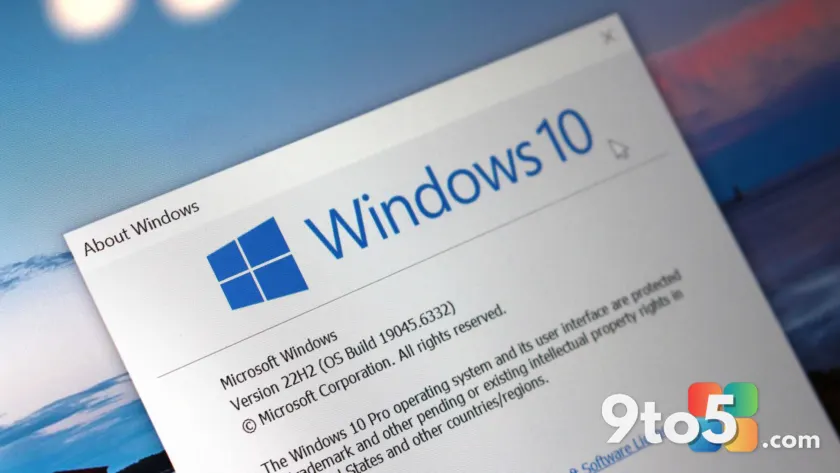
Microsoft has officially extended its Extended Security Updates (ESU) program for Windows 10, keeping the operating system secure through October 14, 2027. Crucially, this extension is free for users who sign in with a Microsoft account, offering a significant reprieve for those unable or unwilling to upgrade to Windows 11.
This decision comes after Microsoft initially ended mainstream support on October 14, 2025. The move risks leaving nearly 400 million PCs vulnerable without patches, effectively rendering them obsolete overnight. However, the company has now doubled back, ensuring critical security patches remain available for two more years beyond the original cutoff.
The community reaction: A snooze button or an admission?
While many users are relieved, the tech community remains skeptical about Microsoft’s motives. Groups like The Restart Project, which helped develop the “End of 10” toolkit for users stuck on older hardware, describe the extension as a “last-minute snooze button.” They argue it acts merely as a band-aid on a bleeding system rather than a sustainable solution.
Critics are even sharper in their assessment. Some online commentators have framed the extension as an outright admission that Windows 11 is not yet good enough to justify forcing users off Windows 10 five years after its release. The sentiment suggests that Microsoft is acknowledging the friction caused by strict hardware requirements and design changes.

Hardware costs and Linux alternatives
The reluctance to upgrade is driven largely by economics. Soaring RAM prices have driven up the cost of new PCs, making the transition to Windows 11—which demands more modern hardware—difficult for average consumers. This financial barrier has fueled a growing movement toward open-source alternatives.
Campaigns like “End of 10” are actively encouraging users to switch to Linux on outdated devices. These groups highlight the lack of ads and telemetry tracking in Linux distributions as key selling points. One Windows Central reader warned that if hardware costs do not drop in the coming year, many users may permanently leave the Windows ecosystem.
What this means for you
If you are still running Windows 10, you now have a clear path to stay secure until late 2027. You can enroll in the ESU program for free by signing in with a Microsoft account. Alternatively, if you prefer not to use an account, access is available via 1,000 Microsoft reward points or a $30 fee.
However, do not view this as a permanent fix. The extension is a temporary measure. With HP and Dell reporting that up to 50% of PCs still ran Windows 10 as recently as September 2025, the pressure to upgrade remains high. Microsoft’s latest move buys time, but it does not resolve the underlying hardware incompatibility issues for many older machines.
As Windows 11 slowly gains momentum and has recently surpassed Windows 10 in global market share, this extension may impact adoption rates. For now, you can keep your current setup running safely, but plan accordingly for the eventual end of support in 2027.
Source: Windows Central
Over to you: Will you take advantage of the free ESU extension through 2027, or does this push you to finally upgrade to Windows 11?