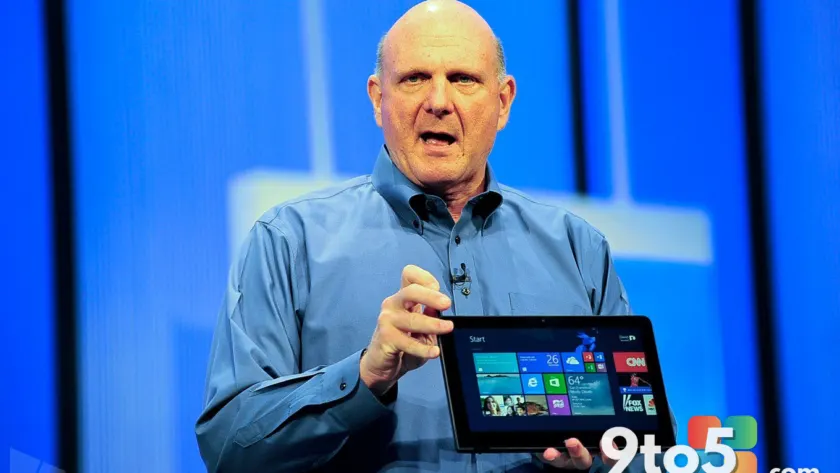
In 2001, former Microsoft CEO Steve Ballmer famously described Linux as a “malignant cancer” that attached itself to intellectual property. At the time, he viewed open-source software as a threat and referred to its users dismissively. That stance shifted significantly in 2016 when Microsoft ported SQL Server to Linux, with Ballmer later admitting that fighting open-source had inadvertently generated significant revenue for the company.
Today, the irony is palpable. As Microsoft ends support for Windows 10 and pushes users toward Windows 11, many are finding themselves unable or unwilling to upgrade. Instead of buying new hardware, a growing number of users are looking at Linux—the very technology Ballmer once condemned—as a practical solution.
The hardware barrier
Windows 11 has strict system requirements that many older PCs simply cannot meet. This includes specific TPM 2.0 and processor mandates that effectively render millions of perfectly functional computers obsolete in Microsoft’s eyes. Critics have labeled this approach as programmed obsolescence, forcing users to retire hardware that still works well for daily tasks.
While Microsoft extended Windows 10 support through its Extended Security Updates (ESU) program, initially until October 2026 and more recently extended further into 2027, this is viewed by many as a temporary band-aid. The long-term trajectory remains clear: users must eventually move on or risk running unsupported software.
The RAM crisis factor
Beyond compatibility, cost is a major deterrent. The global market for RAM and NAND storage has seen significant price increases, largely driven by the insatiable demand for AI computing power. For average consumers, this means upgrading to a new PC that meets Windows 11 standards is becoming prohibitively expensive.
This economic pressure makes lightweight operating systems like Linux an attractive alternative. Linux distributions can run smoothly on older hardware with less RAM and processing power than Windows 11 requires, extending the life of existing devices without breaking the bank.
Shifting user sentiment
Data suggests a significant portion of users are resisting the upgrade. A recent HP survey found that 3 out of 10 HP PCs are still running Windows 10, down from estimates of up to 50% earlier in 2025. In a poll of Windows Central readers, 68% stated they intend to stick with Windows 10 through 2027.
Groups like “End of 10” are actively encouraging this shift, promoting Linux as a cleaner alternative free from the ads and telemetry tracking increasingly present in modern Windows versions. One reader noted that while Linux may not suit gamers or those reliant on specific proprietary apps, it handles everyday tasks effectively for most users.
Microsoft’s embrace of open-source tools like Visual Studio Code and Azure Linux 4.0 shows the company has adapted its strategy. However, for the average consumer stuck with an older PC, that adaptation hasn’t translated into a seamless upgrade path to Windows 11. Instead, it has opened the door to alternatives that keep their current hardware relevant.
Source: Windows Central
Over to you: Are you planning to upgrade to Windows 11, or will you extend your current PC’s life with Linux?