The Windows 7 Remastered Concept Takes Shape
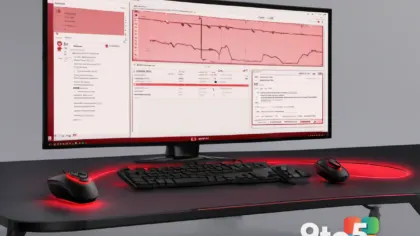
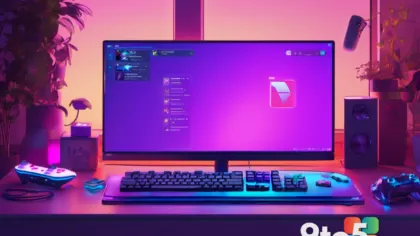
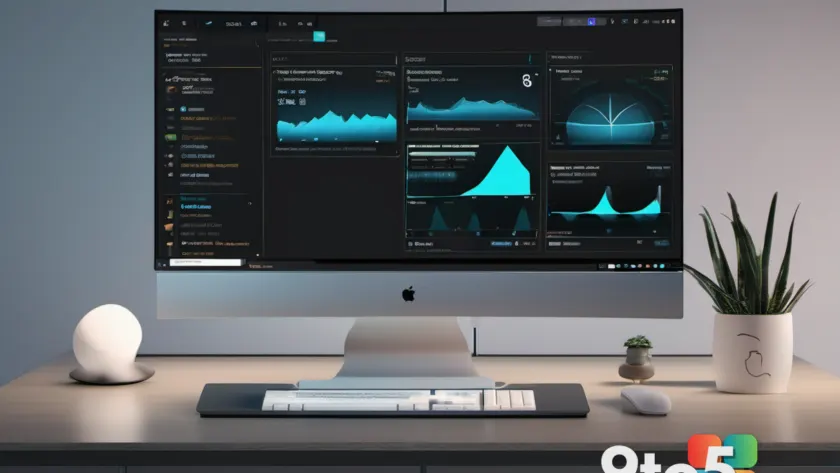
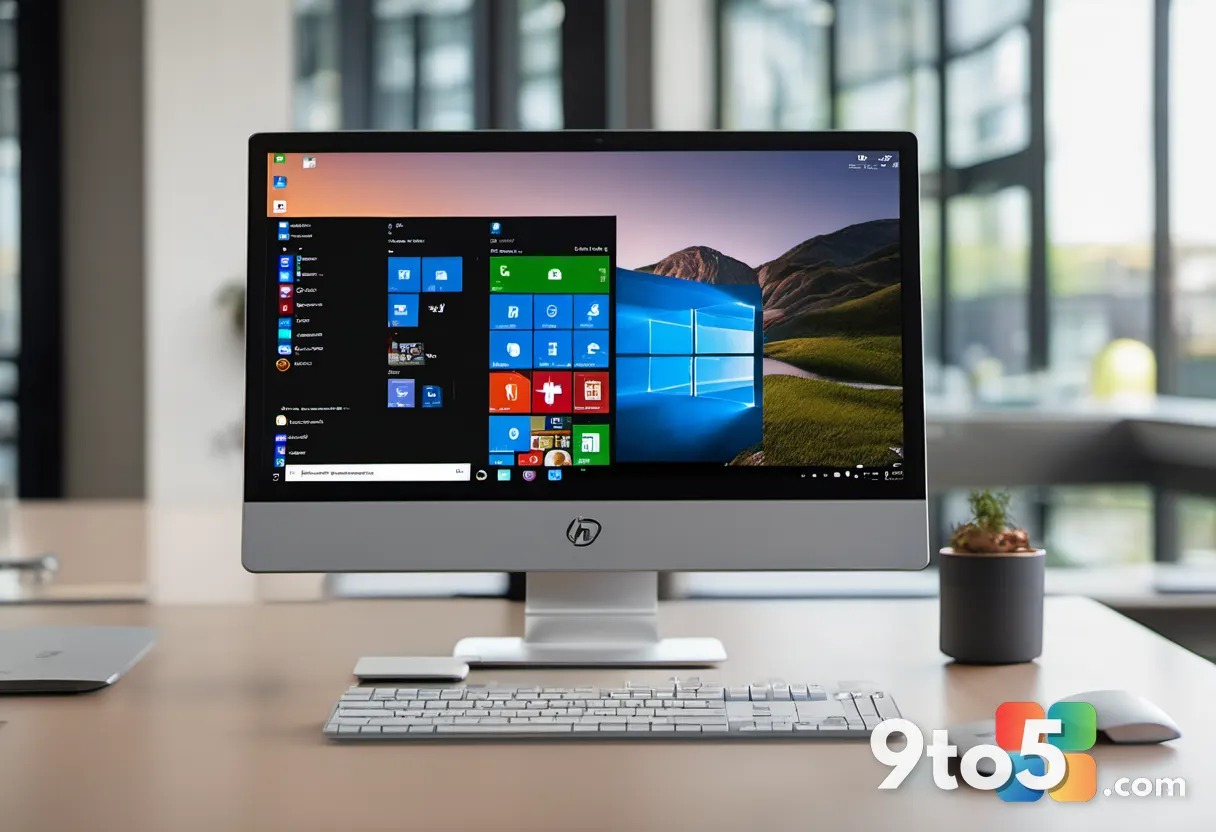
A new fan-made visualization is turning heads in the tech community by reimagining one of Microsoft’s most enduring operating systems. The Windows 7 Remastered concept takes the familiar shell of the 2009 classic and applies a contemporary design language, proving that the underlying architecture of a beloved OS can be refreshed without losing its soul. For longtime users who have watched Windows 10 and Windows 11 evolve, this project offers a fascinating glimpse into what might have been if Microsoft had continued refining that specific interface philosophy.
The concept stands out because it does not simply apply a modern icon pack over the old code. Instead, it addresses the fundamental visual hierarchy, spacing, and interaction models that defined the original release. By updating typography, adjusting window border thickness, and refining the taskbar dynamics, the project bridges the gap between legacy aesthetics and current display standards. This approach highlights how design trends have shifted over the past decade while acknowledging why the original layout resonated so deeply with users.
Modern Design Meets Classic Nostalgia
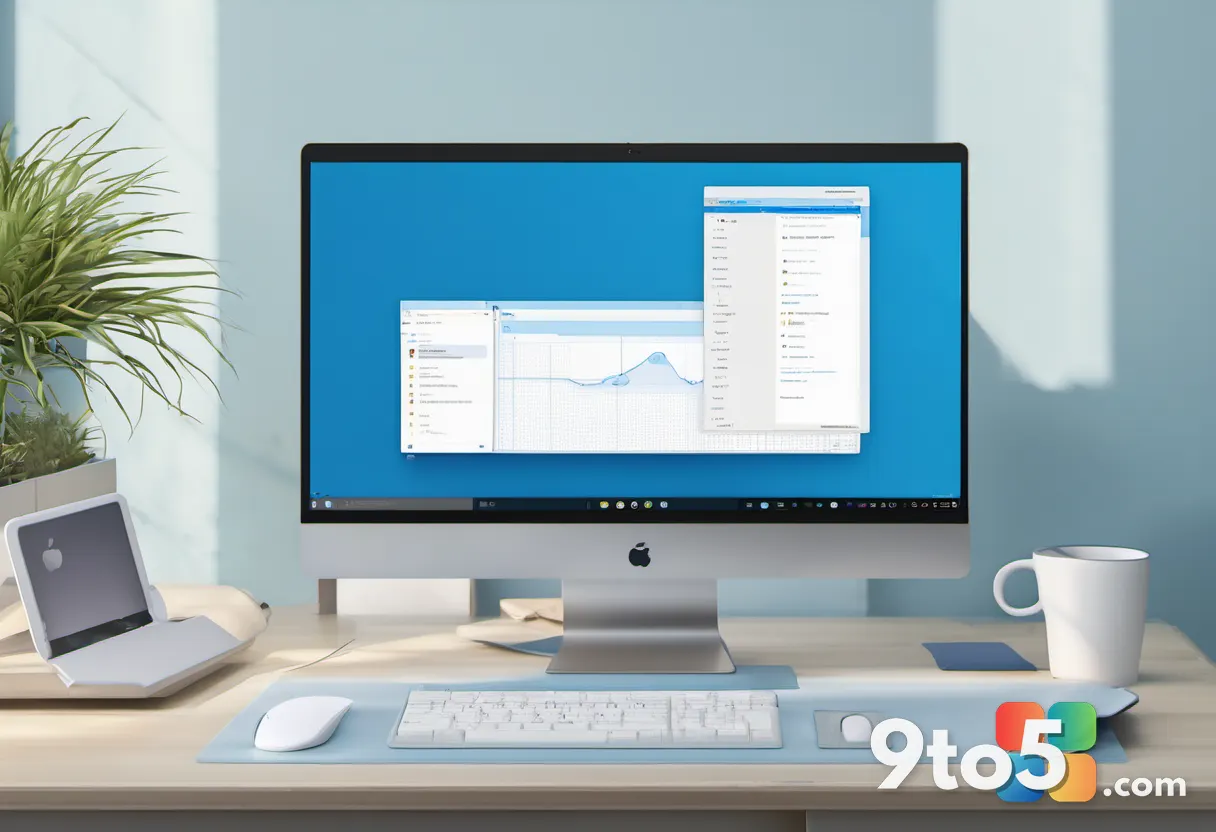
At the heart of the Windows 7 Remastered concept is a careful balance between innovation and preservation. The creator has integrated subtle nods to modern Microsoft design principles, such as rounded corners and softer color palettes, without abandoning the distinct visual identity that made the original OS recognizable. The result is a system that feels familiar at a glance but functions with the clarity expected on high-resolution displays today.
Nostalgic twists are woven throughout the interface. Elements like the classic Aero Glass transparency effects have been reinterpreted to work with current rendering techniques, offering depth and elegance without the performance overhead that originally defined them. Taskbar previews, start menu layouts, and notification centers have been streamlined to feel intuitive for modern workflows while retaining the structural logic that power users appreciated. These adjustments demonstrate that the original design system had a solid foundation that could adapt to new hardware constraints.
Fresh Ideas for a Beloved Interface
Beyond visual updates, the concept introduces fresh ideas that address long-standing user feedback. The creator has reimagined certain system utilities to operate with greater efficiency, reducing the number of clicks required to access common settings. File management interactions have been smoothed out, and contextual menus now reflect current usability standards while keeping the logical grouping that Windows 7 users relied upon.
The project also explores how legacy input methods and touch gestures could coexist with the traditional mouse-driven interface. By incorporating subtle haptic feedback cues and larger touch targets in compatible areas, the concept prepares the operating system for hybrid input scenarios. This forward-thinking approach suggests that the original design philosophy was not tied to a specific era of hardware but could evolve alongside changing user expectations.
Why Windows 7 Still Captivates Users
The enduring popularity of Windows 7 is well documented, and this concept taps directly into that cultural moment. For many professionals, the OS represents a peak in Microsoft’s desktop design, offering a polished experience before the shift toward more aggressive cloud integration and telemetry-heavy updates. The decision to remaster it reflects a broader desire among enthusiasts to preserve functional, privacy-respecting computing environments.
Community interest in projects like this often stems from a genuine appreciation for thoughtful software engineering. When a fan-made concept like the Windows 7 Remastered concept gains traction, it signals that there is a sustained demand for operating systems that prioritize user control and visual coherence. It also serves as a reminder of how design choices influence daily productivity and user satisfaction over time.
What This Means for Windows Enthusiasts
While this remains a conceptual visualization rather than a downloadable release, it offers valuable insight into design evolution and user preferences. Enthusiasts who follow OS development trends can study the interface decisions to understand what aspects of legacy systems remain relevant today. The project also highlights the active role that the Windows community plays in shaping expectations for future software.
For those who still run Windows 7 in controlled environments, the concept provides a visual reference for how the system could be adapted to modern displays without compromising stability. It underscores the importance of maintaining familiar workflows while gradually adopting new standards. Whether or not Microsoft ever revisits this specific design direction, projects like this keep the conversation about user experience and design heritage alive in the tech community.
Source: Neowin
Over to you: Which specific Windows 7 feature do you miss the most in today’s operating systems?