For years, the British summer was defined by fleeting sunshine and the occasional need for a light jacket. That definition is shifting rapidly. With temperatures regularly climbing past 38°C (100.4°F), the combination of extreme heat and high humidity is turning standard living spaces into ovens. For PC and console gamers, this isn’t just a comfort issue; it is a fundamental barrier to enjoying hardware that was never designed to operate in these conditions. According to recent reporting from Windows Central, the rising average temperature is directly impacting gaming habits, with many users forced to put their Xbox consoles into extended summer hibernation.
The New Reality of Xbox summer heat
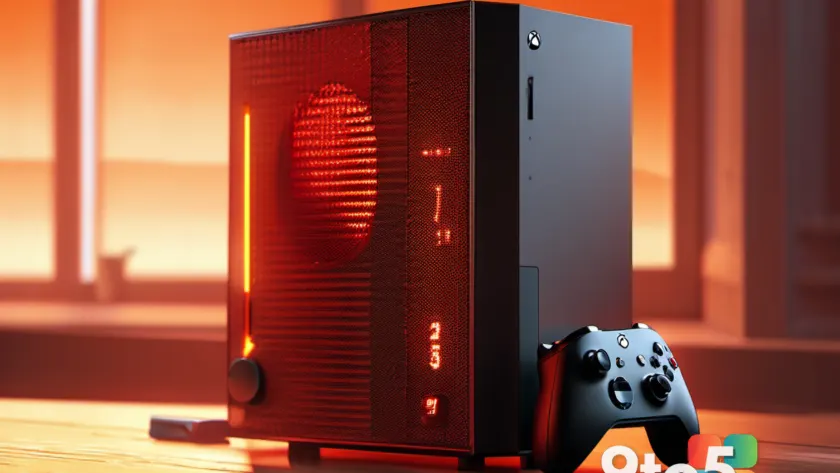
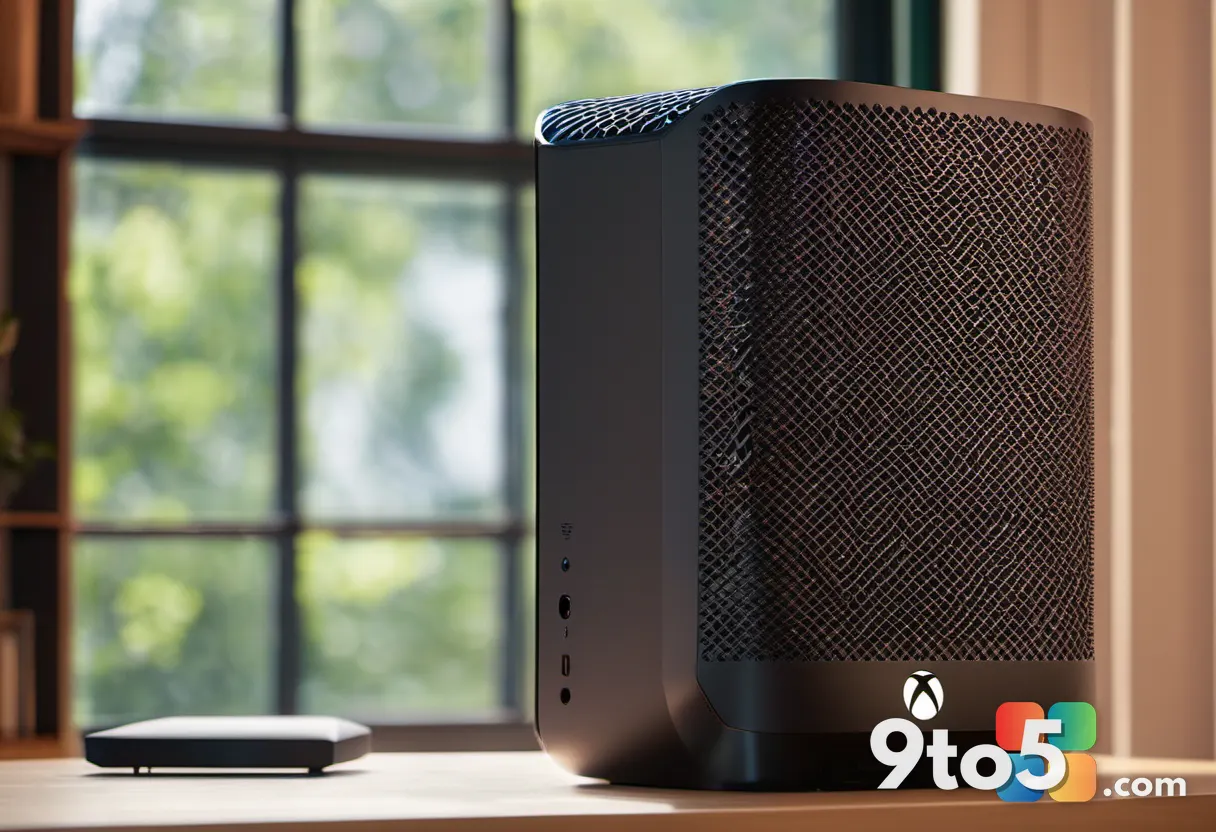
The core issue lies in the physics of power consumption. When an Xbox Series X renders demanding titles, it draws approximately 160 to 200 watts of power from the wall. In a sealed room with poor ventilation, that energy does not disappear; it is converted almost entirely into thermal exhaust. The console acts less like a gaming machine and more like a space heater, actively fighting against any attempt to keep the room cool.
This thermal load is compounded by the reality of older housing stock. Many homes in the UK and similar climates were built to retain warmth during cold winters, not to dissipate heat during unprecedented summer spikes. When you add a high-performance console, a gaming PC, and other electronics to a poorly ventilated room, the ambient temperature rises significantly. The result is a feedback loop where cooling the room requires energy, and using the console generates more heat that must be cooled.
Microsoft has attempted to address power efficiency in recent hardware revisions. The revised Xbox Series X models, including the all-digital white edition, utilize a smaller system-on-chip that draws roughly 10 to 15 watts less from the wall. While this represents a meaningful step toward better power efficiency, the thermal difference in a sweltering room is marginal. The fundamental design philosophy of venting hot air directly into the surrounding environment remains unchanged.
Why Handhelds and Cloud Are the Summer Escape
Faced with the choice of melting into the couch or continuing to play, a growing number of gamers are shifting their primary device. The ASUS ROG Ally X has emerged as a practical alternative. While it generates its own thermal output, the form factor allows for better airflow and the heat is directed away from the user rather than into the room’s ambient air. Gamers can also manually lower the Total Design Power (TDP) and switch to Silent mode, further reducing the thermal load at the cost of peak performance.
Xbox Cloud Gaming offers another pathway. By offloading the rendering process to remote servers, the local hardware requirement drops to near zero. A tablet, phone, or low-power laptop can stream high-fidelity titles without generating significant heat. This shift in workload is particularly effective during peak heatwaves, as it eliminates the primary source of thermal discomfort in the gaming space.
However, this transition is not without its trade-offs. Handhelds require frequent charging and can suffer from thermal throttling if used in direct sunlight or poorly ventilated areas. Cloud gaming, while solving the local heat problem, introduces latency dependencies and requires a robust, stable internet connection to maintain playable frame rates.

The Environmental Irony of Cloud Gaming
Switching to cloud gaming does not eliminate heat; it simply displaces it. The thermal load is moved from the user’s living room to Microsoft’s hyperscale data centers. These facilities require colossal amounts of electricity to power high-density server blades and even more energy to run industrial cooling systems that keep the hardware from overheating.
As climate change drives extreme weather patterns across Europe and North America, the strain on this infrastructure intensifies. Data centers are increasingly reliant on water for evaporative cooling, a process that has drawn scrutiny from environmental groups. Microsoft has acknowledged the challenge, with CEO Satya Nadella recently highlighting the deployment of closed-loop liquid cooling technologies. The company claims these systems can reduce water consumption to levels comparable to a single restaurant per year. While this represents a significant improvement over traditional cooling methods, the sheer electrical demand of running these facilities remains a constant factor.
Every time a gamer streams a title to avoid the local heatwave, they are outsourcing their thermal discomfort to a massive industrial facility. This creates a complex environmental paradox where individual comfort solutions contribute to the broader infrastructure strain that exacerbates climate issues.

What This Means for You: Surviving the Summer Gaming Heatwave
The intersection of climate change and consumer electronics is no longer a theoretical concern. It is a practical reality that affects daily habits. For users in regions experiencing prolonged heatwaves, the standard approach to gaming may need to adapt. This does not mean abandoning console gaming entirely, but rather acknowledging the thermal limits of your environment.
Practical mitigation strategies include improving room ventilation, positioning consoles away from direct sunlight, and utilizing external cooling stands that improve airflow around the intake and exhaust vents. For those willing to compromise on portability, handheld devices and cloud streaming provide viable alternatives during the hottest months. The goal is to maintain the enjoyment of gaming while respecting the physical constraints of the hardware and the environment.
As summers continue to grow hotter, the gaming industry may need to address thermal design and power efficiency with the same urgency it applies to performance benchmarks. Until then, users must navigate the reality that their console is as much a heating element as it is a entertainment device.
The shift toward alternative gaming methods during extreme weather is likely to persist as long as the temperature trends continue. Whether through hardware efficiency improvements, better cooling solutions, or a permanent change in gaming habits, the impact of climate change on consumer electronics is becoming impossible to ignore.
Source: Latest from Windows Central
Over to you: Are you switching to handhelds or cloud gaming to beat the summer heat, or have you found a way to keep your console cool?
You may also like
 Xbox Play Anywhere Support Is Finally Crossing the 50% Mark, But Major Hurdles Remain
 Microsoft Word Opens Twice as Slow on Windows 11 vs MacBooks: What the Lab Tests Reveal
 Windows 11 Search Gets a Smarter Index That Learns Your Favorite Folders
 Microsoft Exec Says He’s ‘Energized’ by Windows 11 Design Updates