Independent lab testing just revealed a stark performance divide between Windows 11 and macOS when it comes to launching Microsoft Word. Two separate, robot-controlled tests conducted by PhoneBuff found that Word opens nearly twice as slow on modern Windows laptops compared to Apple MacBooks. The testing pitted the MacBook Air M5 against Microsoft’s Surface Laptop 13, and the MacBook Neo against Dell’s XPS 13, using identical 500-page documents to ensure a fair comparison.
How the Startup Speed Test Was Conducted
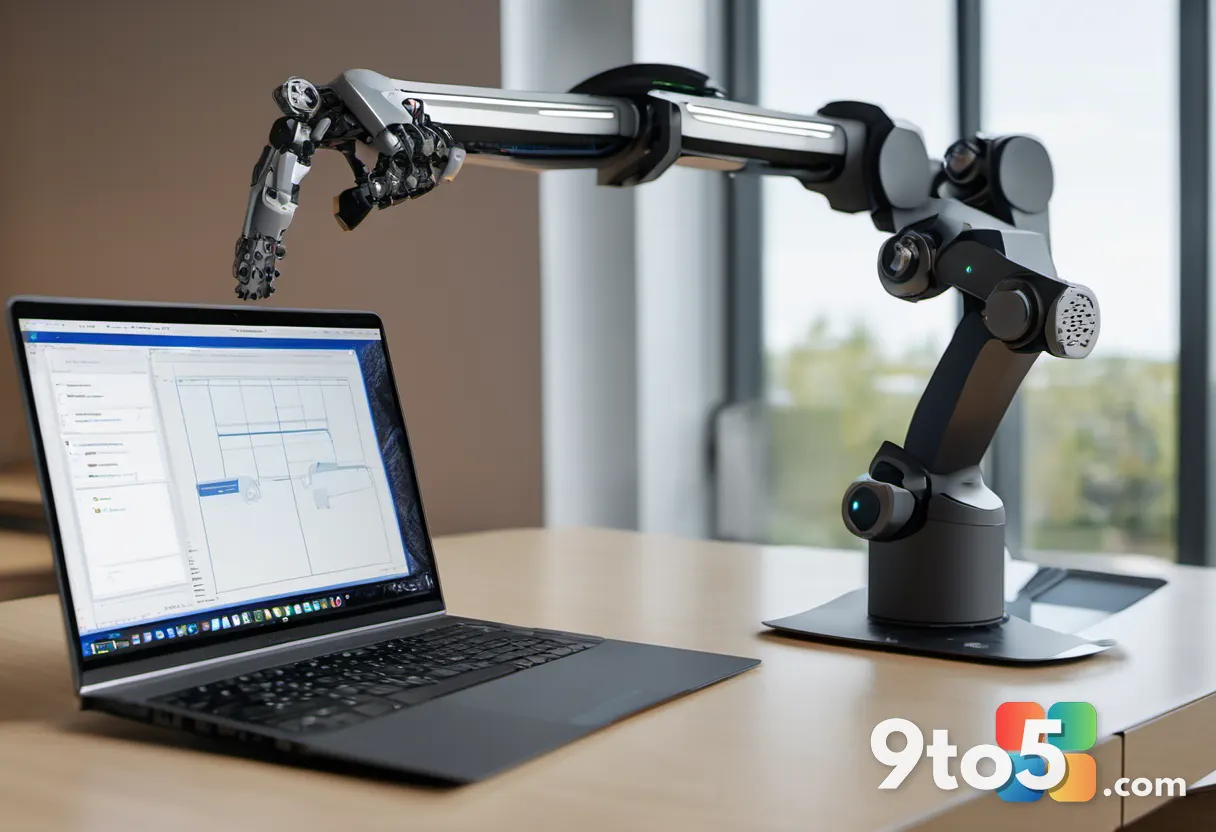
PhoneBuff is widely recognized in the tech community for its highly controlled, mechanical testing rigs that eliminate human error. For this comparison, the team utilized a standardized 500-page Word document loaded with complex formatting, embedded media, and extensive text blocks. This specific file size was chosen because it forces the application to parse numerous elements, load fonts, and initialize background services before the interface becomes fully interactive.
In the first comparison, the MacBook Air M5 completed the launch sequence in exactly seven seconds. The Surface Laptop 13, running Qualcomm’s Snapdragon X2 Plus processor, required twelve seconds to reach the same state. That five-second gap represents a substantial performance deficit for a productivity staple that Microsoft has spent over thirty years refining. The second test paired the MacBook Neo, which surprisingly runs a repurposed A18 Pro chip originally designed for iPhones, against the Dell XPS 13. The Dell configuration featured Intel’s Core 5 320 processor from the new Wildcat Lake family, paired with just 8GB of RAM to match the Neo’s entry-level pricing tier. Once again, the MacBook Neo opened the document in seven seconds, while the Windows machine took twelve.
Why This Gap Matters for Windows 11 Users
The results highlight a fundamental architectural and ecosystem challenge that Windows faces when competing directly with Apple. Microsoft Word’s sluggish startup on these Windows devices is not merely a hardware bottleneck; it points to deeper software inefficiencies within the operating system itself. Apple benefits from a tightly controlled environment where hardware, operating system, and application layers are developed in unison. Microsoft, conversely, must ensure compatibility across a fragmented landscape of OEM partners, legacy drivers, and enterprise deployments that cannot be disrupted overnight.
This is particularly frustrating given Microsoft’s own admissions regarding Windows 11 resource management. The company recently confirmed that the current OS build consumes excessive memory during routine operations and pledged to roll out targeted optimization for systems with 8GB of RAM and above by the end of 2026. Since the Dell XPS 13 that lost this test runs exactly 8GB of RAM, that promised optimization window directly addresses the hardware configuration in question. Until those updates land, users on similarly specced machines will likely continue experiencing these launch delays.
The broader context involves Microsoft’s ongoing push toward WinUI, which replaces legacy WebView2 components with native code to reduce background overhead. WebView2 has long been criticized for introducing unnecessary browser engine bloat into desktop applications, and phasing it out is essential for restoring snappy launch times. However, enterprise customers relying on older Group Policy configurations and WSUS-managed rollouts may find the transition gradual, as breaking changes require extensive testing before deployment.
Battery Life: Where Windows Fights Back
While startup performance took a hit, Windows machines surprised reviewers by dominating in power efficiency during sustained productivity work. PhoneBuff’s battery test cycled through Word and Excel, continuously pasted text, typed input, and streamed music via Spotify for two hours. The Dell XPS 13 dropped only 18 percentage points during this window, compared to a 26-point drain on the MacBook Neo. Per-application metrics showed the Windows laptop using 18% of its battery for the productivity segment versus the Neo’s 26%.
The Surface Laptop versus MacBook Air comparison told a nearly identical story. The Surface Laptop drained just 16% of its battery during the same productivity cycle, beating the Air’s 24% draw. These results indicate that both Qualcomm’s Snapdragon X2 Plus and Intel’s Wildcat Lake silicon have made genuine strides in power efficiency. For users who prioritize all-day battery life during office work, the Windows ecosystem now offers a compelling alternative, even if raw application launch times lag behind.
The efficiency gains are especially notable given that Intel’s Panther Lake architecture, and its derivative Wildcat Lake chips, were designed to close the performance-per-watt gap with ARM-based competitors. Seeing x86 silicon compete directly with Apple on efficiency in lighter workloads marks a significant shift in the laptop market. However, sustained heavy workloads like video export still favor Apple’s silicon, though most users in this productivity tier will rarely push their devices into those territories without a power adapter nearby.
The Value Proposition: Pricing and Hardware Tradeoffs
Beyond raw performance metrics, the testing underscores a growing pricing disconnect between Microsoft’s first-party hardware and Apple’s offerings. The Dell XPS 13 presents a clear value advantage over the MacBook Neo, offering a 120Hz touchscreen display, sharper color accuracy, expandable storage, and superior battery life during standard office tasks. The Word launch delay is an isolated weakness against an otherwise well-rounded machine.
The Surface Laptop 13, however, faces a tougher market position. It trails the MacBook Air in camera quality, microphone array performance, and speaker output, despite Microsoft’s claims of superior imaging hardware. More critically, the Surface Laptop carries a $300 premium over the MacBook Air for the privilege of slower application launches and inferior peripheral hardware. This pricing strategy echoes previous controversies, such as the $1300 Surface Laptop for Business configuration that shipped with only 8GB of RAM, drawing criticism for mismatched value propositions.
The industry-wide memory and chip supply crunch has undoubtedly impacted component costs across the board, but absorbing a portion of those expenses would significantly improve the Surface brand’s competitiveness. Microsoft was also one of the key players that drove the 8GB RAM standard forward, making the current pricing landscape particularly difficult to defend. Until supply chains stabilize, buyers should carefully weigh whether the Surface ecosystem’s integration benefits justify the premium over third-party OEM alternatives.
What This Means for You
If you are currently evaluating a new laptop for productivity work, these test results suggest that hardware specifications alone do not guarantee a smooth software experience. The Windows ecosystem is actively working to close the gap through its 2026 optimization roadmap and the transition to WinUI, which replaces legacy WebView2 components with native code to reduce background overhead. However, until those updates mature, Windows users should expect slightly longer application initialization times compared to macOS counterparts, particularly on systems with 8GB of RAM.
For IT administrators managing fleet deployments, the memory optimization promises are a positive signal. As Microsoft rolls out targeted patches for 8GB and 16GB configurations, enterprise environments will likely see improved responsiveness without requiring hardware refreshes. Monitoring the Windows Insider Program for early optimization builds can provide a preview of what standard channel updates will eventually deliver.
How to Improve Your Word Startup Speed
Users experiencing sluggish Word launches on Windows 11 can take several immediate steps to mitigate the issue. First, ensure your system is running the latest Windows 11 updates, as Microsoft frequently ships performance patches through the standard update channel. Disabling startup programs via Task Manager can free up RAM and CPU cycles during boot. Additionally, clearing the Word template cache and running the built-in Office repair tool through Settings may resolve underlying file corruption that slows initialization.
Looking ahead, the upcoming RTX Spark powered devices, including form factors like the Lenovo Yoga 9n 2-in-1, will introduce new hardware architectures to the Windows laptop market. While faster silicon can mask software bloat to a degree, it cannot indefinitely compensate for an unoptimized operating system. The current testing results serve as a clear mandate: Microsoft must prioritize application launch efficiency alongside hardware innovation to maintain credibility in the productivity space.
Source: Windows Latest
Over to you: Are you sticking with your current Windows laptop, or will these startup speed results push you toward a MacBook?