Long before Microsoft pivoted to dual-screen Android devices, the company was quietly exploring a completely different mobile future. Newly published photographs of a mysterious hardware prototype have surfaced online, offering what may be the first concrete look at a canceled Surface Phone that was being developed in the 2013–2014 era. For years, Windows Phone enthusiasts have debated whether Microsoft ever seriously pursued an in-house handset, and these images finally give us a tangible answer.
The Mysterious Prototype Emerges
According to reports from Windows Central, the device appears to originate from Microsoft’s internal hardware labs during the window just before the company finalized its acquisition of Nokia’s Devices & Services division. While official documentation from that period remains sparse, insiders have reportedly referred to the project by the codename Raven. The prototype is clearly a functional unit rather than a cosmetic mockup, as it boots into an early pre-release build of Windows Phone 8.1.
The software running on the device points to a development timeline rooted in September 2013. At that stage, Microsoft was still refining its mobile operating system ahead of the official Windows Phone 8.1 launch, and this unit appears to have been pulled from an internal branch that eventually fed into the public release. The presence of a functional OS build confirms that Microsoft had moved past the conceptual stage and was actively testing hardware-software integration for what would have been its first branded smartphone.
Hardware and Design Details
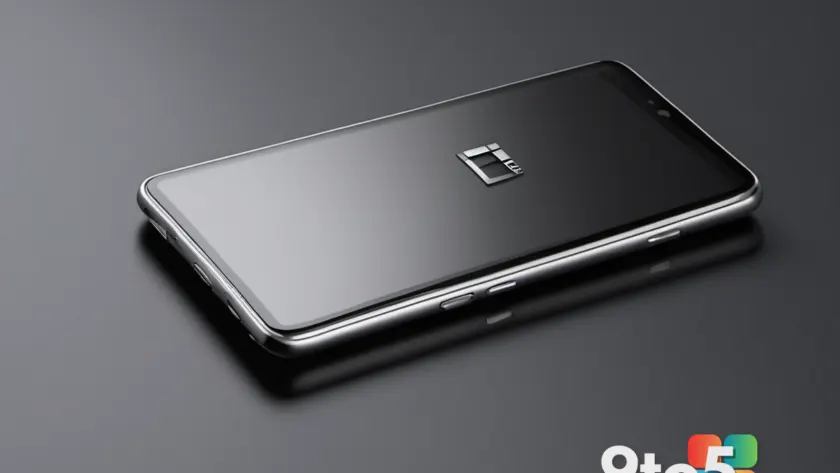
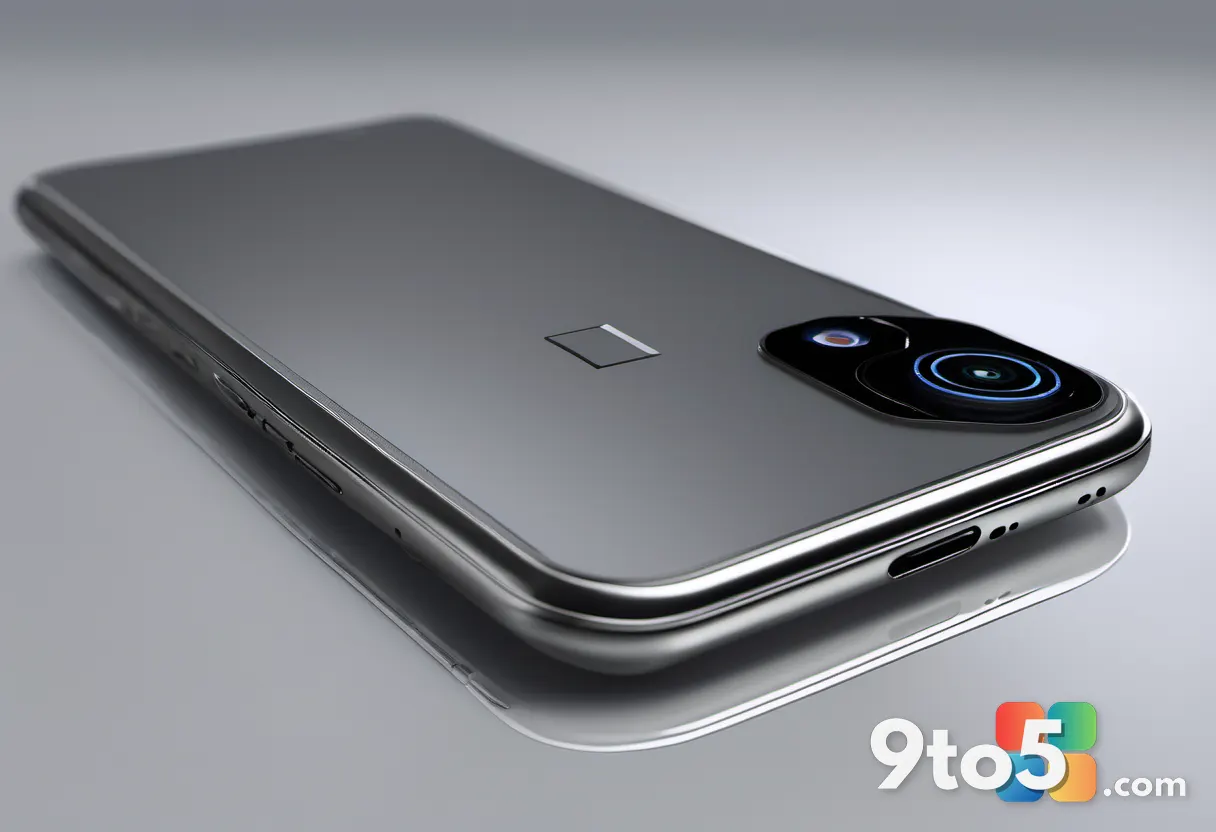
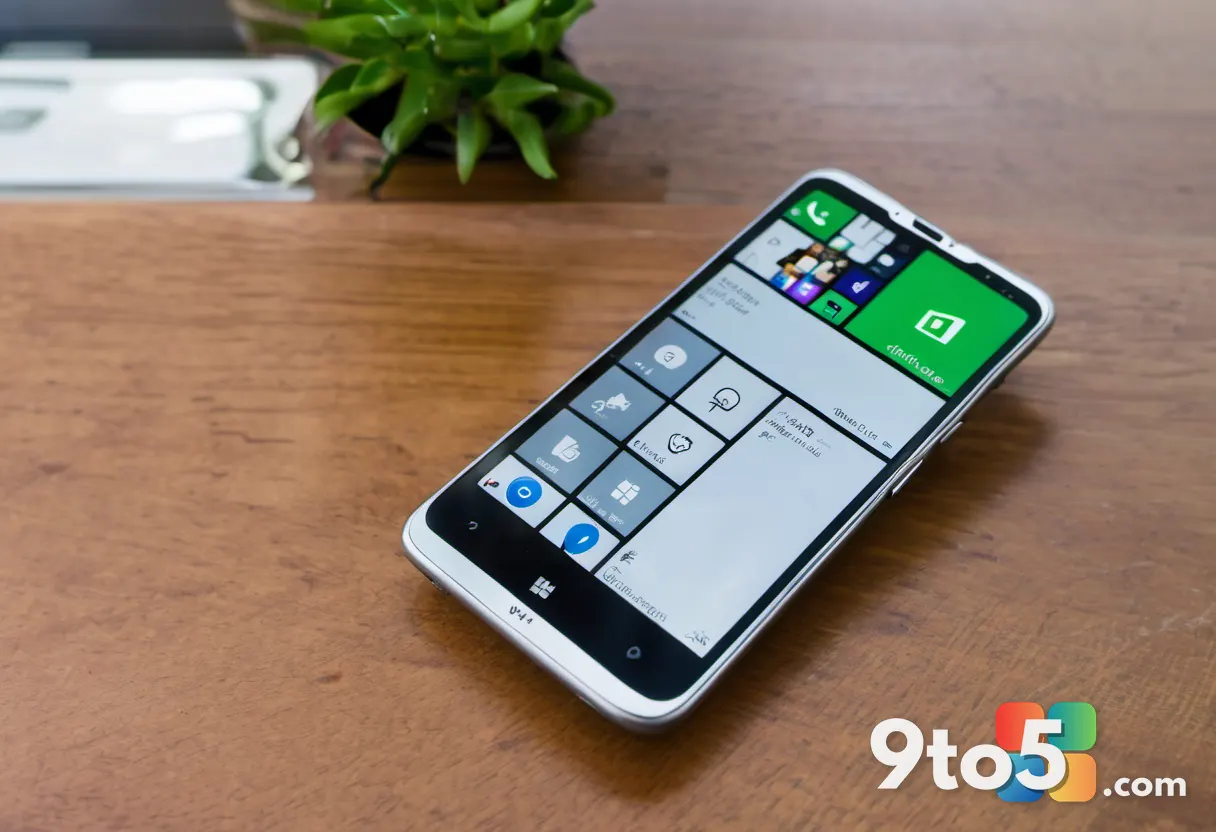
The photographs reveal a device that leans heavily into the industrial design language Microsoft was cultivating for its Surface tablet lineup at the time. The chassis is wrapped in a brushed silver metal frame that closely matches the finish of the Surface 2, which launched in the same year. A minimalist Microsoft logo sits centered on the rear panel, reinforcing the idea that this was meant to carry the Surface brand identity rather than the Lumia name.
Under the hood, the prototype is powered by an unidentified Qualcomm system-on-chip, paired with a 720p display. The input layout is distinctly physical: dedicated navigation keys for Back, Start, and Search are embedded into the front bezel and finished in the same silver tone as the frame. The right side houses individual volume rockers and a dedicated camera shutter button, while the top edge features the power switch. The bottom edge includes a micro-USB port and a 3.5mm headphone jack, and the left side contains a standard SIM card tray.
From a hardware engineering standpoint, the design is remarkably clean. The placement of the buttons and ports follows a logical layout that anticipates right-handed use, and the metal unibody construction suggests Microsoft was aiming for a premium build quality that would compete directly with the Galaxy Note and iPhone lines of the era. It is worth noting that this was likely one of dozens of internal iterations, but it is the first time a complete, bootable unit has been photographed publicly.
What Was Microsoft Trying to Build?
The timing of this prototype lines up with a period of intense experimentation at Microsoft’s Redmond campus. Back in 2013, industry sources reported that the company was exploring the concept of a Skype Phone, a mobile device designed to route calls and messages through Skype rather than traditional carrier voice networks. Given the prototype’s clean, carrier-agnostic hardware layout and its early Windows Phone 8.1 build, it is highly plausible that this unit was part of that broader initiative.
Development on the in-house handset almost certainly stalled once the Nokia acquisition closed in 2014. Microsoft had already committed significant resources to absorbing Nokia’s manufacturing supply chain and patent portfolio, which shifted the company’s mobile strategy from building its own hardware to licensing Nokia’s Lumia designs. The Surface Phone concept was effectively shelved, only to resurface years later in a completely different form as the Surface Duo, which began development in 2016 and launched to the public in 2020.
What This Means for Windows Phone History
For historians of Microsoft’s mobile efforts, this prototype fills a genuine gap in the timeline. Between the launch of Windows Phone 7 and the official end of support for Windows 10 Mobile in December 2017, the company cycled through a mix of partner devices and acquired Lumia models like the 640, 650, 950, and 550. A branded Surface phone would have represented a major strategic pivot, signaling that Microsoft intended to control both the operating system and the hardware experience end-to-end.
The existence of a working 720p prototype with physical navigation keys also highlights how early Microsoft was in its mobile hardware ambitions. The design choices suggest a company that was confident in its ecosystem and willing to invest in premium materials long before the Surface Duo experiment. Unfortunately for Windows Phone fans, the Nokia deal redirected those efforts, and the platform was ultimately abandoned before it could achieve meaningful market traction.
How to View the Prototype Images
The photographs of the prototype have been shared through community channels, including Telegram and Discord groups focused on Windows Central reporting. Enthusiasts looking to examine the hardware details, button placement, and boot screen can follow the original reporting link for the full-resolution gallery. The images are currently being analyzed by hardware historians to extract additional firmware and component details that may further clarify the device’s original purpose.
Source: Latest from Windows Central
Over to you: If Microsoft ever revived the Surface Phone concept today, would you prefer a traditional slab design or another dual-screen form factor?
You may also like
 Firefox 148 Adds a One-Click AI Kill Switch for Privacy-Conscious Users
 Windows Malware Risk Is Six Times Higher Than macOS, New Research Shows
 Razer Travel Case Folio Review: A Kickstand Case for Joro and Magic Keyboards
 Atlus Producer Confirms Interest in Remaking Classic Persona Games for Modern Platforms