Apple’s recent decision to raise prices on its hardware lineup is not an isolated incident. It is the first visible sign of a broader industry shift that analysts are calling the “AI tax.” As demand for high-bandwidth memory (HBM) explodes to support large language models and AI server farms, manufacturers cannot keep up. The result is a supply squeeze that is driving up costs for every device with a processor or storage drive.
Price hikes across the board
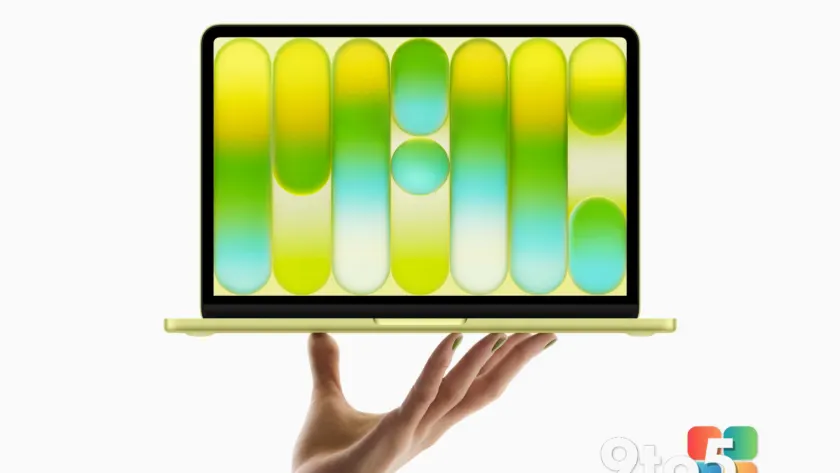
Apple announced price increases of up to 25% on some products, including refurbished Macs and iPads, with jumps as high as $330. While iPhones were spared for now, analysts predict significant increases when new models arrive this fall. IDC Senior Director Nabila Popal notes that previous assumptions of modest $50–$100 hikes may be too conservative. She suggests iPhone Pro models could see increases of $200 or more, signaling the end of era for low-cost smartphones.
This trend is not limited to Apple. Microsoft recently added up to $150 to the cost of Xbox consoles. Lenovo has warned that high memory prices are becoming the “new normal” and may persist until 2030, with prices unlikely to return to early-2025 levels. These increases affect Windows PCs directly, as manufacturers pass on the higher component costs to consumers.
Supply cannot meet demand
Major memory manufacturers like Micron, Samsung, and SK Hynix report that they are struggling to meet demand even for their top customers. Despite generating massive profits, these companies state the situation is beyond their control. SK Hynix plans to accelerate its expansion timeline from 2040 to 2030 to triple output, but this may still fall short of market needs.
Micron CEO Sanjay Mehrotra stated there is currently no clear line of sight on when supply will catch up with demand. Memory prices rose as much as 98% in the first quarter of 2026 and are projected to jump another 58% to 63% in the current quarter, according to TrendForce. This volatility has already impacted Asian stock markets, with technology firms facing sharp sell-offs.
What this means for you
For everyday Windows users, expect higher prices on new laptops, desktops, and accessories in the coming months. The cost of memory is a significant component of PC pricing, and shortages will inevitably lead to sticker shock at retail stores. Even if AI spending slows down later, historical trends suggest consumer tech prices rarely drop back to previous lows quickly.
While hyperscalers and AI firms post record revenues from this infrastructure buildout, consumers bear the brunt of the inflationary pressure. If you are planning to upgrade your PC or buy a new console, doing so sooner rather than later may save you money before further increases take effect.
Source: Computerworld
Over to you: Will you delay your next PC or console purchase hoping for prices to drop, or buy now before they rise further?