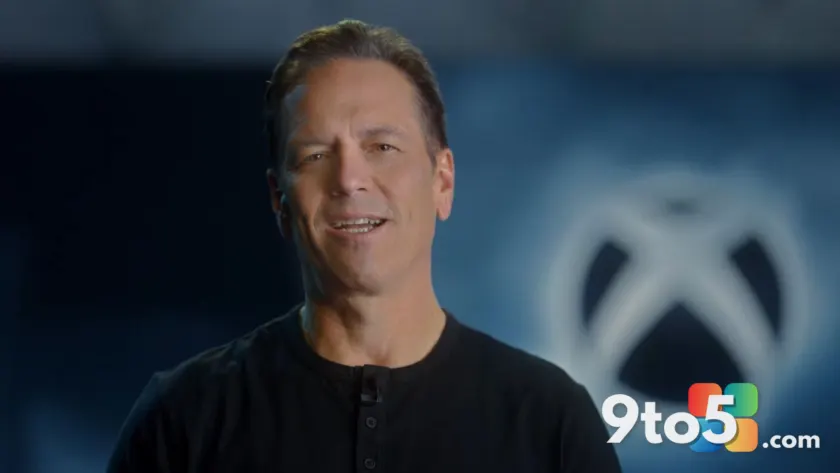
When Phil Spencer first outlined his roadmap for Microsoft Gaming, the directive was clear: build a future where every screen is an Xbox. The memo, leaked in 2024, promised players could run the same ecosystem across phones, tablets, living room displays, and cloud servers. It was a bold statement of platform-agnostic ambition. Two years later, that ambition has collided with market reality. Under new leadership, Microsoft is quietly dismantling the very framework Spencer built, and the shift in the Xbox console strategy is now impossible to ignore.
The Original Vision
Spencer’s 2024 directive emphasized consistency. The stated goal was to empower players to play the games they want, with the people they want, anywhere they want. At the time, the strategy relied on cloud gaming infrastructure and cross-platform licensing to blur the lines between hardware camps. The underlying assumption was that brand loyalty would follow content availability rather than hardware ownership.
Early in Asha Sharma’s tenure as Xbox CEO, the company tested that assumption. Game Pass subscriber targets were set aggressively, with internal projections aiming for 77 million users. The math simply did not hold. With the Xbox console install base hovering around 30 million devices, the gap between subscription goals and actual hardware reach became impossible to ignore. Sharma acknowledged the disconnect directly in an exclusive interview earlier this year, stating she is committed to returning to Xbox, and that it starts with console and hardware. You will hear more about that soon, as she phrased it.
Why the Xbox Console Strategy Backfired
The decision to ship Halo: Campaign Evolved to PlayStation 5 served as a turning point. Industry analysts and journalists immediately flagged the move as a strategic misstep. Jez Corden, a well-known gaming reporter, described the multiplatform push as brand suicide. The criticism was not about player choice. It was about platform identity. When Microsoft removes the boundaries between its own hardware and competing ecosystems, it strips its devices of a core selling point.
The timing of upcoming releases further exposed the flaw. In February 2027, Fable will launch on PlayStation 5, followed the next day by God of War: Laufey. PlayStation owners will gain two major first-party titles in a single weekend. Xbox owners will receive only one. That sequencing highlights a broader issue: when exclusives become shared assets, they stop functioning as hardware incentives. The next Xbox console, which Microsoft has confirmed will be PC-based at its core, now faces the exact problem Spencer’s original memo tried to solve. If the software is already available elsewhere, the hardware upgrade loses its primary justification.
Sony’s PC Retreat Changes the Equation
The strategic landscape shifted again when reports emerged that Sony Interactive Entertainment plans to pull back from PC gaming. According to industry reporting, Sony intends to stop releasing its single-player titles on Windows PCs and Steam. The move appears directly tied to the architecture of the next Xbox console. If Microsoft’s upcoming hardware runs Windows natively, Sony would rather forgo PC sales than let its flagship franchises compete directly on a rival platform.
That corporate maneuvering forces Microsoft into a defensive posture. When a competitor refuses to share its catalog on your primary hardware, keeping that catalog available on competing consoles becomes a liability rather than a growth lever. The multiplatform experiment was never about player convenience alone. It was a bet that content distribution would outweigh hardware differentiation. Sony’s retreat proves the opposite.
What This Means for You
For everyday gamers, the pivot signals a return to traditional platform competition. If you are holding an Xbox Series X or Series S, you should expect Microsoft to reinvest in hardware-exclusive titles and console-optimized features. The subscription model will likely remain, but the pricing and catalog rotation will probably align more closely with the actual console user base rather than theoretical cloud gaming adoption. If you are weighing a purchase between Xbox and PlayStation, the upcoming Fable and God of War releases will once again function as genuine system sellers rather than shared releases.
The broader takeaway is straightforward. Platform-agnostic gaming works best when the hardware ecosystem supports it. Without dedicated devices to drive innovation, the entire model collapses into a generic streaming service. Microsoft’s leadership is now acknowledging that reality, and the next generation of Xbox hardware will be built to prove it.
Source: Latest from Windows Central
Over to you: Are you sticking with your current Xbox, or will the return to exclusives finally push you toward PlayStation?
You may also like
 Microsoft, Apple, and the Shift to Pay Over Time Hardware Financing
 Microsoft Confirms Massive Xbox Booth at Gamescom 2026 With 140 Stations
 Microsoft Fixes Automapped Calendar Bug in New Outlook Switch, Upgrades Shared Calendars to REST
 Double Fine Layoffs Begin as Psychonauts Studio Cuts Ties With Xbox