For years, the phrase “pre-built PC” carried a heavy weight of disdain in enthusiast circles. The assumption was simple: if you are buying a system someone else assembled, you are paying a premium for inferior components, poor cable management, and bloatware. I held that view for a long time. The idea of trusting a factory assembly line with a high-performance gaming machine felt like a compromise I wasn’t willing to make.
That stance is changing. After spending months testing a wave of new systems, the data no longer supports the blanket dismissal of factory-built machines. The market has shifted. The quality ceiling has risen, and in several key areas, the floor has followed. For gamers weighing the decision between building their own system and buying one off the shelf, the gap has narrowed significantly.
The Quality Ceiling Has Risen
The skepticism toward pre-built gaming PCs was never baseless. A few years ago, manufacturers frequently cut corners in ways that were immediately obvious to anyone who opened the side panel. Proprietary motherboards, non-modular power supplies hidden in unreachable corners, and thermal throttling due to cramped cases were the norm. The “just build your own” advice was reasonable because the odds of landing a truly competent factory system were low.
Today, that dynamic has flipped. Major manufacturers have realized that the modern consumer is far more informed. Buyers read reviews, check component lists, and compare prices before purchasing. In response, companies have invested heavily in improving the internal architecture of their systems. The result is a market where factory builds are no longer guaranteed to be inferior to a self-assembled rig.
The turning point for me was the Acer Nitro 65. I went into the review expecting the usual compromises associated with budget-friendly pre-builts. Instead, I found a system with a clean internal layout and regular, upgradeable components. The only notable concession was a non-modular power supply tucked away out of sight, but even that did not detract from the overall value. The Nitro 65 proved that a mass-market system could compete with a custom build on price and performance without sacrificing fundamental quality.
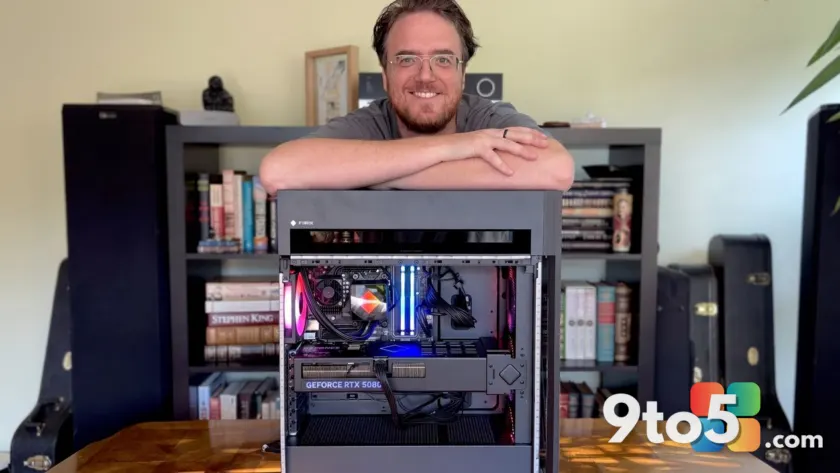
This trend extends to the boutique segment as well. Maingear’s MG-1 MK.II received a perfect five-star rating and an Editor’s Choice award during its review. While the price point is higher, the cost of parts required to replicate that performance in a DIY build is nearly identical when you factor in peripherals and time. Maingear’s approach of hand-assembling systems with obsessive attention to cable management and RGB integration sets a standard that many DIY builders struggle to match.
Models That Actually Compete With DIY
The financial argument for building your own PC has weakened due to broader market conditions. The ongoing RAM and storage crisis has skewed component prices, making the cost savings of a DIY build less predictable. When prices for memory and SSDs fluctuate wildly, the fixed pricing of a pre-built system offers a level of stability that component shopping cannot match.
Several models currently available demonstrate this shift clearly:
- iBuyPower Slate 8 Mesh: This system regularly costs less than $1,500 while delivering a balanced mix of processing power and graphics performance. It represents the sweet spot for gamers who want high-end specs without the markup of boutique builders.
- HP Omen 45L: Currently under testing, this system continues the trend of offering robust cooling and standard components in a compact form factor.
- Steam Machine Comparison: During Amazon’s Prime Day event, I evaluated pre-built systems capable of outperforming Valve’s Steam Machine while costing less. The five PCs selected for this comparison proved that factory systems could dominate in both price and performance metrics.
These examples highlight a crucial reality: the “pre-built tax” is no longer a universal constant. While some manufacturers still charge a premium for branding, others are competing aggressively on value. The decision to buy pre-built is increasingly driven by convenience and warranty support rather than a lack of better options.
Not Every Box Is a Winner
Admitting that pre-built gaming PCs have improved does not mean every system on the market is a viable purchase. The quality has risen, but so has the complexity. Consumers must remain vigilant, as poor execution still exists in specific niches.
The ASUS TUF Gaming T500 serves as a prime example of where the market can still go wrong. This system integrates a laptop-class mobile CPU into a desktop chassis. While the concept of combining mobile efficiency with desktop expandability is intriguing, the execution failed to impress. The hybrid design resulted in throttled CPU performance and severely limited upgradeability. It took the worst habits of the pre-built category and added new limitations on top.
This distinction matters. A few years ago, the risk of buying a flawed pre-built was high enough to warrant a blanket recommendation against them. Today, the risk is lower, but it is not zero. The market has improved, but it requires buyers to evaluate specific models rather than trusting the category as a whole.
What This Means for You
For gamers currently shopping for a new system, the advice has changed. If you have the time, tools, and inspiration to build a PC, the process remains a rewarding experience. However, if you prioritize performance per dollar and convenience, a pre-built system is no longer a compromise.
Before making a purchase, focus on three key factors:
- Power Supply Quality: Check whether the PSU is modular and from a reputable brand. A non-modular unit is not a dealbreaker, but it can complicate cable management and future upgrades.
- Upgradeability: Verify that the case can accommodate standard components. Avoid systems that use proprietary form factors unless you are committed to staying within that ecosystem.
- Bloatware: Factor in the time required to remove manufacturer software. Some systems ship with a cleaner Windows installation than others.
The era of “just build your own” is ending. With pre-built gaming PCs now offering competitive pricing, standard components, and robust build quality, the decision has become far more nuanced. The best system is no longer defined by how it was assembled, but by how well it meets your specific performance and budget requirements.
Source: Latest from Windows Central
Over to you: Are you still building your own PC, or have you switched to a pre-built system for your next upgrade?