The push toward an all-digital gaming ecosystem has been accelerating for years. As consumers gradually abandoned physical discs for the convenience of digital storefronts, platform holders now have the leverage to phase out physical media entirely. Sony has already confirmed that PlayStation will drop new physical console releases starting in 2028, and Microsoft’s upcoming Project Helix console is widely expected to follow a similar digital-first path. With the Xbox Series S and the digital edition of the Xbox Series X already in the market, the industry’s bet on connectivity is essentially complete.
But a string of recent infrastructure failures has exposed a glaring weakness. Over the past week, Xbox and PlayStation both experienced major outages, while Ubisoft’s licensing servers disabled offline play for Assassin’s Creed Black Flag Resynced on PC. These are not isolated glitches. They are the direct result of a business model that treats always-online authentication as a hard requirement, even for games that do not need a network connection.
The Offline Problem Is Real and Recurring
The most recent Xbox outage was particularly severe. Players could not access their purchased libraries, view game progress, or even launch titles that required no online features. Microsoft later clarified that the failure originated in a licensing tool that is not exclusive to Xbox, but rather part of a broader Microsoft authentication infrastructure. When that single component faltered, it cascaded across every service tied to it, according to Microsoft’s official outage statement.
PlayStation faced a similar scenario, with its store and authentication services going dark and leaving users unable to verify ownership. Meanwhile, Ubisoft Connect suffered its own outage that completely disabled offline mode for Assassin’s Creed Black Flag Resynced. The game’s piracy protection relied on a server connection, while unlicensed copies reportedly launched without issue. Ubisoft has acknowledged the flaw, but the underlying design philosophy remains unchanged.
Platform Holders Are Betting Everything on Connectivity
The entertainment industry has spent the last decade restructuring its revenue models around digital distribution. Physical media once provided a reliable offline fallback. You could insert a disc, skip the account creation, and play immediately. Today, that convenience has been replaced by mandatory authentication checks, mandatory updates, and always-online licensing hooks.
Steam remains the notable exception. Valve’s desktop client and Steam Deck both feature a well-documented offline mode that bypasses external servers. As long as your game files are current and the title uses Steam’s native DRM, you can launch and play without an active internet connection. Users who have relied on the Steam Deck for years report zero offline interruptions for standard single-player titles. The contrast between Valve’s approach and the console ecosystems’ rigid authentication requirements is stark.
What This Means for Your All-Digital Gaming Setup
If you are already deep in the digital ecosystem, these outages highlight a vulnerability you cannot ignore. When servers go down, your purchased library effectively disappears until connectivity is restored. There is no disc to fall back on, no local license file to verify ownership, and no way to bypass the authentication wall. For players in areas with unstable internet, or those who simply prefer gaming without constant server pings, the current model is inherently fragile.
The broader trend also points to a shift in how entertainment is valued. Studios are increasingly prioritizing live-service monetization over polished, self-contained experiences. The loss of physical media removes a critical consumer safeguard: the ability to own a product outright, resell it, or play it decades later without relying on corporate servers that may shut down.
What You Can Do About It
Until the industry implements mandatory offline fallbacks, there are a few practical steps you can take. First, verify whether your preferred platform supports a local license cache. Both Xbox and PlayStation allow you to set a primary console or account that caches purchase verification, which can sometimes bypass server checks during brief outages.
Second, consider maintaining a hybrid library. Physical discs still function as a reliable offline backup for supported platforms, and secondhand markets keep costs manageable. Third, favor titles that explicitly support offline play without mandatory authentication. Valve’s storefront and GOG already curate these, and console manufacturers are beginning to label offline-compatible games in their stores.
Finally, keep an eye on regulatory developments. The European Union and several other jurisdictions have already proposed rules requiring digital purchases to include guaranteed offline access. If you are concerned about the long-term viability of a fully digital gaming future, supporting these regulations and choosing platforms that prioritize local licensing will help shape the industry’s next phase.
Source: Latest from Windows Central
Over to you: Will you keep buying physical discs as a backup, or are you fully committing to digital despite the outage risks?
You may also like
 FFXIV’s New Bastion Job Exposes a Major WoW Problem — And How Blizzard Could Fix It
 Microsoft Tests Windows Update Fixes After July Outage Blocked Installations
 First Ring Daily 2000: Missed It – Xbox Focus and Host Absences
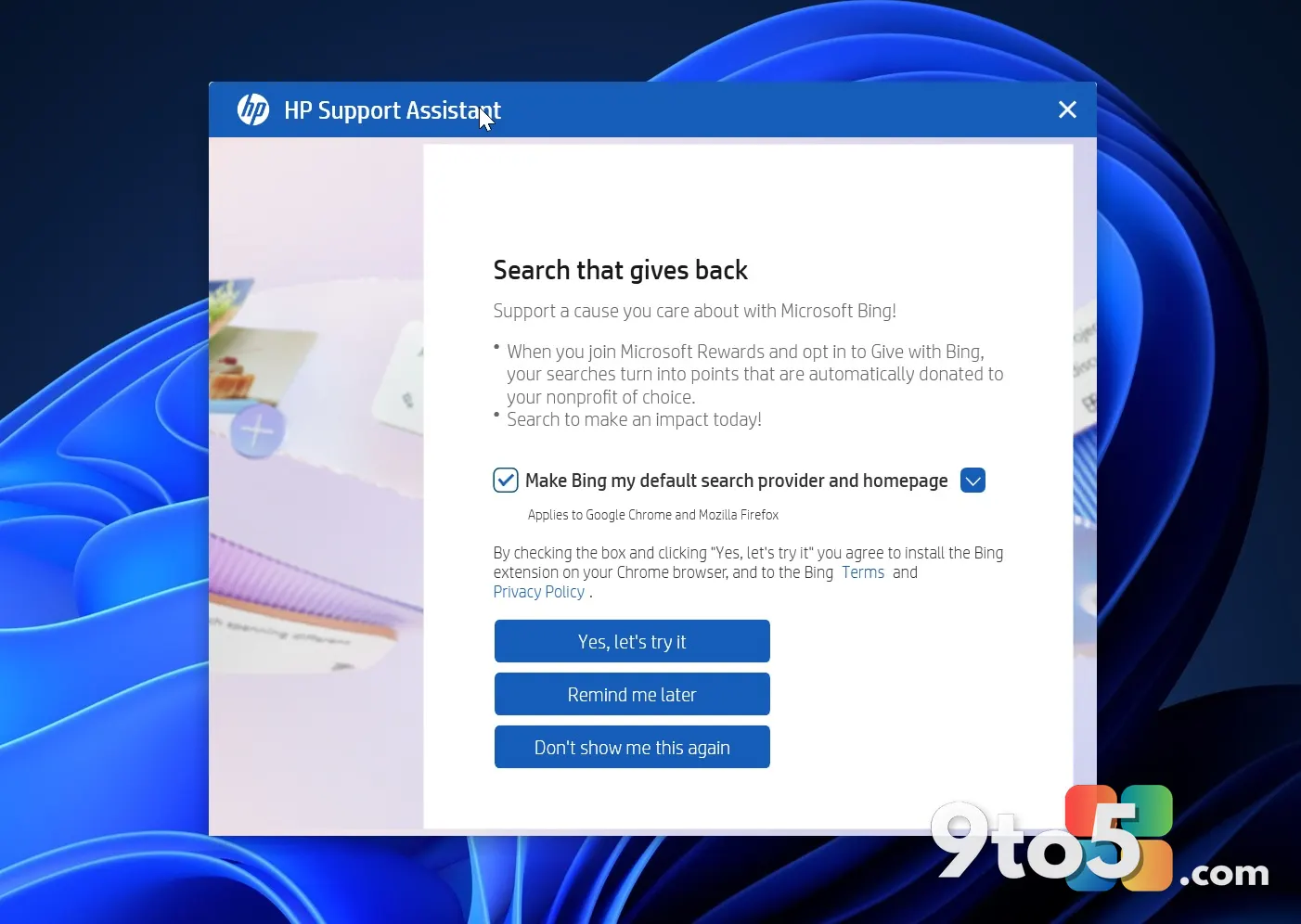 HP Support Assistant Bing Pop-up Is Spreading Across Windows 11, and Microsoft Won’t Block It