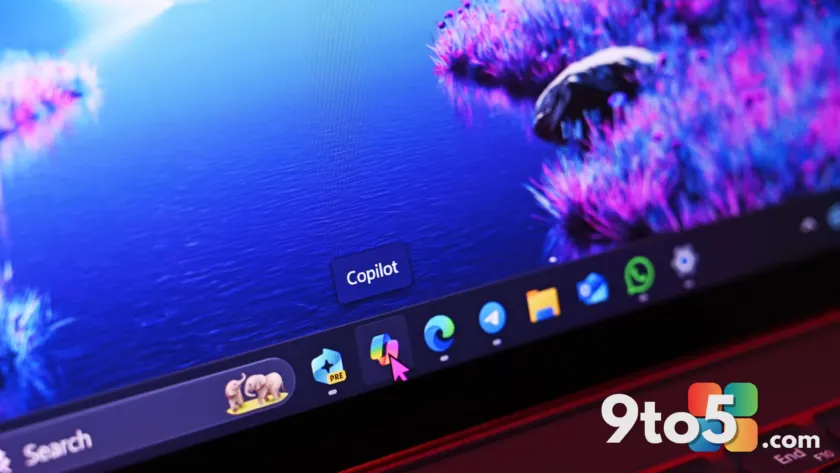
Microsoft has introduced new configurations for the Surface Pro 12-inch and Surface Laptop 13-inch, but these aren’t spec bumps or design refreshes. Instead, they are lower-memory variants featuring just 8GB of RAM. While this move is largely driven by component costs and pricing strategies, it has an unexpected side effect: neither device qualifies as a Copilot+ PC.
A leaner Windows 11 experience
To earn the Copilot+ PC badge, a system must meet specific hardware thresholds, including a minimum of 16GB of RAM. By dropping to 8GB, these new Surface models fall short of that requirement. Consequently, they will not ship with or support exclusive AI features like Recall, Click To Do, or the on-device neural processing capabilities associated with the brand.
For many users, this limitation is a blessing in disguise. Copilot+ features, particularly Recall, have drawn criticism for being resource-heavy and raising privacy concerns. By lacking the hardware to run them, these new Surfaces offer a cleaner, more traditional Windows 11 experience. You avoid the storage overhead of unused AI tools and the background resource consumption that can impact battery life on lower-end configurations.
While Copilot+ features occupy only a few hundred megabytes of disk space, their processing demands are significant. Without the dedicated NPU power and memory headroom required for real-time AI tasks, Microsoft has essentially created a more efficient machine for everyday productivity. It is a lighter OS footprint that prioritizes core functionality over experimental AI integrations.
Is 8GB of RAM still viable?
The return of 8GB RAM laptops has sparked debate, with some claiming such systems are unusable in 2026. However, recent testing suggests otherwise. Windows Central’s Cale Hunt recently stripped down a PC to test its limits, concluding that 8GB of RAM is still quite viable for general use.
“Within reason, running Windows 11 on 8GB of RAM is not only viable but quite enjoyable,” Hunt noted. As long as you aren’t attempting to run specialized design software or demanding games, there is enough memory runway for web browsing, document editing, and media consumption. The new Surface Pro and Laptop models are clearly targeted at this demographic: users who need a reliable, portable device for standard tasks rather than heavy-duty workstation loads.
The fading Copilot+ brand
This shift also highlights Microsoft’s apparent retreat from aggressive Copilot+ PC branding. When the Surface Laptop Ultra was announced, Microsoft did not highlight its Copilot+ status, and the product page omits the term entirely. Even for devices that do qualify, like the earlier Surface Pro 12 and Surface Laptop 8 announcements, the branding is subtle.
Industry observers note that consumers are largely neutral toward AI PCs. Reviews of high-end laptops like the ASUS Zenbook A16 rarely mention Copilot+ features as a primary selling point. Dell’s head of product recently suggested that AI branding may confuse more than it helps. By offering these 8GB models, Microsoft is effectively providing an option for users who prefer their hardware without the AI baggage.
What this means for you: If you are looking for a budget-friendly Surface and don’t need advanced AI features like Recall or live translation captions, these new 8GB models offer a compelling value. You get the familiar Surface experience without the premium price tag of Copilot+ certified hardware, and potentially better performance for basic tasks due to reduced background AI processes.
Source: Windows Central
Over to you: Would you prefer a cheaper Surface with 8GB of RAM and no AI features, or stick to the more expensive Copilot+ models?