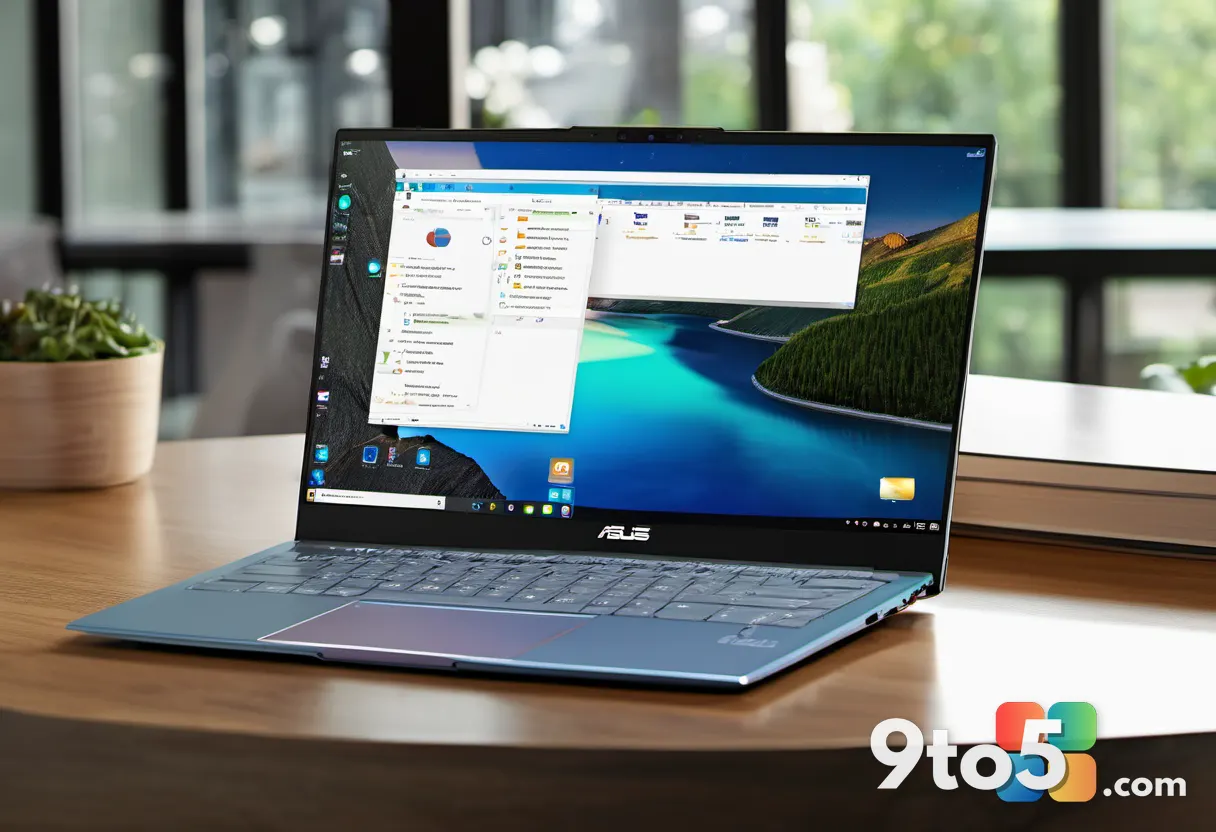
News has been circulating that Linux desktop market share finally crossed the 10 percent milestone among desktop PCs in North America, with some reports highlighting an even higher figure for the United States. If you look at the raw numbers, the jump appears historic. However, a closer examination of how those figures are collected reveals a much simpler explanation. The spike is not driven by everyday users swapping out their current operating systems. It is driven by automated traffic.
The Numbers That Sparked the Debate
According to data released by Statcounter, Linux recorded a 7.51 percent worldwide desktop share in July 2026, while the United States alone hit 11.87 percent. That represents a dramatic climb from the roughly 5 percent milestone the platform reached just last year. The Linux community has naturally celebrated the announcement, viewing it as validation of years of development work on the desktop environment, gaming compatibility layers, and native applications.
But a sudden doubling of desktop presence in a single year defies standard adoption curves. Historically, operating system shifts happen gradually, often over decades. Even the most successful platform transitions take years to cross single-digit thresholds. A jump from 5 percent to nearly 12 percent in North America within twelve months would require millions of users to wipe their drives and reinstall a different system overnight. That simply does not align with how people actually manage their computers.
How Statcounter Actually Measures the Linux Desktop Market Share
The disconnect between the headline numbers and real-world usage comes down to methodology. Statcounter calculates its global statistics based on more than 3 billion page views per month across its network of more than 1 million member sites. The platform tracks the activity of third-party visitors to those websites, meaning it counts every request that hits a tracked domain, not every unique human behind a keyboard.
When automated systems visit those sites, they send user-agent strings that identify their operating system. If Linux-based agents or web crawlers suddenly begin visiting Statcounter member sites at a higher rate, the platform registers those requests as Linux desktop traffic. Because the data is measured on a 100 percent scale, any increase in one category automatically reduces the percentage assigned to others. Windows does not lose actual installations because bots appear. The measurement framework simply shifts when the underlying input changes.

Cloudflare Data Shows the Real Picture
Independent network data confirms the inflation. A comparison with Cloudflare Radar shows a similar upward trend for Linux, but the pattern changes completely when you filter for human-only traffic. Once automated requests are removed, the Linux usage spike largely disappears. The growth over the past several months is real, but it is far smaller than the unfiltered Statcounter numbers suggest.
This kind of tracking distortion is not new. Statcounter has faced similar questions in the past when unusual patterns emerged, such as older operating system versions suddenly showing increased activity. The platform itself acknowledges that it tracks page views rather than individual devices. When third-party visitors include large volumes of automated agents, the resulting market share percentages reflect web crawling patterns rather than actual hardware installations.

What This Means for Linux and Windows Users
For everyday users, the distinction between tracked requests and installed systems matters less than it might seem. Operating system adoption is ultimately measured by what runs on physical hardware, not what appears in web server logs. The core Linux desktop experience continues to improve, with better driver support, native gaming tools, and more polished interface designs arriving regularly.
Windows users will notice no change in their daily workflow, and Linux users will continue building their setups regardless of percentage points. The real shift in the desktop space is happening at the edges, with cloud computing, containerized workloads, and AI assistants handling more tasks regardless of the host operating system. Market share debates often miss those underlying transitions.
What to Do With This Information
If you encounter another viral report claiming a sudden operating system milestone, check the methodology before sharing it. Look for sources that filter out automated traffic, and compare multiple tracking networks before accepting a single data point as fact. Statcounter remains a useful tool for understanding web traffic patterns, but it should not be treated as a direct count of installed desktop systems. The Linux desktop continues to grow steadily, even if the headline numbers occasionally run ahead of the hardware reality.
Source: PCWorld
Over to you: Are you currently running Linux as your primary desktop, or do you stick with Windows for your daily workflow?