Recent discussions on the Xbox Two Podcast sparked a wave of speculation suggesting Microsoft might be exploring a departure from Steam. The short answer is no. Xbox is absolutely not quitting Steam. However, the conversation highlighted a much broader shift in how Microsoft views its role in the PC gaming ecosystem. The company is doubling down on Windows gaming with a multi-pronged approach that aims to capture more market share without alienating the platforms where players already spend their time.
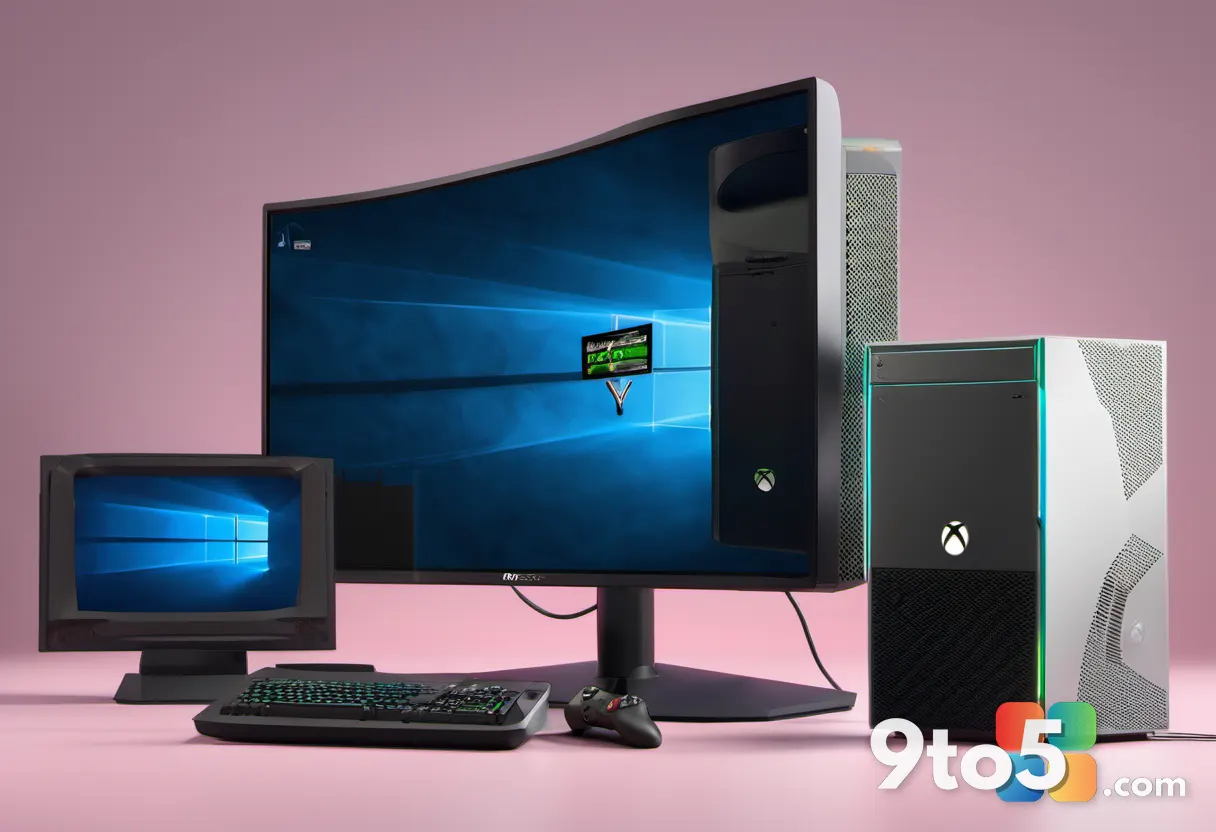
This strategic pivot comes at a critical juncture for Xbox. With the upcoming Xbox Helix gaming PC and the ongoing memory crisis affecting console hardware costs, Microsoft’s approach to PC gaming is evolving from a secondary consideration into a primary growth vector. The goal isn’t to replace Steam or Epic Games Store, but to create a more seamless, integrated experience that leverages Microsoft’s unique position as the owner of Windows.
Here is a detailed breakdown of what this expanding strategy entails, from platform integrations to new hardware features, and what it means for the average PC gamer.
#1 Xbox’s Continued Support for Steam and Game Pass
Despite the rumors, Xbox remains firmly committed to Steam. Recent exclusives like Gears of War: E-Day are launching on Xbox Series X|S consoles and Steam simultaneously. This dual-launch strategy ensures that Xbox games reach the widest possible audience on PC, regardless of which storefront a player prefers. Steam continues to be a vital distribution channel, and Microsoft recognizes that abandoning it would mean leaving significant revenue and engagement on the table.
At the heart of Xbox’s PC gaming strategy is Xbox Game Pass. The subscription service is designed to capture a different segment of the PC gaming audience than Steam typically targets. It appeals to players who might otherwise stick to free-to-play titles or those looking to maximize value across multiple platforms. Game Pass serves as the anchor for Xbox’s PC presence, offering a curated library that encourages discovery and retention within the Xbox ecosystem.
Microsoft is also investing heavily in the Xbox PC app itself. The introduction of Xbox Mode on Xbox handhelds and Windows 11 PCs transforms the desktop environment into a controller-focused interface. This optimization aims to make the Xbox PC app a more viable primary gaming hub, reducing friction for players who prefer console-like experiences on their PCs. The Windows 11 team has also signaled intentions to further boost OS performance for gaming, addressing long-standing complaints about Windows’ overhead compared to Linux-based alternatives like SteamOS.
The hardware landscape is also shifting. With component prices making the Xbox Series X|S less accessible to some consumers, targeting users where they already are on PC becomes a pragmatic move. Microsoft is likely focusing on a strategy that meets players on their existing platforms while gradually expanding its own ecosystem’s appeal. This approach allows Xbox to maintain relevance in the PC market without forcing a premature hardware transition.
#2 The Battle.net Expansion and Third-Party Integration
One of the most significant developments in Xbox’s PC strategy is the potential opening of Battle.net to third-party developers. Reports indicate that Microsoft and Blizzard have been planning to expand the platform beyond its traditional Blizzard titles. While it remains unclear if this plan persists under new Xbox CEO Asha Sharma, there is currently no evidence of cancellation.
Battle.net boasts a massive monthly active user base, with iconic franchises like World of Warcraft and Overwatch driving engagement. By allowing third-party developers to publish on Battle.net, Microsoft can leverage this existing audience to grow its PC gaming footprint. This move transforms Battle.net from a niche launcher into a broader distribution platform, potentially rivaling Steam’s reach in specific genres.
Microsoft has already tested this integration by launching titles like Avowed, The Outer Worlds 2, and DOOM: The Dark Ages through Battle.net. These releases serve as proof of concept, demonstrating that the platform can handle major third-party titles effectively. The redesign of Battle.net aims to offer a more diverse content library while maintaining its role as the primary delivery platform for Blizzard games.
Beyond Battle.net, Microsoft is working with publishers like Ubisoft and EA to integrate their own PC stores. This partnership allows publishers to deliver content directly while linking it to Xbox ecosystems, including Xbox Series X|S, Xbox Cloud, and Xbox PC. For example, Ubisoft recently announced that owners of certain Xbox console games will receive their PC versions for free, a program likely to expand over time. These integrations create a “bridge” between different gaming platforms, reducing fragmentation and enhancing the value proposition for Xbox subscribers.
#3 Positron: Bridging Console and PC with Disc Licenses
A key innovation in Xbox’s PC strategy is the development of Positron, a system designed to convert disc-based games into digital licenses. This technology addresses a long-standing pain point for console players who want to access their games on PC without repurchasing them.
Positron works by linking physical disc ownership to a digital license on your Microsoft account. If a game supports Xbox Play Anywhere, which covers roughly 50% of new releases, connecting the disc to your account grants you the PC version as well. This seamless integration eliminates the need for separate purchases and simplifies game management across devices.
Sources suggest that Positron is expected to be revealed in August, with Microsoft refining the details in the coming weeks. While it won’t support every game on Xbox 360, Series X|S, and Xbox One, it will cover a significant number of titles, pending licensing agreements with publishers. This rollout represents a major step toward unifying the Xbox ecosystem, making it easier for players to transition between console and PC.
The implications for consumers are substantial. Positron reduces the barrier to entry for PC gaming by allowing players to leverage their existing console libraries. It also enhances the value of Xbox Game Pass Ultimate, which already includes cloud gaming and disc benefits. As Microsoft continues to develop this technology, it could become a standard feature across all Xbox platforms, further solidifying the interconnected nature of the ecosystem.
#4 Backwards Compatibility Coming to PC
Microsoft is also expanding its backwards compatibility program to include PC gamers. Previously limited to Xbox consoles, this feature allows players to access classic games from previous generations on modern hardware. The Xbox backward compatibility emulator on PC currently includes four original Xbox titles, such as Conker’s Bad Fur Day, Blinx: The Time Sweeper, and Crimson Skies.
Future plans include support for Xbox 360 games, which could bring a wealth of critically acclaimed titles to PC. This expansion addresses a significant gap in the Xbox PC ecosystem, which has historically lacked access to many classic games. By leveraging its backwards compatibility technology, Microsoft can offer a richer library without the need for remasters or re-releases.
This move also has practical benefits for players with lower-end hardware. Many classic Xbox games are less demanding and can run smoothly on devices like the Xbox Ally S, which may struggle with modern AAA titles. By providing access to a diverse range of games, Microsoft ensures that its hardware is viable for a broader audience, regardless of specifications.
The inclusion of backwards compatibility on PC also reinforces Microsoft’s commitment to digital preservation. In an era where physical media is declining, ensuring that older games remain accessible is crucial for maintaining gaming history. Xbox has been a leader in this space, and extending this capability to PC further cements its reputation as a champion of gaming heritage.
#5 Challenges and the Road Ahead
Despite these advancements, Xbox’s PC gaming strategy faces significant challenges. The platform has a history of fragmentation and feature gaps compared to competitors like Steam. Issues such as long certification times for indie developers, difficult publishing policies, and performance inconsistencies on lower-end devices have hindered adoption.
Indie developers, in particular, have expressed frustration with the complexity of shipping on Xbox PC. Without guaranteed Game Pass deals, many find the effort outweighs the potential rewards. Microsoft needs to address these concerns to attract a more diverse range of titles and foster a healthier developer ecosystem.
Additionally, the Xbox PC store’s search functionality and curation have been criticized for being subpar. Players often struggle to discover new games, which can dampen engagement and retention. Improving these aspects is essential for making the Xbox PC app a more user-friendly and attractive platform.
Looking ahead, the success of Xbox’s PC strategy will depend on its ability to deliver a seamless, integrated experience that justifies the investment. While the long-term goal may involve a greater focus on Microsoft’s own platforms, the immediate priority is to enhance the current ecosystem and provide value to players. By expanding Game Pass, integrating Battle.net, and bridging console and PC with technologies like Positron, Microsoft is laying the groundwork for a more cohesive gaming future.
As the gaming landscape continues to evolve, Microsoft’s approach to PC gaming will be closely watched. The company’s ability to navigate these challenges and deliver on its promises will determine its success in the competitive PC market. For now, the message is clear: Xbox is not quitting Steam, but it is aggressively building a more interconnected and accessible gaming ecosystem for Windows players.
Source: Latest from Windows Central
Over to you: Are you more likely to use Xbox Game Pass or stick with Steam for your PC gaming library?