Eleven years ago this month, Microsoft laid out a games everywhere strategy that sounded ambitious at the time but ultimately defined the next decade of the Xbox brand. During Gamescom 2015, executives made it clear that the console was no longer the sole destination for gaming. Instead, the company was building a unified ecosystem where your library, progress, and social graph would follow you across devices. The focus was squarely on erasing the boundaries between hardware, a move that would slowly reshape how the entire industry approaches cross-platform play.
The 2015 Gamescom Announcement
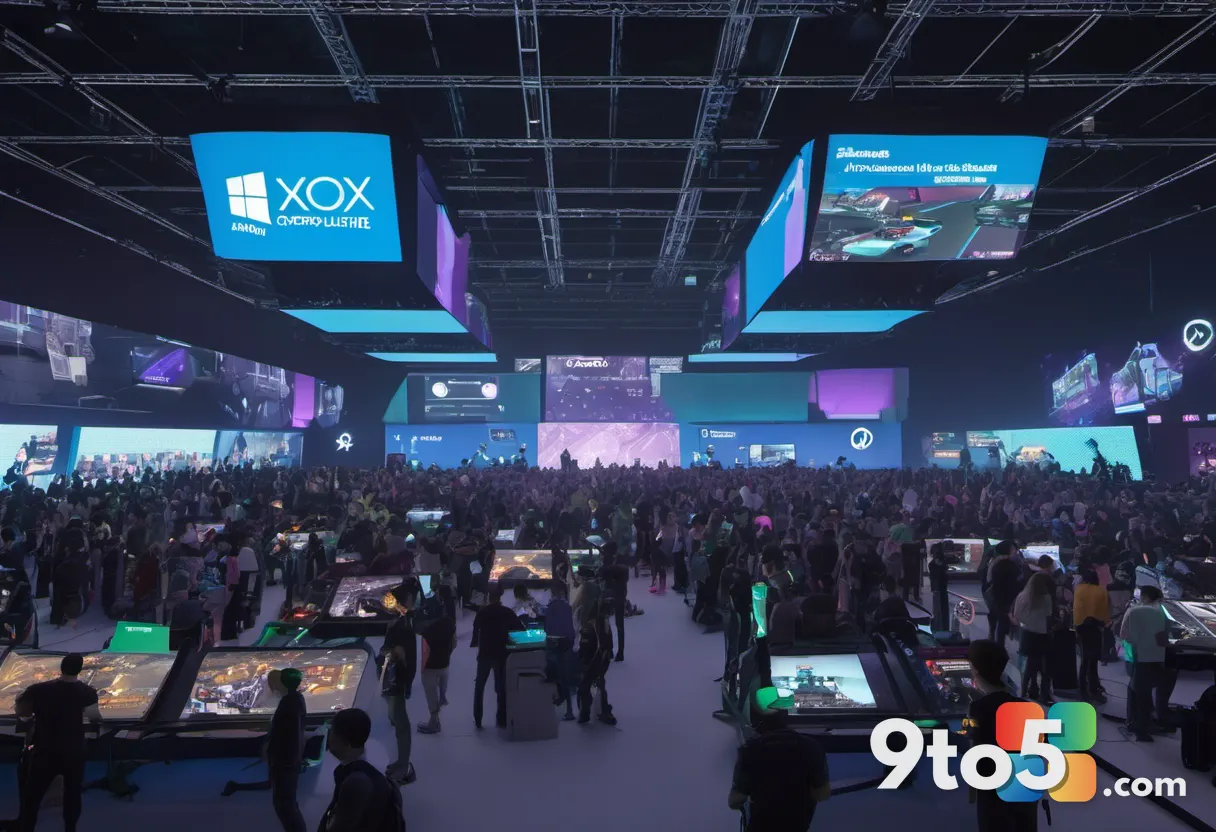
At the Cologne trade show, Microsoft’s Xbox booth was deliberately designed to blur the line between hardware. Consoles sat side-by-side with Windows 10 PCs, running titles like Fable Legends and Gigantic with identical assets. The message was straightforward: you could pick up a session on one device and continue it on another. Phil Spencer had just spent months positioning Windows 10 as the foundation for this shift, starting with the January 2015 launch event. The company was actively removing friction points, like revoking the Xbox branding from music and video apps to keep the name strictly tied to interactive entertainment. Spencer told Polygon that Windows itself would become a critical component to Xbox’s success, and gaming would reciprocally drive Windows adoption. The vision extended beyond PCs to include phones, tablets, and even HoloLens, with cross-buy, cross-play, and game streaming positioned as the initial pillars.
Windows 10 as the Unifying Platform
The technical backbone of this approach relied heavily on the Windows 10 operating system. Microsoft positioned the OS not just as a PC platform, but as the central hub for game libraries and achievements. Xbox Live integration was baked directly into the OS, meaning your gamertag, friends list, and cloud saves were no longer locked to a specific piece of hardware. Peripherals also received immediate attention. Starting with Windows 10, official Xbox controllers, including the newly announced Elite Controller, were supported out of the box without third-party drivers. This hardware-agnostic approach meant that input methods became a matter of preference rather than platform restriction. Sony’s efforts at the time, like remote play for PlayStation, required owning multiple first-party devices. Microsoft’s pitch was that a Windows PC already existed in millions of households, making the streaming and cross-platform infrastructure immediately accessible without additional purchases.
How the Vision Actually Played Out
Translating a keynote vision into a sustainable business model took years. The initial push relied heavily on cross-play and cloud streaming, both of which faced significant technical and licensing hurdles. Game streaming eventually found its home in Project xCloud, which later evolved into a core component of Xbox Game Pass Ultimate. The cross-buy model matured through the Microsoft Store, though it was eventually replaced by the broader Xbox app and PC Game Pass. Social features like Play Anywhere titles allowed players to purchase a game once and access it on both Xbox and Windows 10 with shared progression. Over time, the strategy expanded to include backward compatibility, which brought thousands of older titles into the modern ecosystem. The original questions about whether Microsoft could unify these platforms were largely answered by the widespread adoption of cross-platform play across the broader industry, forcing competitors to follow suit.
The Current State of Xbox Strategy
Today, that 2015 foundation operates at the center of Microsoft Gaming’s business model. Under new leadership from Asha Sharma, the company has pulled back on the highly visible “This is an Xbox” marketing campaign to refocus on core product development. There is also a noted shift away from heavy Copilot AI integration in the console dashboard, alongside internal rebranding efforts that have simplified the corporate name to just Xbox. The strategic priorities have shifted toward addressing a longer list of operational challenges, including exclusive title pipelines, the Xbox Helix subscription tier, and broader Game Pass expansion. While the original questions about brand identity and hardware relevance remain, they now exist in a completely different context. The ecosystem that Spencer outlined in 2015 has matured into a multi-platform service model that defines modern gaming.
What This Means for You
For everyday players, the long-term execution of this strategy has already changed how you buy, play, and share games. Your progress no longer resets when you switch from a console to a PC, and your friends list is no longer fragmented across separate networks. Game Pass has effectively become the commercial realization of the original promise, offering a single subscription that covers console, PC, and cloud access. You can now pick up a controller on a train, finish a level on a laptop, and continue on a TV at home without losing your place. The hardware you choose matters less than the account you log into, which aligns with the original 2015 goal of putting gamers at the center rather than devices.
Looking Ahead
The next phase of this strategy will likely focus on deeper cloud integration, improved cross-platform performance, and more seamless account transitions between services. Microsoft has consistently treated its gaming division as a long-term play rather than a short-term hardware race. The original 2015 announcement was less about selling consoles and more about building a persistent gaming layer across the entire Microsoft ecosystem. Whether through Game Pass, cloud streaming, or future service integrations, the core promise remains exactly what was outlined over a decade ago. The execution has been iterative, but the destination has never changed.
Source: Latest from Windows Central
Over to you: Which device in your home do you use most for Xbox Game Pass titles now?