
The latest Microsoft Q4 2026 earnings report just landed, and the numbers clear a high bar. The company reported total revenue of $90.0 billion, up 18 percent year over year, comfortably beating the roughly $87.6 billion that Wall Street analysts had projected. Net income came in at $35.8 billion on a GAAP basis, representing a 31 percent increase, while diluted earnings per share reached $4.81 GAAP and $4.74 on an adjusted basis. Shares are trading higher in after-hours sessions as investors digest the results.
The Numbers Behind the Beat
Reaching $90.0 billion in a single quarter is not a new milestone for Microsoft, but the 18 percent year-over-year growth rate signals that the company is still pulling ahead of its own historical pace. Analysts had been tracking a convergence target near $87.6 billion, and the $2.4 billion surplus reflects consistent execution across both the commercial and consumer segments. The 31 percent jump in net income is particularly notable, as it shows the company is not just selling more, but doing so with improving operational efficiency. Adjusted EPS of $4.74 also cleared consensus estimates, which typically triggers the after-hours rally you are seeing right now.
When you look at the broader fiscal year context, this quarter closes out a period where Microsoft has systematically shifted its revenue mix toward recurring cloud subscriptions and enterprise licensing. The results confirm that the strategy is working, even as macroeconomic headwinds have pressured IT spending across the wider technology sector.
Why the Microsoft Q4 2026 Earnings Matter for Cloud Users
Azure remains the primary engine behind the revenue beat. While Microsoft does not break out a standalone Azure figure in this specific earnings summary, the company has consistently pointed to intelligent cloud services as the fastest-growing segment. The underlying drivers are familiar: enterprise AI workloads, database migration to cloud-native architectures, and the steady migration of legacy on-premises Windows Server environments to Azure VMs. Every time a company moves a workload to Azure, it locks in a recurring revenue stream that compounds quarter over quarter.
For the Windows ecosystem, this cloud investment has a direct downstream effect. Microsoft has been quietly aligning Windows 11 and Windows 10 LTSC releases with Azure Arc, Intune, and Microsoft 365 compliance frameworks. The operating system is increasingly functioning as a secure endpoint that feeds telemetry, policy, and identity data into the cloud stack. That architectural shift is what turns a one-time Windows license into a long-term platform subscription.
What This Means for You
If you manage a fleet of Windows devices, the earnings report is less about quarterly profits and more about where Microsoft is steering its engineering budget. Strong cloud revenue gives the company more runway to fund AI integration across Copilot, Defender, and the Windows Update pipeline. It also means continued emphasis on hybrid identity and zero-trust networking, which will shape how you deploy Group Policy, configure Windows Hello for Business, and roll out feature updates through your existing WSUS or Intune channels.
For everyday users, the practical takeaway is straightforward. Microsoft is unlikely to slow its push toward cloud-dependent features, even on consumer Windows 11 builds. You should expect more frequent background sync, deeper Microsoft account integration, and a continued softening of local-only storage options. That is not a criticism, but a reality of the platform strategy. If you prefer keeping your data on-premises, you will need to rely on offline installation media, local group policy restrictions, and the privacy settings that Microsoft still maintains for enterprise and education tenants.
How to Review the Full Earnings Report
The complete fiscal Q4 2026 earnings package, including the investor presentation and segment breakdown, is available through Microsoft’s official investor relations portal. If you want to dig into the specific revenue streams, look for the Intelligent Cloud and Productivity and Business Processes sections, which detail the commercial and consumer splits. The transcript from the earnings call will also cover management’s outlook for the next quarter, including guidance on Azure capacity expansion and AI workload adoption rates.
For Windows-focused readers, the most relevant takeaways will come from the Productivity and Business Processes segment, where Microsoft 365 and Windows licensing revenue are reported together. Tracking that line item over the next four quarters will tell you whether Microsoft is successfully converting Windows 11 upgrades into recurring subscription revenue, or if the market is plateauing.
Source: AskWoody
Over to you: Are you relying more on Azure cloud services for your work, or do you still prefer keeping your data on local Windows machines?
You may also like
 Microsoft Reports Record $90 Billion Quarter as Azure Crosses $100 Billion Annual Revenue Milestone
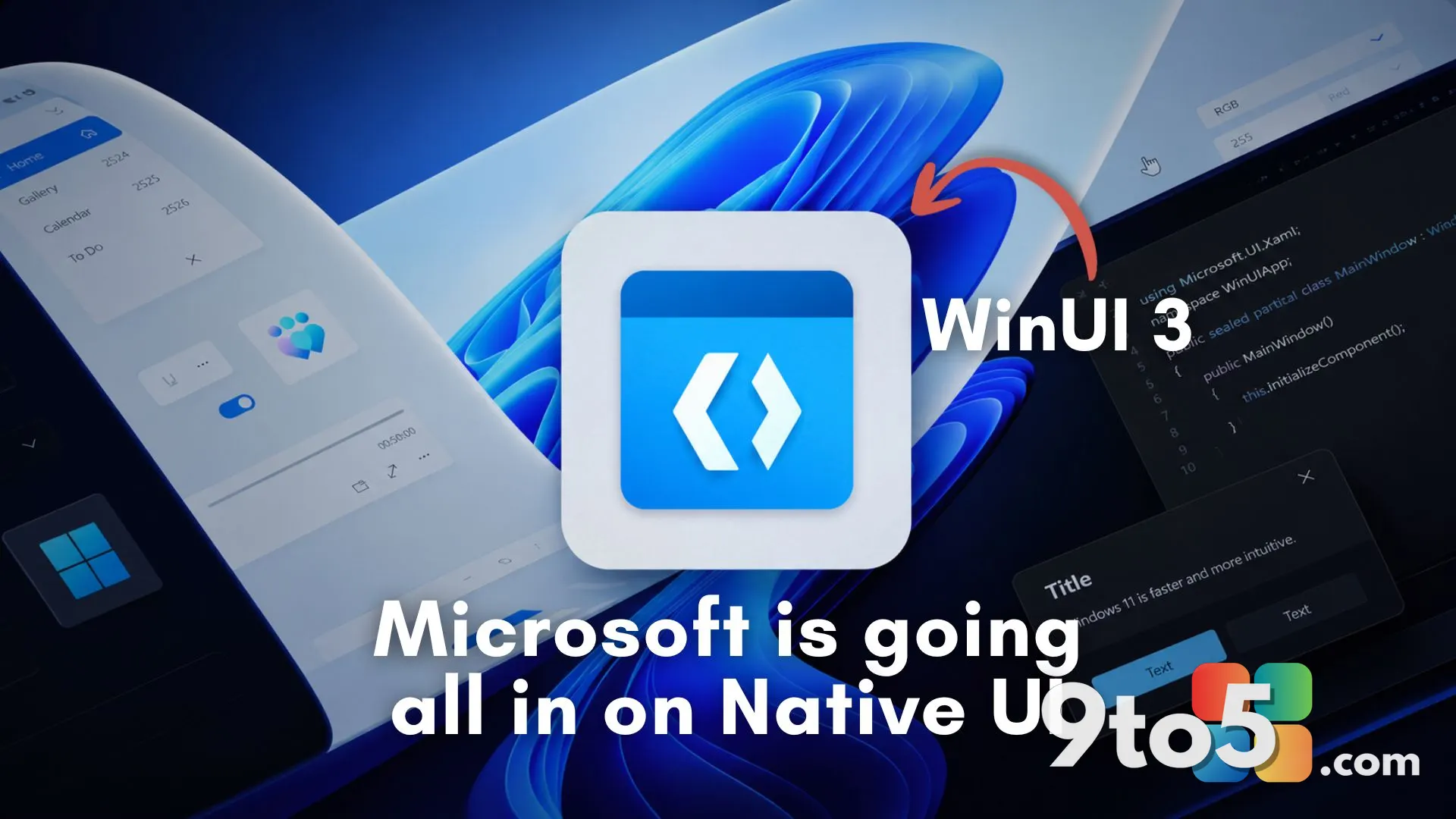 Microsoft Confirms Major Windows 11 WinUI Redesign: Legacy Code Is Being Dropped
 The Windows 11 Field Guide Just Got a Massive 2026 Overhaul
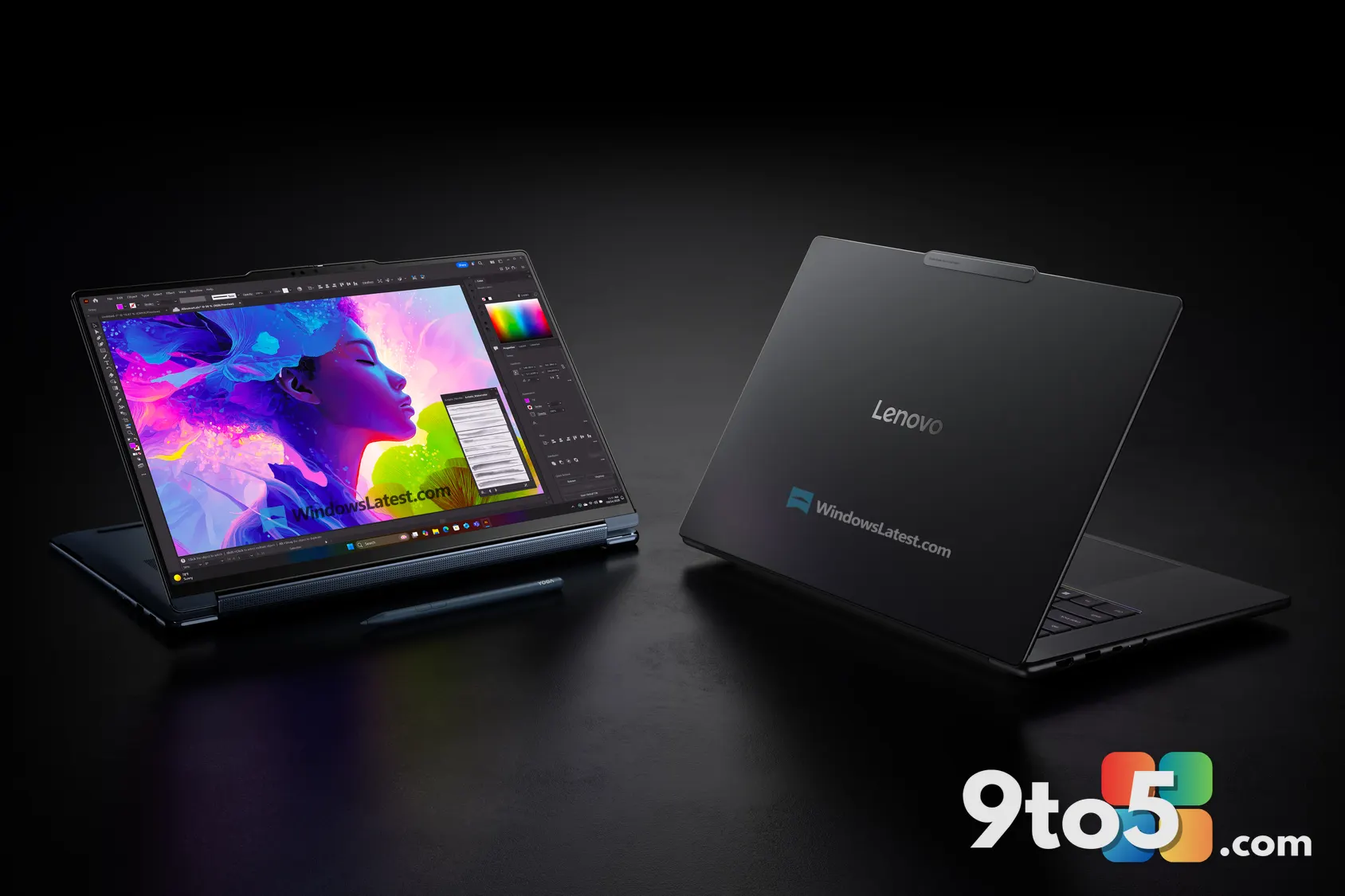 Exclusive: First Look at the Lenovo Yoga 9n, the Convertible Laptop Powered by NVIDIA RTX Spark