You know the Copilot key. It’s that dedicated button Microsoft started slapping on keyboards in 2024, and for a lot of users it has done exactly nothing useful. Well, Microsoft is finally letting you repurpose it.
The latest Windows 11 Release Preview update adds a setting that lets you remap the dedicated Copilot key to behave as either the Right Ctrl key or the Context Menu key — the keyboard equivalent of right-clicking.
This lands in Release Preview Build 26100.9539 for Windows 11 24H2 and Build 26200.9539 for 25H2, released September 10, 2026. It ships alongside a batch of major Bluetooth fixes, but the Copilot key remapping is what power users have been waiting for.
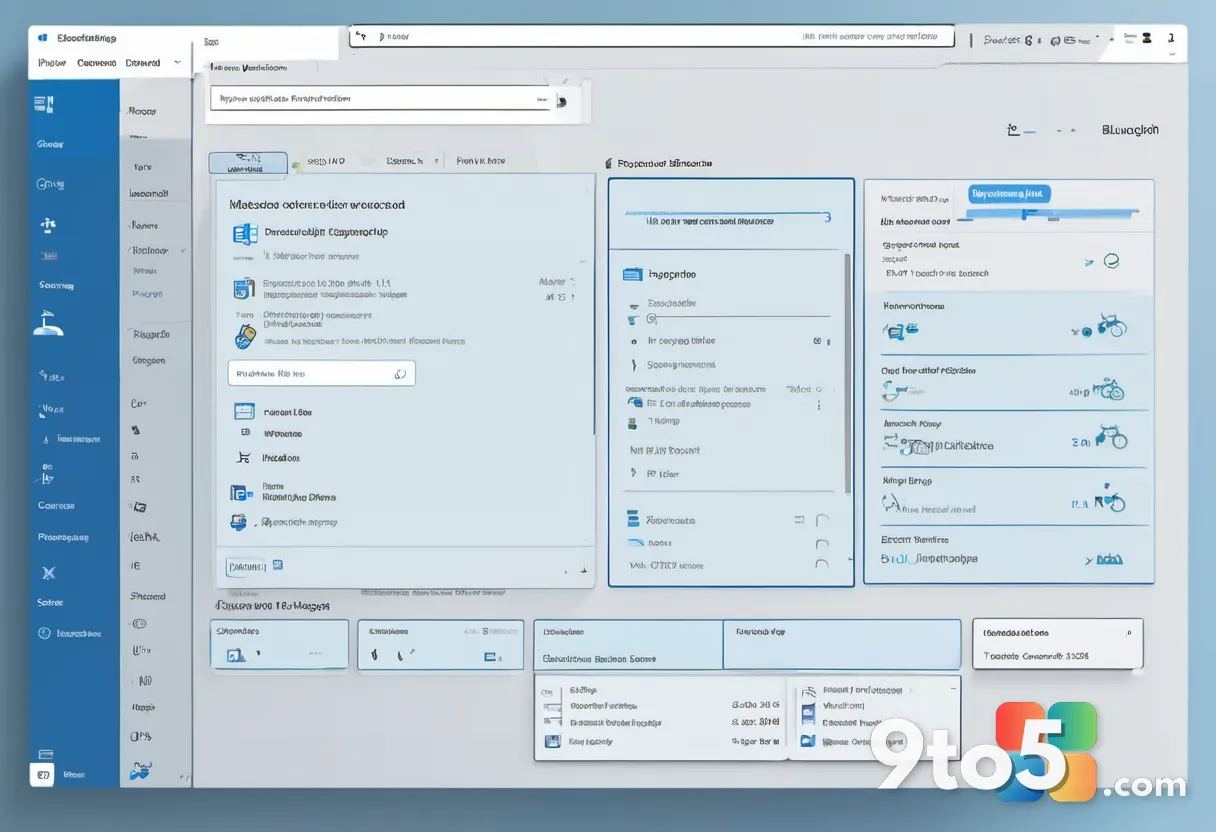
Where to find the new Copilot key setting
The option lives under Settings > Bluetooth > devices > Keyboard. From there you’ll see a new control that lets you reassign the physical Copilot key to act as Right Ctrl or the Context Menu key.
Microsoft’s release notes describe the change as a way to help “preserve familiar keyboard shortcuts and accessibility workflows.” In other words, it’s about not breaking the muscle memory you built up over years of using Windows.
The Context Menu key is the keyboard equivalent of right-clicking. It opens the contextual menu for whatever’s selected without you having to reach for a mouse. On many laptops, the OEM was forced to replace that key with Copilot, so this setting gives you a way to get it back.
One important distinction: this is a Context Menu function, not a literal mouse right-click. The behavior matches the physical Context Menu key that used to sit on keyboards.
What to know before you remap
Microsoft isn’t handing you a clean, problem-free switch. There are a couple of caveats worth knowing.
If you set the Copilot key to Right Ctrl, shortcut combinations using RCtrl+Win and RCtrl+Shift stop working normally. Microsoft recommends using Left Ctrl for those combinations instead.
Implementations also vary by keyboard layout, manufacturer, firmware, and hardware design. And if your device already ships with its own remapping tool, Microsoft says to use either that or the new Windows setting — never both at once.
Why Microsoft is finally admitting the key caused problems
Microsoft’s support documentation is unusually candid about the Copilot key’s rough start. It confirms that hardware manufacturers began shipping dedicated Copilot keys in 2024, and that the key sometimes replaced the Right Ctrl or Context Menu key on keyboards.
“Customers who rely on the Right Ctrl key or Context menu key for keyboard shortcuts or assistive technologies (such as screen readers) experienced some challenges to their workflows when using these devices,” the support page states.
Redmond doesn’t call the key useless or admit it was a mistake — that’s the reader’s call, not Microsoft’s. The company is framing this around productivity, accessibility, and giving customers more choice.
The long road to remapping the Copilot key
This isn’t the first time Microsoft has fumbled with the Copilot key. If you’ve been following along, here’s the timeline of how we got here:
- January 2024 — Microsoft officially introduced the Copilot key, pitched as the start of an AI-powered era for Windows PCs.
- November 2024 — Windows 11 first let users customize the Copilot key to launch Search or supported apps, arriving via the mandatory update KB5046617 for 24H2 and KB5046633 for 23H2.
- December 2024 — Reports surfaced that Microsoft seemed unsure what to do with the key at all, as Copilot’s sidebar integration shifted to a web app.
- February 2025 — Evidence from a Windows reverse engineer pointed to a plan to map the key to the Context Menu function, though it wasn’t officially confirmed.
- June 2026 — Microsoft made it official, explaining that the key could disrupt productivity and accessibility workflows and promising the Right Ctrl and Context Menu options.
- July 2026 — Insider builds showed a “Do nothing” option for the Copilot key.
- September 2026 — The remapping option reached Release Preview, where it sits today.
The Copilot key is becoming a normal Windows key again — sort of
Microsoft hasn’t removed Copilot from the key. Its support documentation says it remains committed to giving customers choices for how the key functions, and the physical key stays put. Manufacturers may still be printing the Copilot logo on their keyboards per Redmond’s guidance.
That said, Copilot recently got a logo change, which creates two practical headaches:
- Existing PCs — including the unsold millions still sitting on store shelves — with Copilot keys will carry the outdated logo.
- Manufacturers would have to change the key design on their factory production lines, which sounds minor but isn’t.
Microsoft wanted the Copilot key to make AI feel like a fundamental part of Windows. A couple of years later, one of the most useful things you can do with it is turn it back into a keyboard function that’s existed for decades.
What this means for you
If you’re one of the many people who never pressed the Copilot key, this is a small victory. You can now reclaim a key that was forcing itself into your workflow and turn it into something you’ll actually use.
If you rely on screen readers or assistive technologies, the Context Menu remapping restores a workflow that hardware changes had disrupted. Just remember the Right Ctrl caveat and stick with Left Ctrl for modifier combos, or you may find your shortcuts silently stop responding.
How to get it
The feature is currently in Release Preview, so you’ll need to join that channel to try it today. Once it clears testing, it’s heading to all PCs in the October 2026 Patch Tuesday mandatory update, as well as this month’s optional update.
For most users, that means the ability to remap the Copilot key will arrive automatically later this year — no action required unless you want to tinker with the setting the moment it lands.
Source: Windows Latest
Build details:
- kb5046617
- kb5046633
Over to you: Will you remap your Copilot key to right-click, or leave it doing nothing?
You may also like
 Microsoft Is Pulling Windows 11’s Long-Tested PC Migration Feature
 New Windows 11 builds polish File Explorer search and expand context menu controls
 Microsoft Is Finally Rolling Out Windows 11’s Administrator Protection Feature
 Windows 11 New Cursor? Microsoft Quietly Shows a Redesigned Pointer Mock-Up