If you recently opened your Start menu or searched for a new program on Windows 11, you may have noticed a fresh entry called the OneDrive Photos app. Microsoft has quietly pushed this new utility to a growing number of devices, and while it sounds like a straightforward photo viewer, it actually ties directly into your cloud storage in ways that might surprise you.
Here is what we know about the app, why it is showing up on your PC, and exactly how to remove it if you would rather keep your photos where they are.
What is the OneDrive Photos app?
At its core, the OneDrive Photos app is a dedicated image viewer and organizer designed specifically for files stored in your Microsoft cloud account. Unlike the legacy Photos app that has shipped with Windows for years, this new utility is built to prioritize content synced from OneDrive rather than local drives. It pulls in your cloud library, applies basic organization features, and allows you to browse, tag, and share images without leaving the Microsoft ecosystem.
According to reports from ZDNet, the app is being distributed silently through Windows Update, meaning it likely installed itself without a prominent notification or a request for your permission. This approach aligns with Microsoft’s broader strategy of deepening integration between Windows 11 and its subscription services.
Why is it appearing on your PC right now?
Microsoft has been gradually shifting its focus toward cloud-first experiences for several years. The appearance of the OneDrive Photos app fits into a larger pattern where Microsoft is encouraging users to store media off-device and access it through Microsoft 365. By bundling a dedicated viewer for cloud photos, Microsoft is making the OneDrive subscription more valuable and reducing the friction of accessing your library across devices.
From an editorial standpoint, this move mirrors previous shifts, such as the push for Microsoft Edge as the default browser and the integration of Copilot into the taskbar. The goal is consistent: keep you within the Microsoft ecosystem for daily tasks. Whether this is part of a wider rollout to all Windows 11 users or a targeted test for specific regions and builds remains unclear, but the silent installation method suggests it is being pushed broadly.
What does the app actually do?
Once installed, the OneDrive Photos app functions as a streamlined gallery for your cloud-stored images. Key capabilities include:
- Cloud-First Browsing: It prioritizes images synced from OneDrive, allowing you to view them without downloading them to your local drive first.
- Basic Organization: You can sort photos by date, location, and albums, similar to the previous Windows Photos app.
- Syncing Integration: It works closely with OneDrive’s backup and sync settings, making it easy to add new photos to your cloud library directly from the viewer.
- Sharing Options: Built-in tools let you generate sharing links or send images to other Microsoft 365 users.
While the feature set is functional, it lacks some of the advanced editing tools that power users relied on in the older Photos app. If you are accustomed to detailed crop, color correction, or batch processing features, you may find this app more of a viewer than a full-featured editor.
How to remove the OneDrive Photos app
If the new app is taking up space you don’t need or simply isn’t your preferred way to view images, you can remove it. Microsoft has made it relatively straightforward to uninstall modern apps from Windows 11.
Follow these steps to get rid of it:
- Open Settings and navigate to Apps > Installed apps.
- In the search bar at the top, type OneDrive Photos.
- Click the three-dot menu next to the app and select Uninstall.
- Confirm the prompt to remove it from your system.
After uninstalling, you may want to restart your PC to ensure the Start menu and search indexes refresh. If the app reappears after a Windows Update, you can check for a Group Policy or registry key that might be re-enabling it, though this is less common for standard consumer accounts.
What this means for you
For most users, the OneDrive Photos app is a neutral addition. If you already use OneDrive to back up your photos, it provides a convenient, cloud-optimized way to view them. However, if you prefer local storage or rely on third-party photo managers like Adobe Lightroom or Google Photos, this app may feel like unnecessary bloatware.
The silent installation is the main point of contention. Many users expect transparency when Microsoft adds new software to their system, especially when it ties into cloud services that may incur storage costs. Removing it is a simple fix, but it highlights the ongoing tension between Microsoft’s ecosystem integration goals and user preference for control.
How to get it or what to do next
If you decide you want to use the OneDrive Photos app, you can find it in your Start menu or search for it directly. It will automatically sync with your OneDrive account, so ensure your cloud storage is set up and your photos are backing up correctly.
For those who prefer to keep their current setup, stick with the legacy Photos app or your preferred third-party software. You can also adjust your OneDrive settings to limit what syncs to your PC if you want to reduce cloud dependency overall.
As Microsoft continues to roll out cloud-centric features, staying informed about what is installed on your system helps you make the best choice for your workflow. Keep an eye on Windows Update notifications and your installed apps list to stay ahead of future changes.
Source: Latest stories for ZDNET in Microsoft
Over to you: Are you using the new OneDrive Photos app, or have you already uninstalled it to stick with your preferred photo manager?
You may also like
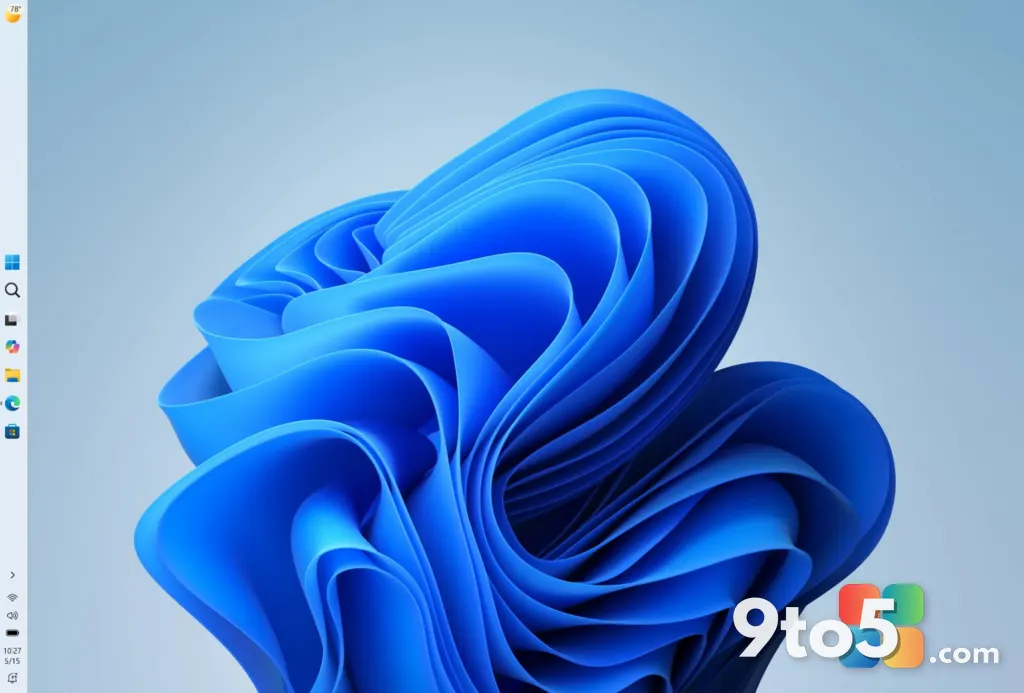 Windows 11 Insider Preview Builds Get Adaptive Hibernate, Taskbar Positioning, and Compact Size Options
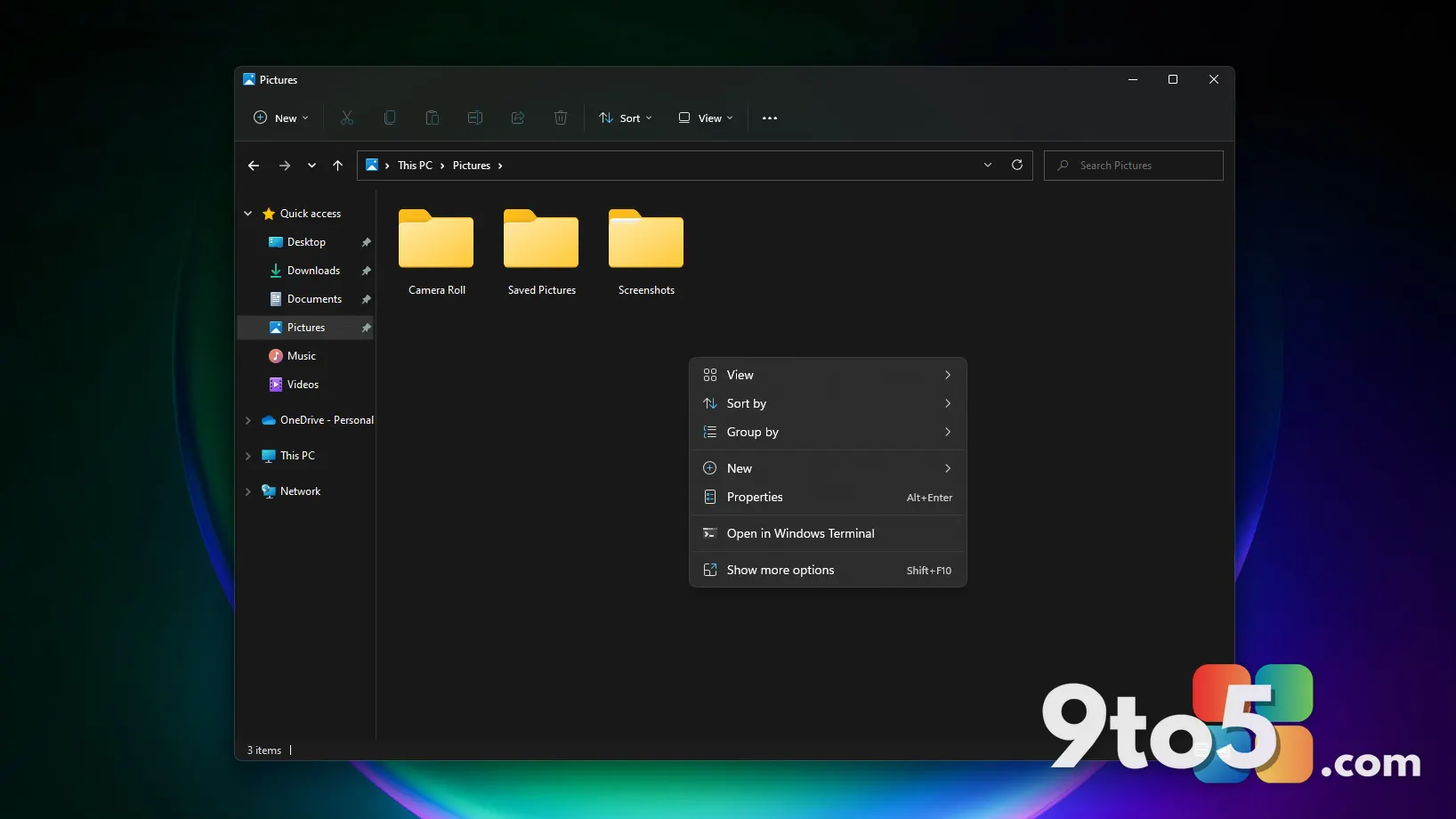 Windows 11’s Right-Click Menu Is Getting a Faster, More Compact Redesign
 Windows 11 File Explorer Just Updated Its File Size Display
 Windows Hello External Fingerprint Support Arrives on Windows 11 Desktops