When an app freezes, most Windows users reach for Task Manager by habit: press Ctrl+Shift+Esc, find the unresponsive program, and click End task. But Windows 11’s End Task button offers a faster route that a large number of people simply haven’t switched on yet.
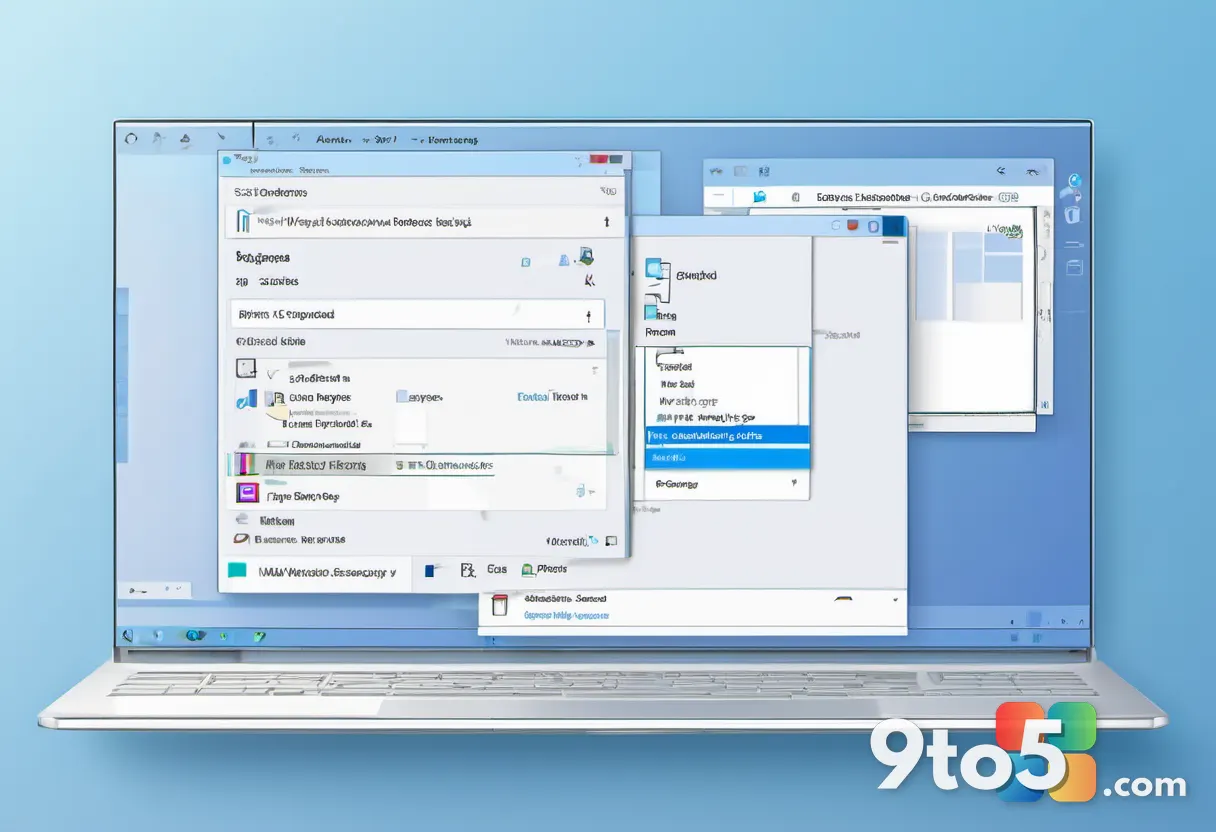
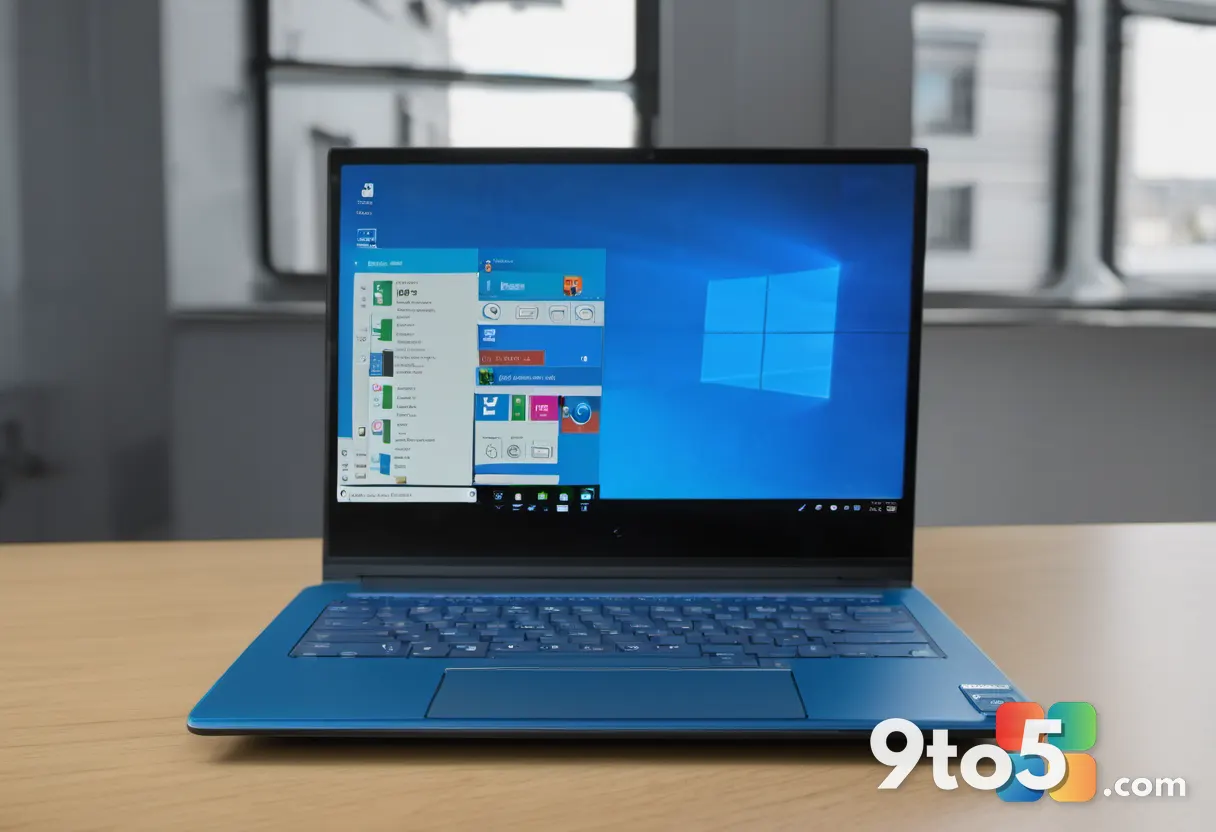
Right-click any running app’s taskbar icon and you’ll find an End task option sitting just below Pin to taskbar. Selecting it terminates the program instantly—no Task Manager window required.
Here’s everything you need to know about the feature, how to enable it, and why it’s worth adding to your daily routine.
How to enable the End Task button on the Windows 11 taskbar
The setting lives under System settings, though its exact location depends on how recent your build is.
Open Settings, navigate to System, and open Advanced. Under the Taskbar section, you’ll find the End Task toggle. Flip it on and the option appears immediately when you right-click a running app.
According to Microsoft’s Advanced Settings documentation, this page replaced the older For Developers page, with End Task listed under the Taskbar heading. On older Windows 11 versions, the toggle sat under Settings > System > For developers > End Task instead.
Once enabled, the End Task option only shows up for apps that are actually running—not every pinned icon. So you won’t see it cluttering shortcuts for programs you haven’t launched.
From a practical standpoint, this is a two-click shortcut for force-closing unresponsive apps, replacing the longer path of opening Task Manager and hunting through the process list.
What End Task actually does (and how it differs from closing a window)
Closing a window and ending a task are not the same thing, and mixing them up can cost you unsaved work.
The Close window button asks the app to shut down normally, giving it a chance to save data and exit cleanly. End Task skips that courtesy and force-terminates the process outright.
From a technical standpoint, the button first sends a WM_CLOSE signal—the same request a normal X click issues. If the app is frozen and can’t respond, Windows locates the process ID behind it and calls TerminateProcess to force it closed, along with any child processes running under that task.
There’s also a notable change in behavior over time. Windows Latest reported that the taskbar version originally displayed a Not responding confirmation dialog before killing the app. Microsoft removed that extra step in the July 2024 update (KB5040527), so End Task now terminates the process immediately.
Why power users reach for it on WhatsApp, Teams, and Discord
The real appeal shows up with communication apps like WhatsApp, Teams, and Discord, which are essentially web apps wrapped in a desktop shell.
These programs are designed to keep running in the background system tray after you close their window, so they can still deliver notifications. Clicking the X doesn’t actually stop them. Even setting their background permission to Never hasn’t fully solved the problem for everyone.
Ending the process through the taskbar gives you a fast way to reclaim the RAM and CPU these apps hold. The amount freed depends on what the app was doing at the time, but for memory-heavy messengers, it’s often noticeable.
That said, End Task isn’t a full replacement for Task Manager. The classic tool can still end system processes like File Explorer, which doesn’t offer an End Task option when you right-click it. Reserve the taskbar shortcut for the apps you already know are the problem.
A quick look at the feature’s history
The End Task button has been hiding in plain sight for a while. Microsoft introduced it in Build 23430 during the Windows 11 Insider program in 2023, originally placing it under the For developers setting.
It didn’t work correctly at launch. Microsoft shipped a fix in Build 23451 the following month, and the feature never actually required Developer Mode to use it.
In 2025, Microsoft began replacing the For Developers page with Advanced Settings, a category built for features aimed at power users rather than just programmers. That move brought End Task into the mainstream System settings where more people can find it.
What this means for you
If you’ve ever spent extra clicks hunting through Task Manager to kill a hung app, this is a small quality-of-life win. The End Task button turns a three-step habit into a two-click one.
Just remember it’s a forceful action. Because it bypasses the app’s normal shutdown, any unsaved work can be lost, so keep it in your back pocket for genuinely unresponsive programs rather than everyday use.
How to get it
The feature is already built into recent Windows 11 builds—there’s nothing to install or download. Simply enable the toggle under Settings > System > Advanced > Taskbar > End Task, and start right-clicking your taskbar icons.
Source: Windows Latest
Build details:
- kb5040527
Over to you: Do you still reach for Task Manager when an app freezes, or have you switched to the taskbar End Task button?