Microsoft is preparing to release the Windows 11 August 2026 Update on Tuesday, August 11. This monthly security and feature update targets both Windows 11 versions 25H2 and 24H2, introducing several notable changes ranging from AI management to biometric security enhancements. As with previous monthly releases, Microsoft will deploy these features gradually through Controlled Feature Rollout, meaning some capabilities may not appear immediately after installation.
The update addresses long-standing user requests regarding local AI component management, expands security features to external hardware, and refines core system interactions like touchpad gestures and file browsing. Below is a detailed breakdown of what is changing, who it affects, and how you can prepare for the rollout.
Windows 11 August 2026 Update: Uninstall the Image Generation AI Model
For the first time, users can remove a specific local AI component directly through Settings. Navigate to Settings > System > AI Components to find the option to uninstall the Image Generation AI model. While this does not disable all Copilot or AI features system-wide, it provides granular control over which models run on your device. This change responds to feedback from users who prefer to minimize local resource usage or avoid certain AI integrations on their machines. By allowing selective removal, Microsoft acknowledges the growing demand for transparency and control over how local machine learning models consume storage and processing power.
#2 Windows Hello Enhanced Sign-in Security for External Sensors
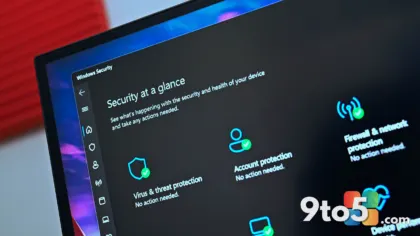
Previously restricted to devices with built-in biometric hardware like Copilot+ PCs, Windows Hello Enhanced Sign-in Security now supports external fingerprint sensors. Enhanced Sign-in Security isolates biometric processing in a secure memory space separate from the operating system, offering stronger protection than standard encryption. You can enable this feature by going to Settings > Accounts > Sign-in options. This expansion is particularly relevant for enterprise users and professionals who rely on docking stations or external peripherals for their daily workflows, ensuring that security standards remain consistent regardless of hardware configuration.
#3 Touchpad and Voice Access Refinements
Touchpad users gain more control over gesture responsiveness. Under Settings > Bluetooth & devices > Touchpad, you can now adjust scroll and zoom speeds and enable accelerated scrolling, which increases sensitivity with repeated gestures. Additionally, Fluid Dictation in Voice Typing is now disabled by default, accompanied by explanatory tooltips to clarify its function.
Voice Access introduces a new Voice Isolation feature to improve speech recognition accuracy. Located under Settings > Voice Access > Improve speech recognition, this tool offers three modes: Voice Isolation (filters background noise and nearby conversations), Remove background noise only (suppresses typing or door sounds), and No filtering. This gives users in noisy environments better control over how their voice commands are processed, reducing false triggers and improving command reliability.
#4 File Explorer, Search, and Widgets Improvements
File Explorer now displays file sizes in appropriate units like KB, MB, and GB, rather than defaulting to kilobytes for all values. Middle-clicking the address bar or Home page now opens folders in a new tab, streamlining navigation. Microsoft has also patched a gray flash bug during loading and scrolling on the Home page and improved thumbnail quality in the Recommended section.
Windows Search now handles typos more effectively and supports two-character queries. App searches better recognize partial names, and the Settings app search ranks relevant options higher. On the Lock screen, only the Weather widget will appear by default, reducing distractions. Taskbar notification badges now use your current accent color instead of red, and the Account Control flyout in the Start menu features a redesigned badge showing your subscription status and OneDrive usage.
#5 Power Settings and Windows Update Enhancements
A significant change for power management is that customizations to display timeouts, sleep/hibernate timers, and lid actions now apply to all power plans, not just the active one. The option to set the battery percentage threshold for Energy Saver is returning to Settings > Power & battery. Windows Update provides more accurate progress estimates and improved post-update cleanup for better performance. Users will also notice enhanced system sounds in dark mode after installation.
What This Means for You
The ability to uninstall the Image Generation AI model marks a shift toward greater user control over local AI resources, addressing privacy and performance concerns. Expanding Enhanced Sign-in Security to external sensors bridges a gap for users who cannot rely on built-in hardware. The touchpad and voice access improvements cater to power users seeking precision and accuracy. However, the gradual rollout via Controlled Feature Rollout means you might not see all changes immediately. Microsoft recommends waiting a few days before installing on primary systems unless urgent security fixes are required.
How to Get the Update
The Windows 11 August 2026 Update will be available via Windows Update starting August 11. To check for it, go to Settings > Windows Update and select Check for updates. Ensure your system is connected to a stable network and has sufficient storage before proceeding. If you are managing a fleet of devices, IT administrators should monitor the Controlled Feature Rollout status in the Microsoft Endpoint Manager to track feature availability.
Source: Windows News: Updates, Security Patches, Microsoft OS Changes – gHacks
Over to you: Are you enabling Voice Isolation in Voice Access, or do you prefer the unfiltered microphone input?