The era of physical game discs appears to be drawing to a close. Sony has confirmed plans to stop producing PlayStation discs by 2028, while Microsoft’s upcoming ‘Project Helix’ console hints at a similar discless strategy for Xbox. This shift marks the end of an era for collectors, bargain hunters, and anyone who values tangible ownership.
#1 Sony halts PS disc production
Sony is moving forward with its plan to cease PlayStation disc manufacturing by 2028. This decision aligns with a broader industry trend toward digital distribution. The company has already taken steps that raise concerns about long-term access, including closing the digital stores for the PS3 and PS Vita.
Additionally, Sony recently withdrew ownership rights for digitally purchased movies for UK gamers due to ‘content licensing agreements.’ These moves suggest that holding a license is not the same as owning content. Once a store closes or a license expires, access can vanish overnight.
#2 Xbox’s Project Helix and the discless future
Microsoft is also rethinking its hardware strategy with ‘Project Helix.’ While it remains unclear if this next-gen console will support an external disc drive, executives are actively reconsidering production methods. This shift is partly driven by the ongoing RAM crisis, which has impacted Xbox Series X prices and supply chains.

The move toward a PC-like architecture suggests a future where digital downloads are the norm. If Project Helix ships without a disc drive option, it would cement Microsoft’s commitment to a fully digital ecosystem for its next generation of consoles.
#3 The end of second-hand savings and borrowing
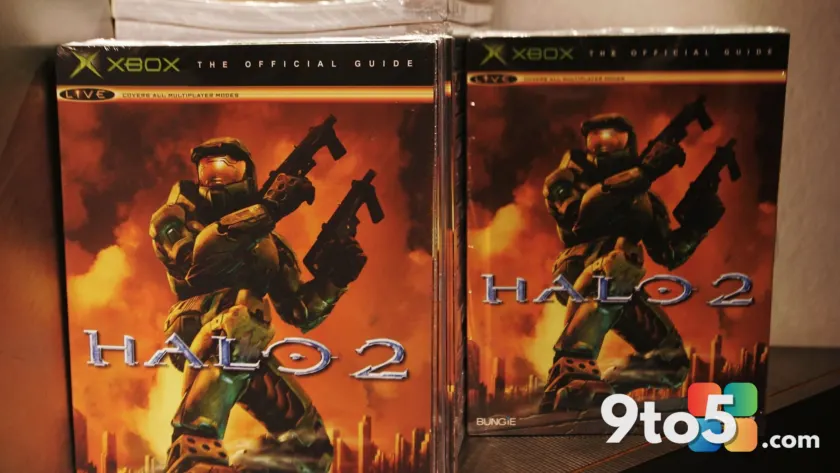
Physical media offers benefits that digital licenses cannot match. You can lend games to friends, sell them after finishing, or buy pre-owned copies at a discount. As physical discs disappear, these options vanish with them.
Nintendo is also shifting toward ‘Virtual Game Cards,’ which likely marks the last generation where borrowing cartridges is feasible. For budget-conscious gamers, the ability to resell games or share them with family members is a significant financial advantage that digital-only models remove.
#4 What this means for you
For everyday Windows and console users, the transition to digital-only gaming means relying entirely on platform holders. If a store shuts down, your library may become inaccessible. Unlike physical discs, which remain playable as long as the hardware works, digital licenses are subject to terms of service changes.
PC gamers on platforms like Steam face similar DRM concerns, though some stores like GOG still offer DRM-free options. However, even these require proactive backups. The loss of physical media removes a layer of security and consumer control that has existed for decades.
Source: Windows Central
Over to you: Do you worry about losing access to your digital game library if stores shut down, or do you prefer the convenience of digital-only gaming?