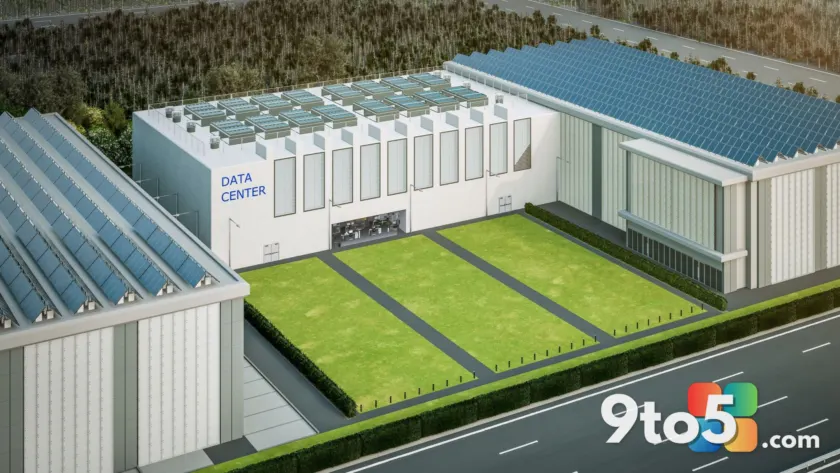
NVIDIA is asserting that the severe water consumption challenges facing modern data centers are effectively resolved by its upcoming hardware. During London Climate Week, NVIDIA Chief Sustainability Officer Josh Parker stated that “The water consumption challenge for data centers is largely solved.”
This claim comes as major tech companies face intense scrutiny over their environmental impact. For context, Microsoft and Google’s combined electricity usage in 2024 exceeded the power consumption of more than 100 countries. Additionally, reports indicate that OpenAI’s GPT-4 model can consume up to three water bottles worth of cooling resources to generate just 100 words.
How the new cooling system works
NVIDIA’s approach mirrors concepts previously discussed by Microsoft CEO Satya Nadella, who highlighted liquid loop systems that are filled once and recirculated. NVIDIA’s next-generation AI infrastructure utilizes a similar closed-loop design but with specific technical upgrades.
The system relies on a recirculated mixture of water and propylene, a substance comparable to automotive antifreeze. This fluid allows the infrastructure to operate at temperatures up to 113 degrees Fahrenheit. By running warmer, the system eliminates the need for additional chilling equipment that typically requires significant water input.
In practical terms, this means data centers equipped with this new hardware will require drastically less water and energy for cooling. The reduction in operational costs is significant, but the environmental benefit is the primary focus of NVIDIA’s announcement.
What this means for you
For everyday Windows users, these infrastructure changes happen behind the scenes, but they impact the sustainability of the cloud services you rely on. Whether you are using Microsoft 365, Azure AI features, or other cloud-based tools, the efficiency of the underlying data centers affects the long-term viability and environmental footprint of these services.
As AI adoption grows, the demand for computing power increases. Solutions like NVIDIA’s liquid cooling help mitigate the resource strain on local communities where data centers are built. We have seen pushback in regions like Kenya, where a proposed $1 billion Microsoft data center was halted due to concerns that its power demands would require “switching off half the country.”
By reducing both water and energy needs, companies like NVIDIA aim to make large-scale AI deployment more acceptable to local governments and residents. This shift could accelerate the rollout of advanced AI features without the accompanying infrastructure backlash.
Source: Windows Central
Over to you: Do you think tech companies should prioritize water-saving infrastructure even if it increases initial hardware costs?