If you have ever browsed the Windows system directories, you might have stumbled upon strange files with names like Focus0_48000Hz.raw. These unplayable audio files often raise questions about their purpose and safety. Let us explore what these Windows raw audio files actually are and why your system keeps them.
Understanding the .raw File Format
The .raw extension stands for a raw audio file, which contains unprocessed audio data. Unlike common formats such as MP3 or WAV, raw files lack metadata and headers. This means they cannot be played by standard media players without specific configuration. The name Focus0_48000Hz.raw suggests the file is linked to a focus feature and operates at a 48,000 Hz sample rate.
Why Windows Stores These Files
These files are typically generated by Windows audio drivers or system processes. They serve as temporary buffers for audio processing tasks. For instance, when your system adjusts volume levels or applies audio effects, it may create raw files to handle the data efficiently. Microsoft confirms that these files are part of the normal audio subsystem operation, according to Windows Insider documentation.
Are They Safe to Delete?
Generally, these raw audio files are harmless and can be safely removed if they accumulate excessively. However, deleting them might cause temporary audio glitches as the system regenerates them. If you notice performance issues or disk space concerns, you can clear these files from the C:\Windows\System32\DriverStore directory. Always ensure you have administrative privileges before modifying system folders.
What This Means for You
For most users, these files require no action. They are a normal part of Windows audio management. If you are an advanced user or troubleshooter, understanding their role can help diagnose audio issues. Regular system updates often optimize their usage, reducing unnecessary storage consumption.
How to Manage Audio Files Efficiently
To keep your system running smoothly, consider using built-in tools like Disk Cleanup. This utility can remove temporary audio files without affecting system functionality. Additionally, monitoring your audio drivers through Device Manager ensures they operate correctly, minimizing the creation of redundant raw files.
Conclusion
Mysterious .raw audio files in Windows are not a cause for concern. They play a vital role in audio processing and are safely managed by the operating system. By understanding their purpose, you can confidently navigate your system without unnecessary worry.
Source: Neowin
Over to you: Have you ever deleted a .raw audio file and noticed any changes in your system’s audio performance?
You may also like
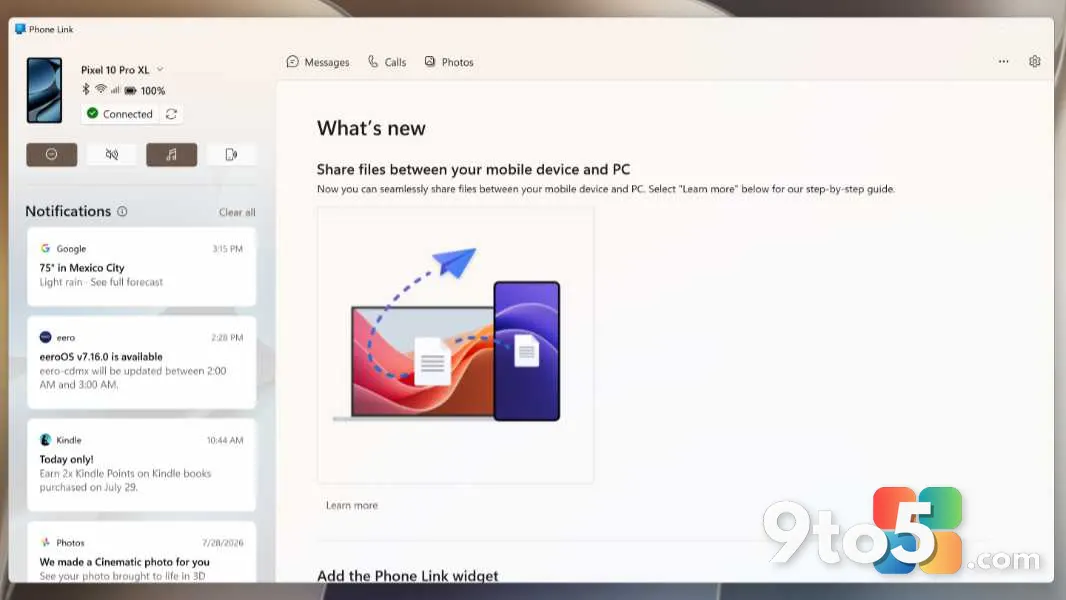 Phone Link in Windows 11: Your Phone, Your PC, Seamlessly Connected
 A Lifelong Linux User Switched to Windows 11, and It Wasn’t About Idealism
 Windows 11 Insider Preview Build 29634.1000 Adds Voice Isolation, GIPHY, and HID Braille Support
 Clipchamp in Windows 11: A Complete Guide to Microsoft’s Built-In Video Editor