It has been a busy week for Microsoft, with major milestones for its operating systems and noticeable shifts in its hardware pricing strategy. As we look back at the last seven days, three distinct stories stand out: the maturation of Windows 11, the lingering presence of Windows 10, and the rising cost of Xbox gaming.
Windows 11 turns five years old
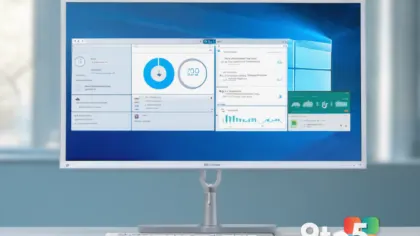
Windows 11 officially marked its fifth anniversary this week. Since its initial release in late 2021, the operating system has evolved from a controversial redesign to the standard interface for most modern PCs. The milestone highlights how deeply integrated the new Start menu, centered taskbar, and Snap layouts have become in the daily workflow of millions of users.
For many, five years is enough time to judge whether an OS shift was successful. With the recent push toward Copilot+ PCs and AI-driven features, Windows 11 is no longer just a visual update but a platform for next-generation computing experiences. The question now shifts from adoption to optimization as Microsoft looks ahead to future updates.
Windows 10 support extends
In parallel with the celebration of its successor, Microsoft continues to provide extended support options for Windows 10. While mainstream support has ended, enterprise customers and specific consumer segments can still access critical security updates through paid extension programs. This ensures that devices not yet ready to upgrade to Windows 11 remain secure against emerging threats.
This dual-track approach allows businesses to manage their hardware refresh cycles without immediate pressure. However, for individual users relying on free support, the window is closing. The extended support period serves as a final bridge before the complete transition to Windows 11 becomes mandatory for security compliance.
Xbox prices go up
On the hardware front, Xbox consoles are seeing price increases. This adjustment reflects broader economic pressures and supply chain dynamics affecting the gaming industry. Higher costs for components and manufacturing have led Microsoft to adjust retail pricing for both standard and premium Xbox models.
This move may impact budget-conscious gamers who were waiting for a price drop or bundle deal. As the cost of entry rises, the value proposition of subscription services like Game Pass becomes even more critical for consumers looking to maximize their gaming libraries without buying individual titles at full price.
What this means for you: If you are still on Windows 10, now is the time to evaluate your upgrade path before free support options vanish entirely. For gamers, keep an eye on bundle deals that might offset the higher console prices, and consider whether a subscription model fits your budget better than upfront hardware costs.
Source: Neowin
Over to you: Are you planning to upgrade from Windows 10 soon, or will you wait for the next major OS release?