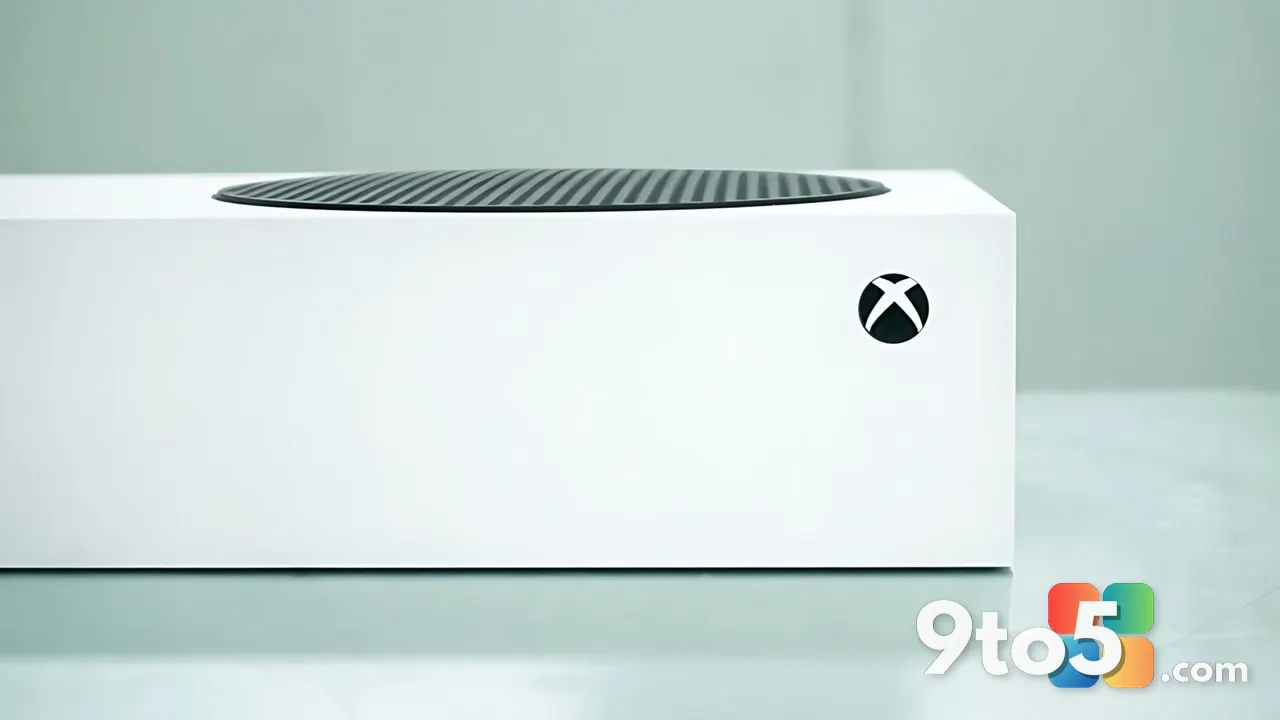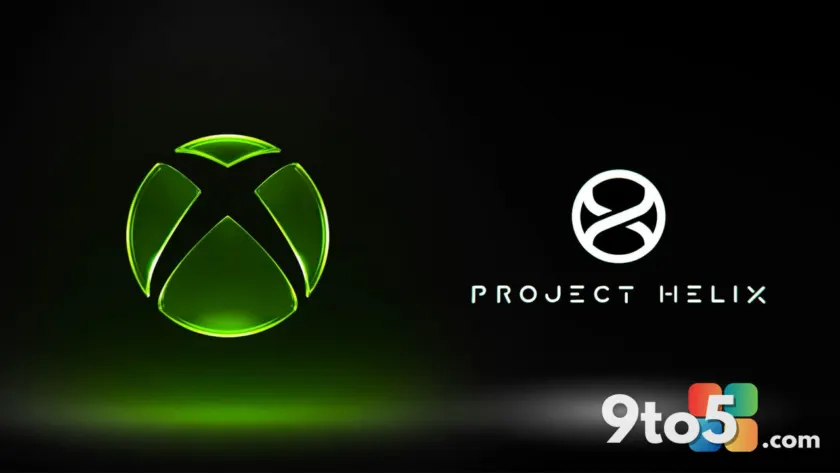
When former Xbox CEO Phil Spencer first teased the concept that would eventually become Xbox Helix, the pitch was unmistakable: a living-room PC that would seamlessly integrate the broader PC gaming ecosystem. He spoke openly about supporting platforms like the Epic Games Store, hinted at alternative storefronts, and positioned the device as a bridge between traditional console simplicity and the expansive library of Windows gaming. The vision was clear. Microsoft wanted to capture the massive install base of PC gamers while offering them a streamlined, couch-friendly experience backed by Xbox’s infrastructure.
Fast forward to 2026, and the landscape that once made that vision feel inevitable has shifted dramatically. The convergence of a severe memory supply crisis, a fundamental restructuring of Sony’s PC strategy, and hard data from the Xbox Ally’s user behavior has exposed critical flaws in the original open-console blueprint. What was once a straightforward path to an “always-on” gaming hub now looks like a complex economic puzzle that Microsoft’s leadership is actively trying to solve.
The Economic Reality of an Open Console in a Memory Crisis
To understand why the Steam integration model is under pressure, you first need to look at the hardware economics. The current generation of consoles has been battered by what industry analysts are calling the “RAMpocalypse.” Driven by insatiable demand for high-bandwidth memory chips from the AI and data center sectors, consumer electronics manufacturers have faced historically high component costs. This isn’t a temporary blip; it is a structural shift in the semiconductor supply chain that has permanently altered the cost basis for gaming hardware.
For years, the console business model relied on a simple equation: sell hardware at a loss or razor-thin margins, and recoup the difference through software sales, licensing fees, and subscription services like Xbox Game Pass. This subsidy model allowed Microsoft and Sony to price their devices accessibly while delivering powerful performance. But an open device like Xbox Helix, if it truly functions as a full Windows PC with unrestricted access to Steam and the Epic Games Store, breaks that equation entirely.
Consider the precedent set by Valve’s Steam Machine. Despite its cultural footprint, the Steam Machine was never a commercial success, largely because it had to be priced as a premium PC to remain viable. Without the ability to subsidize hardware through a closed software ecosystem, Valve had to charge over $1,000 for base models that were simultaneously less powerful than the Xbox Series X or PlayStation 5. The math simply did not work for consumers who wanted a console-like price point but also demanded full PC openness.
Today, with the RAMpocalypse inflating component costs across the board, that $1,000 price tag would likely need to be even higher to cover manufacturing expenses. For the average gamer, especially parents buying for younger audiences already entrenched in free-to-play ecosystems like Roblox, an “open” Xbox Helix priced like a high-end gaming PC is a hard sell. The device would effectively be a niche product for enthusiasts rather than a mass-market console replacement.
PlayStation’s Exit from PC Removes a Key Value Proposition
Under Phil Spencer’s tenure, Xbox pursued an aggressive strategy of cross-platform releases, bringing first-party titles like Forza and Hi-Fi Rush to PlayStation and PC. While this expanded Xbox’s reach, it also eroded the traditional reason many consumers chose one ecosystem over another. If every major Xbox title eventually lands on PlayStation, the argument for buying an Xbox console weakens considerably.
New Xbox CEO Asha Sharma has since reversed course, pulling Xbox exclusives off PlayStation and signaling a return to a more traditional first-party strategy. Simultaneously, PlayStation has announced plans to drop Steam and PC ports for its single-player titles entirely. Sony’s internal reasoning is straightforward: releasing games on PC trains consumers to wait for a cheaper, more powerful platform rather than purchasing a PS5 or PS6. It is a defensive move to protect the core console ecosystem.
This dual shift creates a fascinating paradox for Xbox Helix. In the original Helix pitch, the ability to access Steam meant users could play PlayStation’s back catalog, including exclusives like God of War and The Last of Us, without needing a competitor’s console. That was a compelling value add. But now that Sony is actively abandoning the PC platform, that advantage evaporates. Xbox Helix would no longer serve as a gateway to PlayStation’s library, removing one of the strongest arguments for an open device.
However, industry observers note that PlayStation’s PC presence has historically had a muted impact on overall market share. PC gaming continues to be dominated by Windows-exclusive titles, massive multiplayer franchises like World of Warcraft, and a thriving modding community that console ecosystems struggle to replicate. While the loss of Sony’s exclusives hurts the Helix narrative, it may not be the dealbreaker it initially appears to be. The real issue lies in the economics of hardware distribution.
Hard Data from the Xbox Ally Reveals User Behavior
The most telling evidence against an open Xbox Helix model comes from Microsoft’s own internal data regarding the Xbox Ally handheld. Launched as a direct competitor to devices like the ASUS ROG Ally and Lenovo Legion Go, the Xbox Ally provided Microsoft with a controlled experiment in how users interact with an open PC gaming device.
According to internal documents reviewed by Windows Central, approximately 75% of Xbox Ally owners also subscribe to Xbox Game Pass Ultimate or PC Game Pass. This is a strong attach rate, indicating that the subscription model successfully retains users within the Xbox ecosystem. However, the behavior of the remaining 25% tells a different story. Among non-subscribers who also own an Xbox console, roughly 25% made purchases on the Xbox PC store. But for non-subscribers who did not own an Xbox console, that figure plummeted to just 2%.
This data point is critical. It suggests that when users are introduced to Xbox hardware without the anchor of an existing console ecosystem, they overwhelmingly bypass the Xbox store in favor of Steam. They treat the device as a generic PC and gravitate toward the platform they already trust for game purchases, discounts, and community features. If Xbox Helix follows this pattern, Microsoft would struggle to drive software revenue from new users, forcing the company to rely entirely on hardware margins to stay afloat.
Given that Microsoft is already losing approximately $150 per Xbox Series X|S sold even after the planned August 2026 price adjustment, an open Helix with low software attach rates would be financially unsustainable. The device would need to be priced significantly higher to cover losses, or Microsoft would need to find a way to funnel users back into its ecosystem before they reach for Steam.
The Three Strategic Paths Forward
Faced with these economic and strategic constraints, Microsoft is likely evaluating three distinct approaches to the Xbox Helix launch. Each option carries significant trade-offs, and the chosen path will define the device’s market position for years to come.
Option 1: The Subscription Paywall
The first approach involves locking the open ecosystem behind a premium tier. Microsoft could offer a base Helix model that runs a curated, Xbox-controlled storefront, similar to Windows “S Mode,” and require a paid upgrade or subscription to unlock Steam, Epic Games Store, and other third-party clients. This would preserve the hardware subsidy model by ensuring all users remain within the Xbox ecosystem, at least initially. However, it risks alienating PC gamers who view platform openness as a core value, potentially positioning Helix as a walled garden rather than a true PC alternative.
Option 2: Strategic Revenue Sharing
The second option focuses on partnerships rather than open access. Instead of integrating Steam directly, Microsoft could negotiate revenue-sharing agreements with platforms like Epic Games, GOG, or Battle.net. These partners would integrate their clients into the Helix OS, but Microsoft would retain control over distribution and take a cut of software sales. This model keeps hardware costs lower while still offering access to major storefronts. It also aligns with the historical Xbox PC store approach, where platforms like Ubisoft Connect and Battle.net plug into the native client. The downside is that it may not satisfy hardcore PC gamers who prefer the autonomy of Steam.
Option 3: Full Openness at a Premium Price
The third and most radical path is to fully embrace the open PC model, accepting a higher price point and relying on cloud gaming to bridge the affordability gap. In this scenario, Xbox Helix would ship with full Windows compatibility, unrestricted access to all major storefronts, and a price tag likely exceeding $1,000. Microsoft would then lean heavily on Xbox Cloud Gaming to offer a more affordable alternative for budget-conscious consumers, effectively splitting the market between premium hardware owners and subscription-based streamers. While this preserves the original Helix vision, it risks repeating the Steam Machine’s commercial pitfalls.
What This Means for You
For everyday gamers, the implications of Xbox Helix’s evolving strategy are tangible. If Microsoft opts for a paywall or revenue-sharing model, you can expect a device that feels more like a modernized Xbox console than a true PC replacement. You will get seamless integration with Game Pass, optimized performance for Xbox titles, and a streamlined interface, but you will likely lose the ability to freely install and play games from other platforms without additional costs or restrictions.
Conversely, if Microsoft chooses the full-open route, you will get the PC gaming experience you were promised, complete with Steam, Epic, and GOG support. However, you should prepare for a higher upfront cost and potentially fewer launch-day discounts or promotions, as Microsoft will need to recoup hardware losses. In either case, the era of an “affordable, open” gaming console is likely over, replaced by a more segmented market where you must choose between ecosystem convenience and platform freedom.
What to Do While You Wait
If you are currently holding out for Xbox Helix, there is no need to make immediate changes to your gaming setup. The device is still in development, and Microsoft has confirmed that the AMD “Magnus” silicon is already in production. However, given the uncertainty surrounding its final form, it is wise to monitor the August 2026 Xbox Series X|S price hike and the broader PC gaming market trends. If you are heavily invested in Steam or Epic Games Store, you may want to wait for official confirmation of Helix’s storefront support before committing to a purchase. In the meantime, cloud gaming services like Xbox Cloud Gaming and GeForce Now continue to offer viable alternatives for playing a wide library of titles without upgrading hardware.
Source: Latest from Windows Central
Over to you: Which Xbox Helix launch strategy do you think Microsoft should pursue, and why?