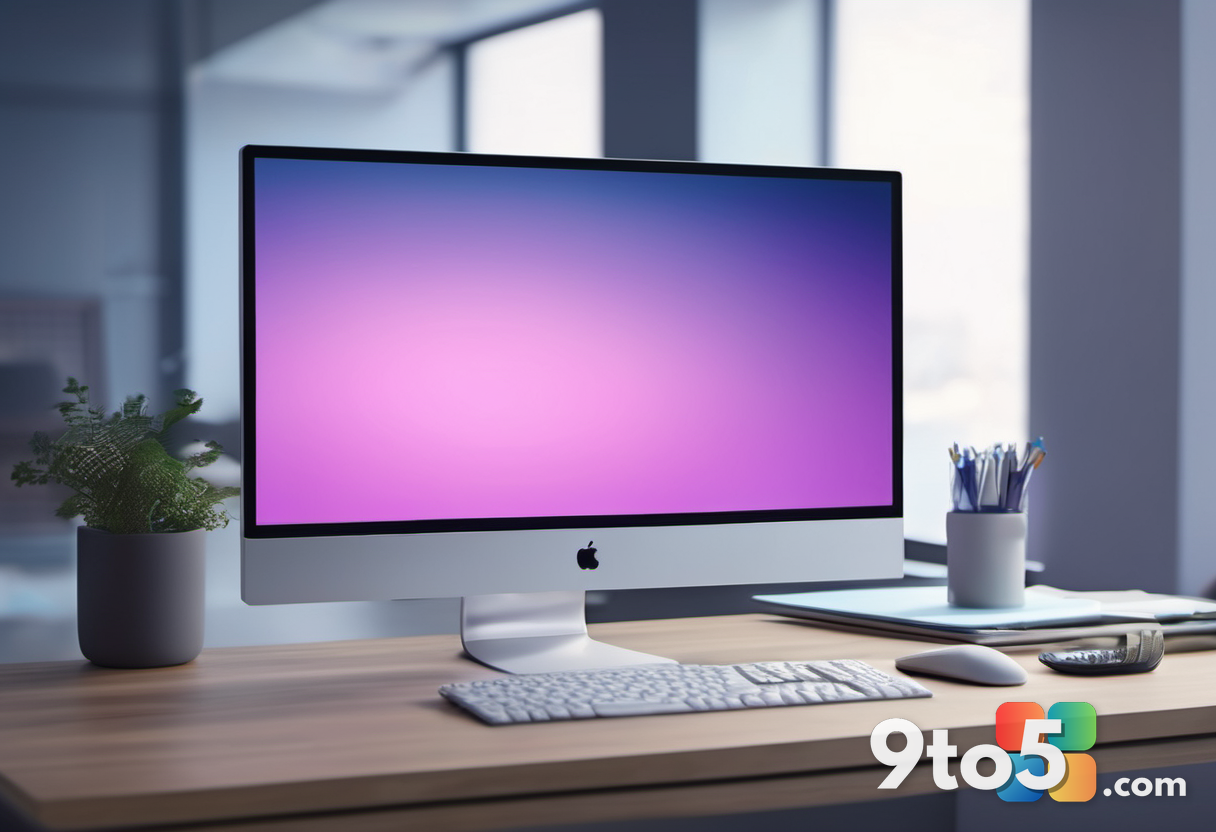
Nvidia and Microsoft recently launched a major push to redefine the personal computer market with a new category called “agentic AI PCs.” At Computex, Nvidia CEO Jensen Huang described these devices as a reinvention of computing after 40 years, introducing the N1X chip—a combined CPU and GPU designed specifically for this workload. Microsoft followed up at its Build conference, where Satya Nadella showcased the Surface Laptop Ultra AI PC, positioning it as a device capable of running an execution layer that can generate code and act across files without constant cloud reliance.
What is an agentic AI PC?
The term refers to computers equipped with sufficient local processing power—specifically neural processing units (NPUs) and strong GPU compute—to run AI agents directly on the device. These agents can perform complex tasks like reading files, conducting research, or managing workflows without sending data to the cloud. Nvidia demonstrated this with architectural design software split between the PC and cloud, while Adobe has reengineered Photoshop and Premiere to leverage these capabilities for faster performance.
Analysts see a familiar pattern
Despite the bold claims, industry analysts are skeptical. Leonard Lee, principal analyst at neXt Curve, called “agentic AI PCs” a strange term that should be deemphasized, noting that PCs from the last two generations are already capable of running these workloads. He pointed out that current AI PCs, including those with NPUs designed for features like Windows Recall, have been around for some time. Lee also noted that Apple’s Mac Mini is already being used to host personal AI agents and tools like OpenClaw, proving that Windows isn’t strictly necessary for agentic tasks.
Enterprise adoption faces Arm hurdles
For businesses looking to upgrade, the shift presents technical challenges. Nvidia’s new N1X processor is based on the Arm architecture, which differs from the x86 architecture used by Intel and AMD chips that dominate enterprise environments. Jack Gold, principal analyst at J. Gold Associates, warned that despite Microsoft’s improvements with Windows 11 on Arm, compatibility with legacy applications, drivers, and corporate systems remains a critical issue requiring extensive testing.
What this means for you
If you are an everyday user, the distinction between an “AI PC” and an “agentic AI PC” may not matter much right now. Most modern laptops with NPUs can already handle local AI tasks. However, if you are in IT or considering a business upgrade, be cautious about rushing to adopt Arm-based hardware like the RTX Spark PCs until compatibility issues are fully resolved. As Lee suggested, it might be a better time to simply upgrade older Windows 10 devices rather than chasing the latest marketing buzzwords.
Source: Computerworld
Over to you: Do you think ‘agentic AI’ is a meaningful upgrade over current AI PCs, or just marketing hype?