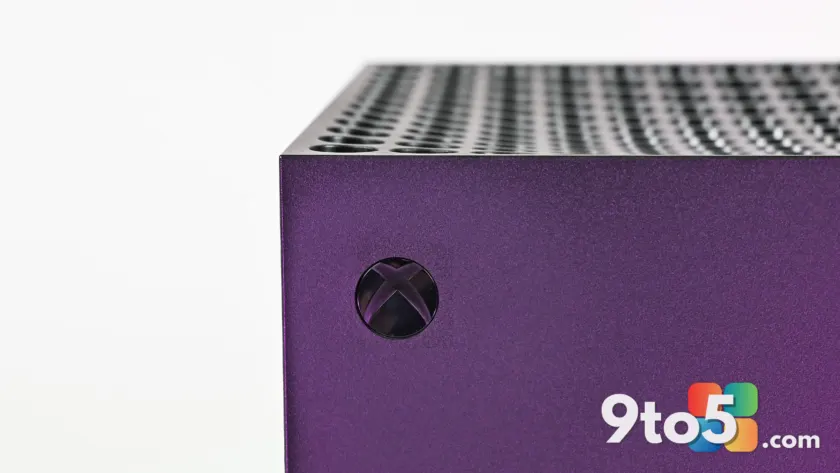
The debate over the future of gaming hardware is heating up. Sony recently confirmed it will end physical disc production by 2028, a move that has sparked significant backlash from gamers concerned about game preservation. With Microsoft’s Xbox reportedly moving in a similar direction, many are asking a fundamental question: what is the point of buying a console if you can no longer own physical media?
The erosion of console advantages
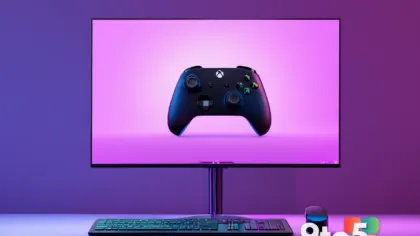
Historically, consoles offered two main benefits over PCs: ease of use and a lower barrier to entry. However, those foundations are crumbling. Microsoft’s Xbox Mode for Windows 11 now transforms a standard PC into a streamlined, console-like experience right out of the box. Meanwhile, Valve’s SteamOS, running on devices like the Steam Deck and the upcoming Steam Machine, provides a smooth, curated interface that rivals any proprietary console UI.
Beyond software, the hardware gap is closing. Next-generation consoles from Sony and Microsoft are expected to launch at or above $1,000, driven by rising component costs that aren’t expected to ease until early 2028. At that price point, consumers are paying PC-tier money for closed ecosystems that restrict ownership, require subscriptions for online play, and lack the ability to resell games.

PC gaming offers tangible perks
The Steam Machine, launching at $1,049 for the base model, illustrates this shift. While pricey, it sold out quickly because it offers a refined living-room experience without the restrictions of a traditional console. Users get free online multiplayer, access to multiple storefronts, deep sales on both new and legacy titles, and the freedom to use the device as a general-purpose computer.
Ownership is another critical differentiator. On PC, platforms like GOG ensure that games remain in your library permanently, even if they vanish from the storefront. This contrasts sharply with console ecosystems, where store closures (as seen with PS3 and PS Vita) can render digital libraries inaccessible. While Xbox has made strides in backward compatibility, it still doesn’t match the preservation capabilities of PC gaming.

What this means for you
If you are considering a next-gen console, weigh the costs carefully. You may be investing in a device that will eventually become obsolete or restricted by server shutdowns. In contrast, a gaming PC allows you to upgrade components, switch storefronts, and preserve your library indefinitely. As consoles blur the line with PCs—such as Microsoft’s Project Helix, which aims to function more like a Windows 11 machine—the argument for buying a locked-down box becomes harder to justify.
The console market isn’t disappearing overnight, but the value proposition is shifting. Unless next-gen consoles offer exclusive experiences that cannot be replicated on PC, many gamers may find that building or buying a gaming PC is the smarter long-term investment.
Source: Windows Central
Over to you: Would you switch to a PC if it meant keeping your game library forever, or do you prefer the simplicity of a console?