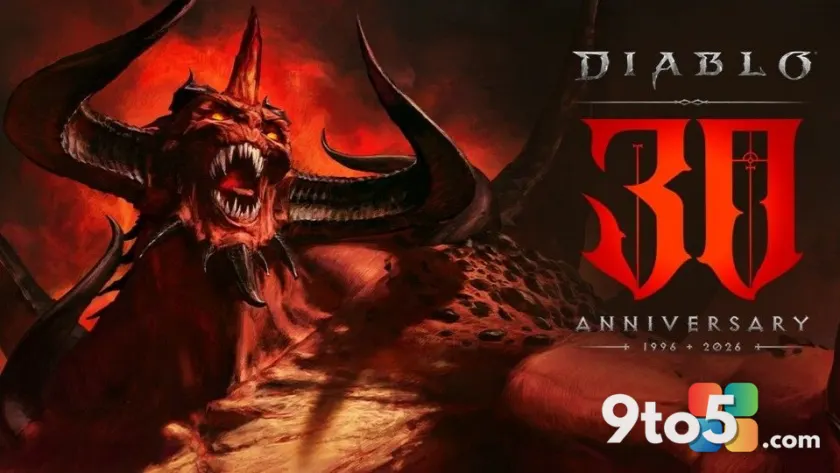
The Royal Festival Hall in London recently hosted the Diablo Infernal Symphony, a live orchestral performance celebrating three decades of the franchise’s music. Ahead of the event, we spoke with Charlotte Pyle, Principal Audio Producer, and Derek Duke, Music Director at Blizzard Entertainment, about the evolution of the series’ soundtrack.
Blending film industry expertise with gaming legacy
The team behind Diablo’s audio comes from diverse backgrounds. Pyle joined Blizzard nine years ago after working in the film industry, initially contacted for a cinematic sound role before being asked to lead music production. Duke has been with the studio for roughly 25 years, starting as a contractor writing music before becoming a full-time cornerstone of Blizzard’s musical identity.
Defining Diablo as Blizzard’s darkest franchise
Duke described Diablo as the studio’s “M for Mature” title, noting its heavier, gothic atmosphere compared to the brighter, neoclassical style of World of Warcraft. The team draws inspiration from a wide array of music and film genres rather than limiting themselves to horror tropes, aiming to create a sense of dread that permeates every game session.
Global collaboration in modern game development
Technological advancements have allowed Blizzard to collaborate with musicians worldwide. For Diablo 4, the team worked with vocalists and instrumentalists from locations ranging from Canada to Los Angeles. Pyle emphasized that the music team is embedded early in the development cycle, reviewing concept art and narrative storylines as soon as they emerge to ensure thematic consistency.
Translating digital scores to live performance
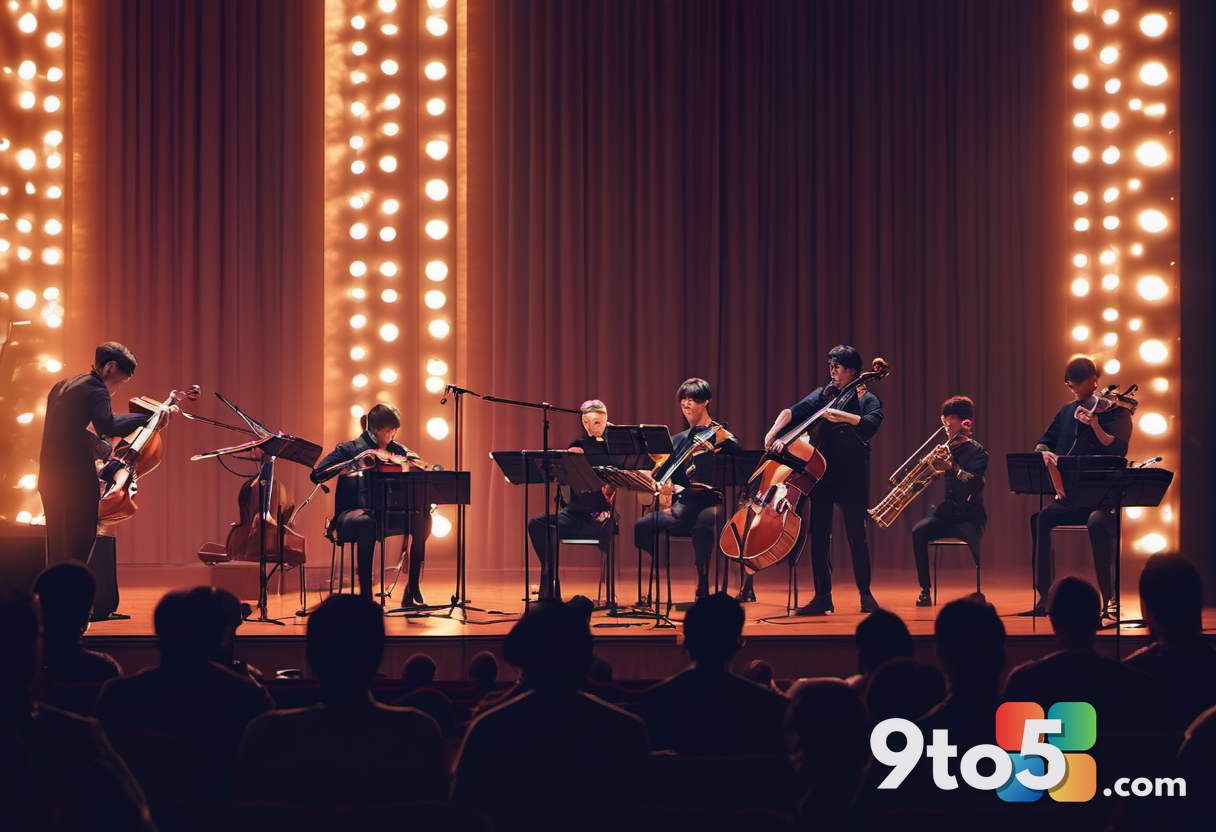
The Infernal Symphony required specific arrangements for live performance rather than simply playing back digital files. Four soloists from Diablo 4 flew in to perform, with the entire concert captured in one take without stops or second takes. This approach highlights the human element of the soundtrack, showcasing how the choir and orchestra carry the weight of the game’s gothic horror.
Preserving legacy while evolving the sound
A key focus for the team is maintaining a connection to the past while pushing the franchise forward. Duke noted that they are always conscious of keeping the legacy present, weaving familiar motifs like the 12-string guitar theme from Diablo 2 into the newer, more expansive scores of Diablo 4. This balance allows new players to experience fresh music while giving long-time fans a sense of continuity.
What this means for you: If you’ve been playing Diablo 4, you might notice subtle callbacks to earlier games in the soundtrack. The team’s dedication to blending old and new ensures that the audio experience feels both nostalgic and innovative, enhancing immersion whether you’re a veteran or a newcomer.
Over to you: Do you notice specific musical callbacks from older Diablo games in Diablo 4, or does the new soundtrack feel entirely distinct to you?