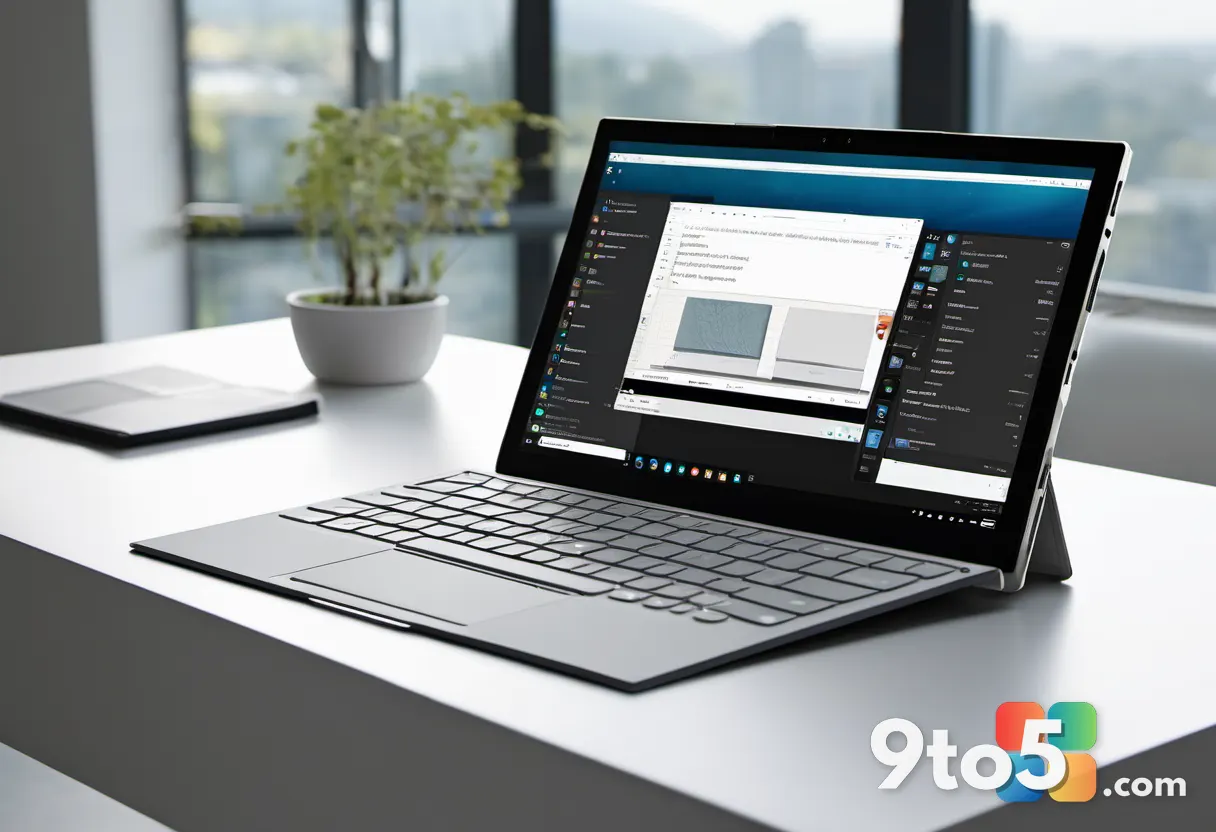
Microsoft published a blog post on its Microsoft 365 Blog titled “Building the system for AI at work,” and it opens with a deliberately literary line: there is “no shortage of sound and fury in AI right now.” That single sentence does a lot of work. It acknowledges that the AI industry is drowning in hype, bold claims, and competing demos, and it positions Microsoft’s own effort as something meant to cut through that noise.
What the post is actually signaling
Based on the title and the framing alone, the post is not announcing a specific new feature or product. Instead, it reads as a strategic statement about how Microsoft intends to approach enterprise AI. The phrase “building the system” suggests a focus on infrastructure, reliability, and integration — the unglamorous backbone that lets AI tools actually function inside a business — rather than on flashy one-off capabilities.
That distinction matters. In the enterprise world, the hard part of AI has never been the model itself. It is connecting that model to real data, real permissions, real security policies, and real workflows without breaking anything. Microsoft’s framing points squarely at that problem, and it aligns with a broader industry shift away from AI novelty toward AI that IT teams can actually trust and govern.

Why AI at work is different from AI at home
The consumer AI market is full of standalone chatbots and creative tools. The workplace is a different beast entirely. Employees expect AI that understands their organization’s documents, respects access controls, integrates with the tools they already use, and behaves predictably. Getting there requires a foundation that most companies cannot build from scratch on their own.
This is where Microsoft’s existing ecosystem comes in. The company already sits on top of a massive stack of workplace tools — Microsoft 365, Teams, Outlook, and a growing Copilot layer layered on top of each. The “system” it is building is essentially about making that entire stack AI-ready as a whole, rather than bolting AI onto individual products one at a time.
It is worth noting that the post is brief and largely thematic. We should treat the specifics as Microsoft’s stated direction rather than a detailed roadmap. The company has not, in the excerpted content, laid out exact timelines, pricing, or named features, so any claim of a specific release date would be speculation.
What this means for you
For everyday Windows and Microsoft 365 users, the practical takeaway is that Microsoft is treating AI as a platform problem, not a novelty. If you already rely on Microsoft 365, the goal appears to be for AI features to arrive as a natural extension of tools you use daily — with the security and governance expectations that businesses demand.
It also means you should expect a steady trickle of Copilot-related updates across products rather than a single big reveal. The emphasis on “the system” implies ongoing work under the hood: better integrations, tighter security, and more reliable behavior across the suite. In practice, that is often more valuable than a headline-grabbing feature that arrives half-baked.
How to stay on top of it
Microsoft publishes these strategic updates on its Microsoft 365 Blog, so if you want to follow the company’s AI-at-work direction, that is the primary place to watch. As the platform matures, look for follow-up posts that translate this high-level vision into concrete features, availability dates, and rollout details.
Until then, the safest approach is to treat these announcements as directional signals. They tell you where Microsoft is heading, but they are not a substitute for the detailed, product-level updates that actually change your day-to-day experience. Watch for the next wave of announcements to see how much of this “system” thinking turns into something you can click on.
Source: Microsoft 365 Blog
Over to you: Do you think focusing on reliable AI infrastructure beats chasing the flashiest new AI feature — or would you rather Microsoft ship something bold and fix it later?