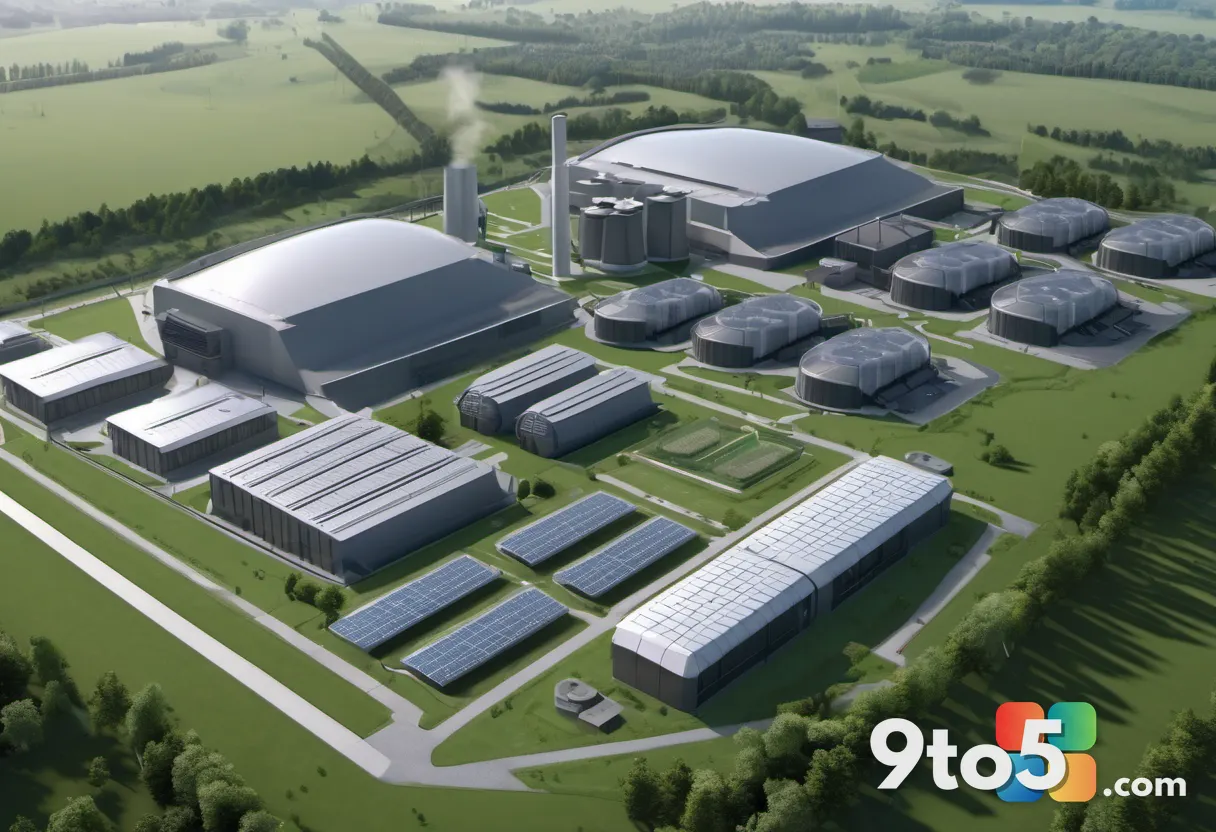
Residents of Leeds are making their opposition to a planned Microsoft data center impossible to ignore, with local activists and a sitting Member of Parliament joining a march to halt the project. The demonstration brought together community groups and Labour MP Richard Burgon, focused on two recurring flashpoints in the battle over new data-hub construction: water usage and noise.
Who is behind the march
According to the report, the demonstration was co-led by Richard Burgon, the Labour MP for Leeds East, alongside a coalition of local activists pushing back against the upcoming data center build. His involvement lends political weight to what might otherwise have been a neighborhood-level objection, signaling that the concerns have grown significant enough to raise at a national level.
As the elected representative for the area, Burgon’s participation is a strong indicator that the campaign is aiming to keep sustained pressure on both Microsoft and the local planners who would ultimately decide on the development. When a community brings its MP into a planning fight, it typically means residents feel ordinary channels of feedback haven’t been enough to be heard.
The water and noise concerns
The two headline grievances are straightforward, but each carries real weight for people living near a facility of this scale.
Water usage. Data centers are energy-intensive, and a large share of that power goes into cooling the servers so they don’t overheat. Many facilities rely on evaporative cooling towers, which consume substantial quantities of water as it evaporates to pull heat away from the hardware. In areas that have already faced water stress, residents worry that a major new consumer could strain local supplies at exactly the wrong moment, especially during dry spells when every drop counts.
Noise. The same cooling equipment, along with backup generators and the steady flow of delivery trucks, produces a constant low-level hum that can bleed into nearby homes. For communities that have so far been quiet, that kind of industrial soundtrack is often the most immediate and daily complaint, and it is one that planning officers frequently weigh heavily when judging a proposal’s impact on local quality of life.

Microsoft’s data center expansion in context
This isn’t the first time Microsoft has drawn attention with large-scale infrastructure, and it won’t be the last. The company — along with its cloud and AI rivals — has been building data centers at an unprecedented pace, driven by soaring demand for the computing power behind services like Azure and generative AI models.
That demand has pulled Microsoft into communities around the world, many of which are unaccustomed to hosting industrial-scale tech infrastructure. The situation in Leeds mirrors debates elsewhere: local authorities often view data centers as a source of jobs and tax revenue, while residents raise questions about land use, energy draw, and environmental impact. It is a familiar divide between the economic promises of the AI boom and the everyday realities of living next door to the machines that power it.
Microsoft has, in the past, highlighted its own sustainability commitments as it markets these facilities — including public goals to replenish more water than it consumes and to source renewable electricity. Whether those promises satisfy a specific community depends heavily on local context, which is precisely why projects like this one keep generating friction even when the company points to its green credentials.
What this means for you
Even if you don’t live in Leeds, the underlying tension has wider implications. The AI and cloud boom is pulling Microsoft data centers into new regions, and the questions being raised here — about water, noise, and who gets to decide — are likely to surface in more neighborhoods as the industry keeps expanding. The technology you rely on daily has a physical footprint, and that footprint is increasingly landing in unexpected places.
For residents anywhere, the practical takeaway is that planning decisions about these facilities are rarely made in a vacuum. Public consultation periods, local representation, and organized community input can all shape whether — and how — a project proceeds. If a data center proposal ever comes up in your own area, those consultation windows are the moment to pay attention.
For now, the message from the Leeds march is clear: as Microsoft and other tech giants scale up, the communities hosting their hardware want a genuine say in the trade-offs.
Source: Neowin
Over to you: If a data center were proposed in your neighborhood, would you support it for the jobs, or push back over water and noise?
You may also like
 Why World of Warcraft Forever Is Adding Yet Another Elf Race, According to Blizzard
 Blizzard reveals World of Warcraft Forever, a Classic+ revamp of vanilla Azeroth
 ESPC 2026 Heads to Amsterdam: Microsoft Brings IT Community Together for AI-Focused Conference
 Warcraft 3 Forsaken Kingdom Expansion Launches Today for PC