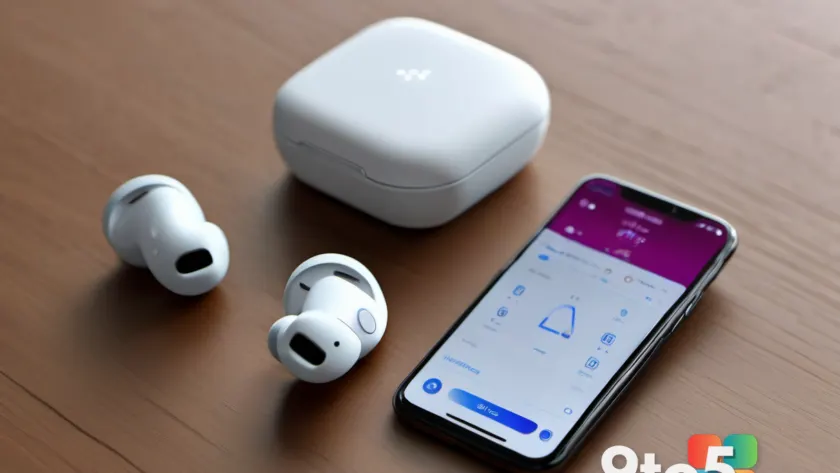
Rumors about Apple developing AirPods with built-in cameras have circulated for months, but a recent discovery inside a beta operating system has turned speculation into concrete detail. According to MacRumors, a short demonstration video was found embedded within the macOS 26.7 Release Candidate. This clip offers the first official look at how Apple intends to use these hidden lenses, introducing a feature called “Visual Intelligence” that allows Siri to interact with your physical environment in real time.
The leak suggests Apple is moving forward with the hardware despite earlier reports that privacy concerns might have shelved the project. The demo video, which appears to be a staged marketing clip, shows a user holding up a book for the AirPods to scan. The voiceover promises that “your world becomes saveable,” hinting at a system that can identify objects and retrieve information instantly. This discovery forces us to examine what Apple is building, how it plans to handle the sensitive data involved, and what this means for users and enterprises alike.
#1 The Visual Intelligence Demo
The video found in the macOS beta is brief but revealing. It depicts a man holding a book titled Could Should Might Don’t, How we Think About the Future by futurist Nick Foster. The AirPods’ camera captures the cover, and Siri immediately identifies the title and author. The voiceover then prompts the user to “ask me to save it for later,” showcasing a seamless bridge between the physical world and digital assistance.

This interaction highlights the core functionality of Visual Intelligence. Unlike previous voice assistants that relied solely on audio commands, this system uses ambient vision to understand context. The choice of book title is likely intentional, suggesting Apple is aware of the philosophical questions surrounding always-on cameras. The technology essentially turns your ears into a continuous scanning device, processing visual data to answer questions like “What is that sign?” or “Find that restaurant I saw yesterday.” While the demo focuses on books, the underlying capability points toward a broader utility for navigation, identification, and memory assistance.
#2 Privacy Safeguards and On-Device Processing
Given the intrusive nature of cameras in earbuds, Apple’s approach to privacy is the most critical aspect of this leak. According to reports, Apple has designed the system to avoid recording or saving ambient video without explicit consent. The data is believed to be processed directly on your iPhone rather than being sent to Apple’s cloud servers. This on-device processing likely occurs in real time, meaning the visual information is analyzed instantly and then discarded unless you choose to save it.
This architecture represents a significant shift from how some competitors handle similar data. By keeping processing local, Apple aims to mitigate the risk of mass surveillance or data leaks. However, the promise of “no saving unless requested” relies heavily on the software’s integrity. If the system is always recording to feed Visual Intelligence, the definition of “privacy” becomes nuanced. Users must trust that Apple’s “interrogation, not retention” model is functioning exactly as described, with no background caching or metadata storage that could be subpoenaed or exploited.
#3 Enterprise and Security Implications
The introduction of camera-equipped AirPods poses immediate challenges for corporate IT departments. In environments where confidentiality is paramount, such as law firms, hospitals, or defense contractors, the ability to discreetly photograph documents and blueprints is a severe security risk. IT administrators will likely need to implement strict policies to restrict or disable the camera functionality on company-managed devices.
Furthermore, the constant scanning capability raises questions about workplace monitoring. If employees can capture their surroundings without obvious indicators, it could lead to unauthorized documentation of sensitive information. Enterprises may need to develop new protocols for “camera-free zones” or integrate detection tools to identify when visual recording is active. The precedent set by Apple could also pressure other tech giants to follow suit, potentially standardizing privacy controls across the industry.

#4 A Broader Privacy Reset?
Some analysts suggest this leak represents Apple’s attempt to reset privacy expectations. By introducing the technology in a controlled, friendly manner, Apple may be trying to normalize the concept of ambient vision before it becomes ubiquitous. The company has historically positioned itself as a privacy champion, often fighting government requests for user data. However, the integration of always-on cameras tests this commitment in new ways.
The move also aligns with Apple’s broader strategy to expand Siri’s capabilities beyond audio. Visual Intelligence could serve as a stepping stone for future augmented reality glasses, where cameras are essential for overlaying digital information on the real world. Building trust with this less intrusive form of vision may be a prerequisite for consumers to accept more advanced wearable tech in the future. The question remains whether users will trade convenience for the peace of mind that comes with knowing their surroundings are not being constantly recorded.
What This Means for You
For everyday users, the Apple camera AirPods promise a more intuitive way to interact with Siri. You will no longer need to memorize book titles or product names; simply look at them, and Siri can provide details instantly. However, you must be comfortable with the idea that your earbuds are actively scanning your environment. If you value discretion and privacy, you may prefer to keep the cameras disabled or avoid using the feature in sensitive situations.
Enterprise users should prepare for new IT policies. Expect restrictions on camera-equipped devices in secure areas and potential requirements for audit trails if the feature is enabled. As Apple rolls out this technology, staying informed about privacy settings and organizational guidelines will be essential to avoid unintended data exposure.
Source: Computerworld
Over to you: Would you use Visual Intelligence on your AirPods if it meant your surroundings were always being scanned?