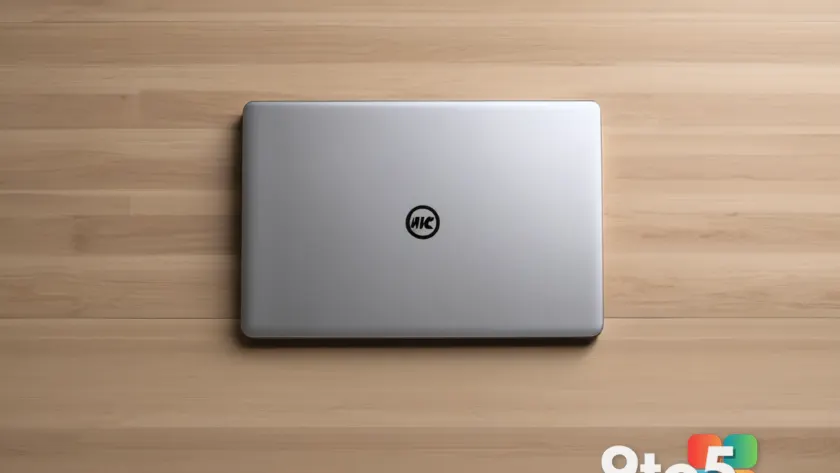
Lenovo is entering the budget laptop race head-on with the IdeaPad Vibe, and exclusive images obtained by Windows Latest show exactly how the company plans to compete. Where Apple’s $599 MacBook Neo relies on a four-color lineup to stand out, the IdeaPad Vibe arrives with seven distinct finishes. The timing raises questions, given the ongoing memory shortage and Microsoft’s recent Windows OEM licensing fee increase, but the hardware itself points to a clear strategy.
Design and Display
The chassis follows a clean, minimal approach that prioritizes function over flair. Thin bezels frame the display, while a centered webcam housing at the top includes a physical privacy shutter. The keyboard deck stays dark gray across every finish, contrasting with white key legends. Visible speaker grilles sit on either side of the keyboard, and a generously sized trackpad sits centered below it.
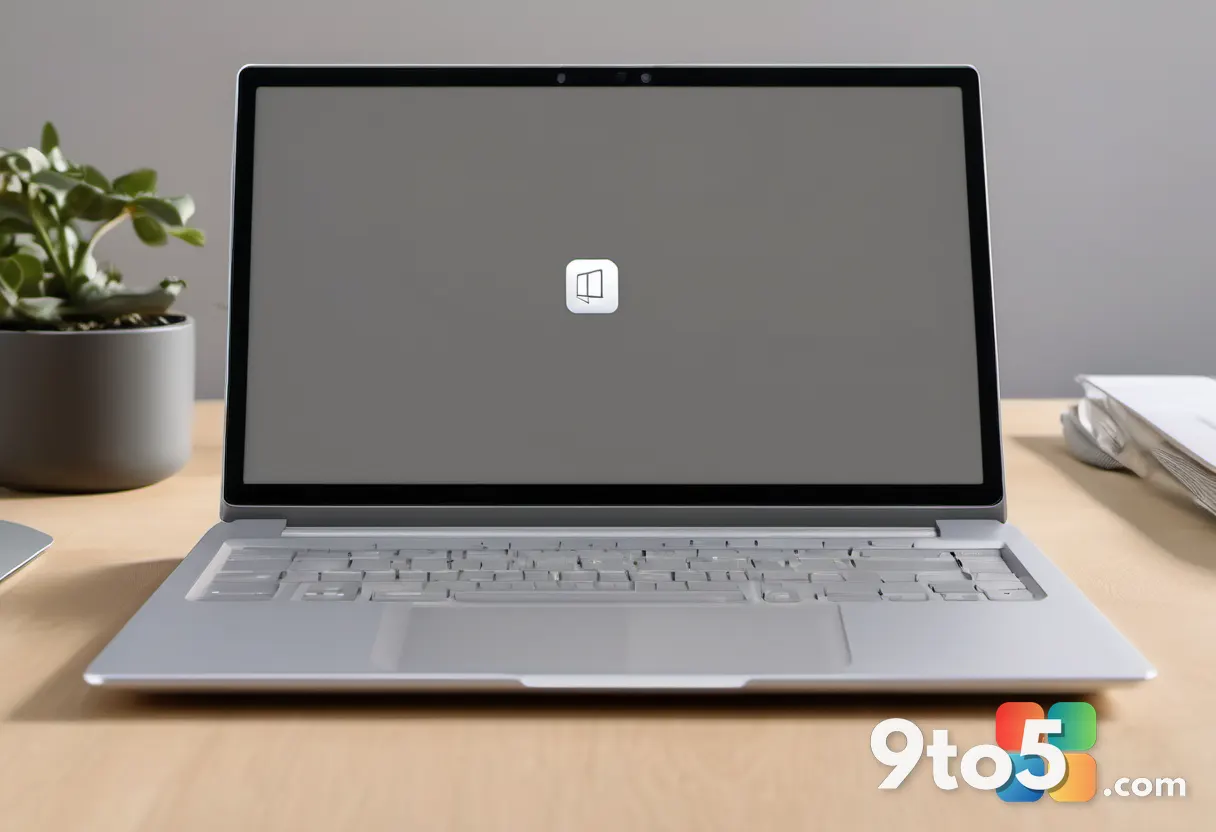
In practice, that dark deck choice matters. Unlike the MacBook Neo, which matches the keyboard area to the lid color, Lenovo keeps the typing surface consistent. That decision reduces visible wear over time and gives the device a more uniform appearance as the anodized finishes naturally scratch or fade.
Seven Colors and a Practical Port Layout
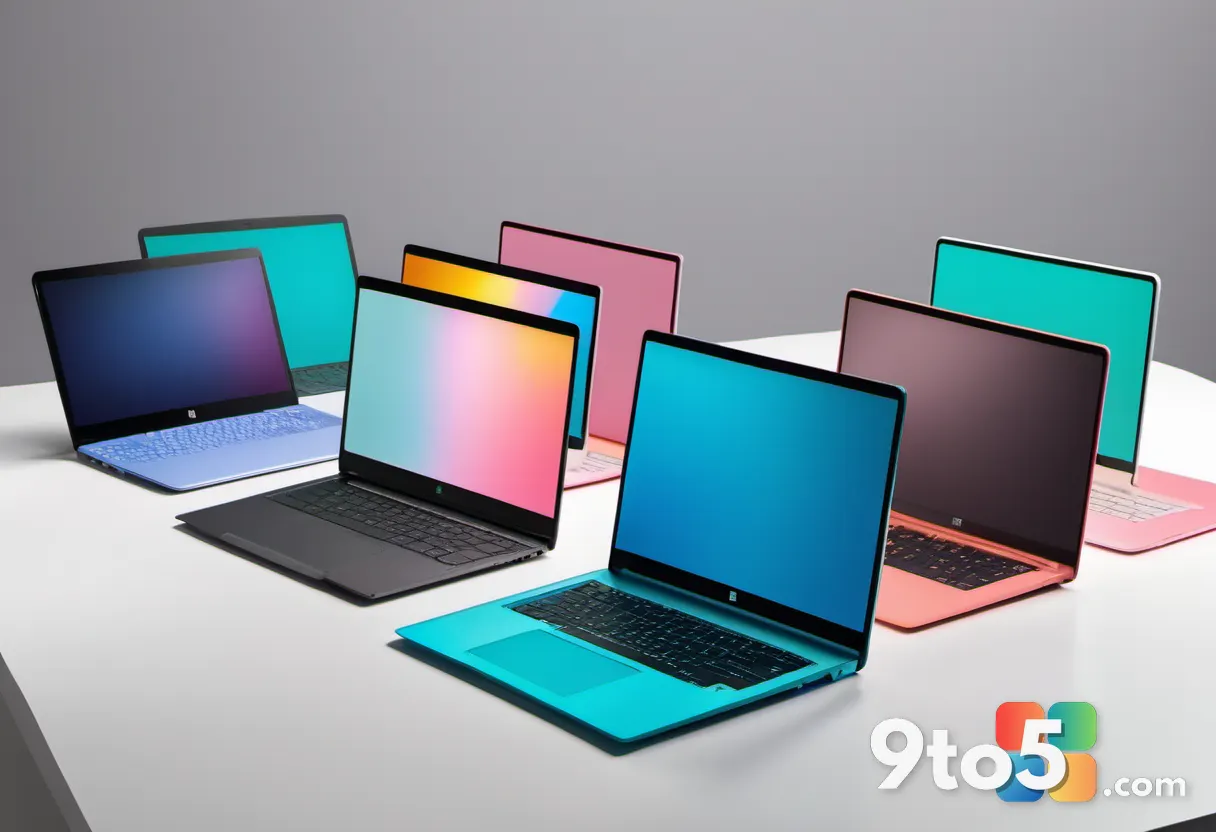
The color lineup is where Lenovo immediately separates itself from Apple’s entry-level machine. The available finishes include blush pink, bright yellow, terracotta orange-brown, sage green, navy blue, silver, and mint teal. Each lid carries the Lenovo branding in a matching tone-on-tone finish.
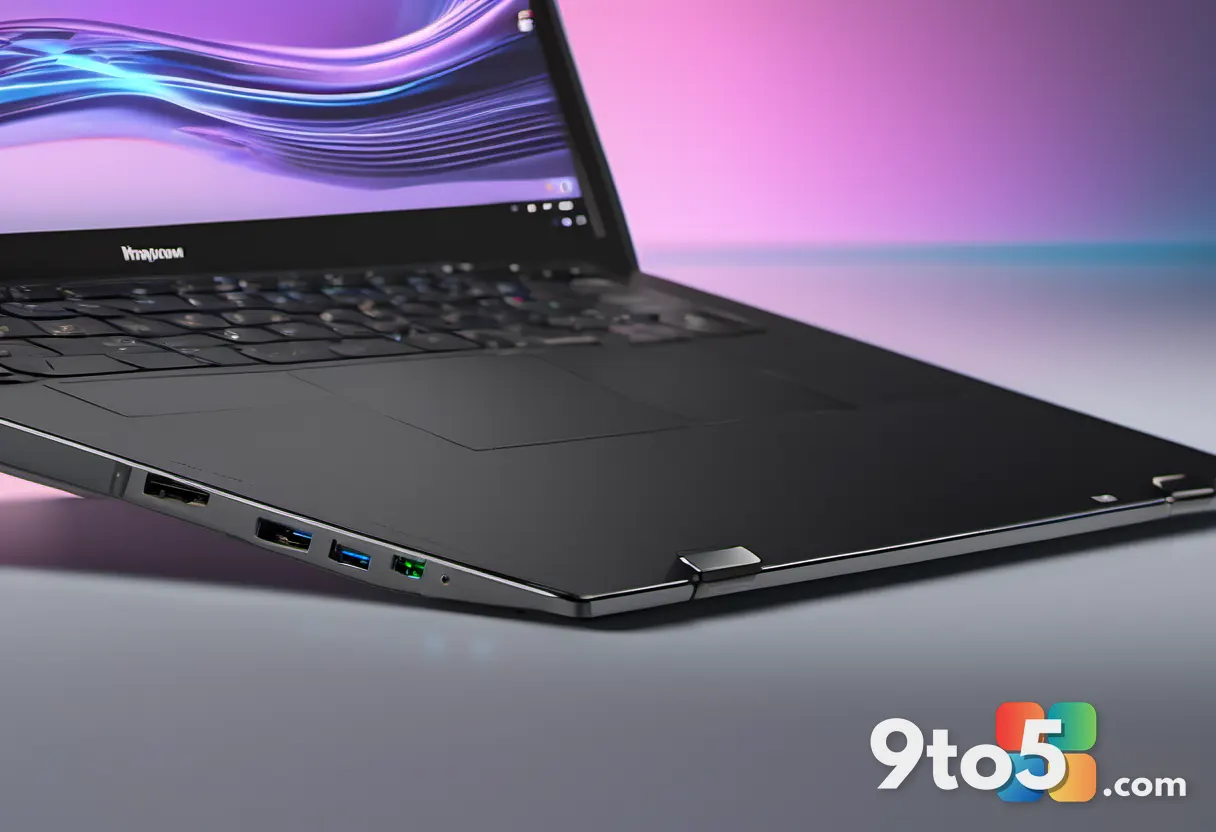
Port selection is where the hardware becomes genuinely practical for everyday use. The right edge houses two USB-A ports alongside the power button with a status LED. The left side carries an HDMI port, two USB-C ports, a headphone jack, and a microSD card slot. That layout removes the dongle dependency that plagues many modern thin-and-lights, especially when compared to the MacBook Neo, which ships with only two USB-C ports and a headphone jack.
Snapdragon and AMD Variants
Based on internal file naming conventions shared with Windows Latest, Lenovo is developing at least two processor configurations for the Vibe. One variant will run on a Qualcomm Snapdragon platform, while another will use an AMD chip. Exact model numbers and specifications remain unconfirmed, but the approach signals that Lenovo intends to cover both ARM and x86 buyers with the same chassis and color options.
Splitting the lineup across chip architectures is a calculated move. ARM-based Windows laptops have historically struggled with software compatibility and thermal expectations, while x86 options carry legacy performance baggage. By offering both under one design, Lenovo lets buyers choose their priority without sacrificing the aesthetic or port layout that defines the series. Admins managing a fleet will likely appreciate that the form factor remains identical regardless of the silicon inside, simplifying peripheral and dock compatibility.
What This Means for Budget PC Buyers
The broader context matters as much as the hardware itself. Back in March, ASUS CFO Nick Wu noted that Microsoft, Intel, and AMD were actively discussing how to compete with Apple’s $599 machine. The IdeaPad Vibe is the kind of response the Windows ecosystem needed, but it arrives during a rough stretch for the industry. A full-blown memory shortage has tightened supply chains, and Microsoft’s decision to raise Windows OEM licensing fees will likely push retail prices upward.
Bringing new colors to a laptop does not solve supply chain constraints, but it does address a market reality: the mass consumer segment responds strongly to personalization. After a year defined by component shortages and licensing shifts, the PC industry needs visible competition in the sub-$700 tier. Lenovo’s move keeps that pressure on Apple while giving budget buyers a reason to look past the usual gray plastic.
What to Do Next
Lenovo has not announced a launch date or confirmed pricing for the IdeaPad Vibe. Given the timing of the memory shortage and the OEM licensing adjustments, waiting for official specifications before placing an order is the safest move. If you are currently weighing the MacBook Neo against other sub-$700 options, the Vibe’s port selection and seven-color lineup make it worth tracking as details emerge.
Source: Windows Latest
Over to you: Will you stick with the MacBook Neo for its ecosystem integration, or would the IdeaPad Vibe’s port selection and color options sway you to Windows?