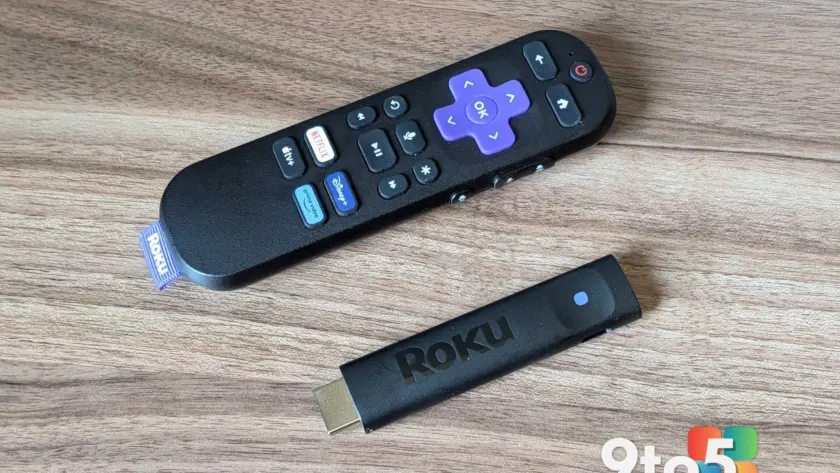
If you recently checked out the price of a new RAM stick for your desktop, you probably already know the story: memory that cost around $200 in 2024 is now approaching $900. The culprit is a production shortage driven by insatiable demand from artificial intelligence data centers, a squeeze that Samsung has warned will last through at least 2027, possibly into 2028. That shortage does not just impact high-end workstations and servers. It is rippling through every corner of the consumer electronics market, and the latest Roku price increase is just the newest evidence.
According to a report by PCWorld, Roku has officially raised the retail prices on its entire lineup of streaming devices. The hike spans from the entry-level Roku Streaming Stick all the way up to the premium Roku Ultra and the Roku Streambar SE. While the new prices are now listed on Roku’s website, the devices are currently still being sold at the previous rates. This strongly suggests that Roku is clearing out inventory built with components procured before the latest chip pricing adjustments took effect.
The Details Behind the Roku Price increase
For those tracking the exact numbers, the adjustments are significant across the board. The pricing changes, compared to an archived version of Roku’s product page from early July, are as follows:
- Roku Streaming Stick: $29.99 to $39.99
- Roku Streaming Stick Plus: $39.99 to $59.99
- Roku Streaming Stick Plus (Fox One bundle): $59.98 to $79.99
- Roku Streaming Stick 4K: $49.99 to $79.99
- Roku Ultra: $99.99 to $149.99
- Roku Streambar SE: $99.99 to $149.99
The Roku Streaming Stick 4K is taking the hardest hit, jumping 60 percent. Meanwhile, Roku-branded smart TVs appear to have escaped the immediate brunt of the hike. Because the display panel makes up the bulk of a TV’s manufacturing cost, those price fluctuations are harder to isolate, but current market sampling shows Roku smart TVs have not yet been adjusted.
Why the Hike? The AI-Driven Memory Crunch
The reason for the sudden sticker shock is straightforward. TheDesk.net confirmed with a Roku executive that the adjustments are directly tied to “shortages in computer memory and other components caused by the artificial intelligence rush.” When hyperscalers and AI startups buy up billions of dollars worth of DRAM and NAND for training large language models, the residual supply available for consumer electronics drops. Manufacturers are left paying spot market rates that reflect genuine scarcity rather than planned production costs.
Streaming devices might not seem like heavy memory users. Modern ARM-based chips are incredibly efficient at decoding video streams and running TV apps, even at 4K resolutions. However, even a modest 2GB or 4GB of RAM adds up when you are manufacturing millions of units and the per-gigabyte cost doubles. Those component costs eventually land on the retail shelf. Furthermore, the shortage is not limited to memory. NAND flash storage, which handles app caching and local recording features on devices like the Roku Ultra, has also seen supply chain strain. When multiple critical components rise in price simultaneously, the margin for error at the retail level vanishes.
What This Means for You
For everyday consumers, the immediate impact is a narrowing window for budget-friendly home theater upgrades. If you have been planning to replace an aging smart TV interface or add a streaming device to a secondary bedroom, waiting might cost you more. The current “old” pricing on Roku’s site is likely a clearing event for existing stock. Once that inventory is gone, the new baseline will apply.
Beyond the immediate cost, the shortage highlights a growing tension in the tech ecosystem. As AI workloads continue to dominate semiconductor demand, consumer hardware will likely face periodic volatility. This is particularly relevant for buyers who rely on dedicated streaming boxes to avoid the increasingly ad-heavy and privacy-invasive operating systems found on many smart TVs. While Roku’s own platform has faced criticism for ad density and tracking, it remains a preferred alternative for users who want a standardized, app-focused interface without the bloatware of native TV operating systems. The price hike forces a quick cost-benefit analysis: is the convenience of a dedicated streaming OS still worth the premium when the gap between it and a smart TV’s native software narrows?
How to Get It
If you need a new streaming device soon, the most practical move is to purchase while the legacy pricing is still active. Check major retailers like Amazon, Best Buy, and Roku’s official store for the pre-hike rates. If you are not in a rush, you could wait, but given Samsung’s warning that the memory shortage will persist through 2027 or 2028, there is no guarantee that prices will drop back to 2024 levels anytime soon. The semiconductor market is currently structured around sustained high demand, meaning component costs will likely remain elevated for the foreseeable future. For now, buying early at the old price is the only guaranteed way to avoid the full impact of the shortage.
Source: PCWorld
Over to you: Are you grabbing a Roku at the current prices, or waiting to see if the memory shortage eases?
You may also like
 Xbox CEO Four Priorities: Asha Sharma Details Strategic Reset in Internal Memo
 Sony physical media: PlayStation Confirms Discs End in 2028, Xbox ‘Positron’ Looms
 Microsoft Quietly Installs a Second Photos App That Wants You to Identify Faces
 Microsoft Admits Windows 10 End of Support Was the Real Windows 11 Sales Driver