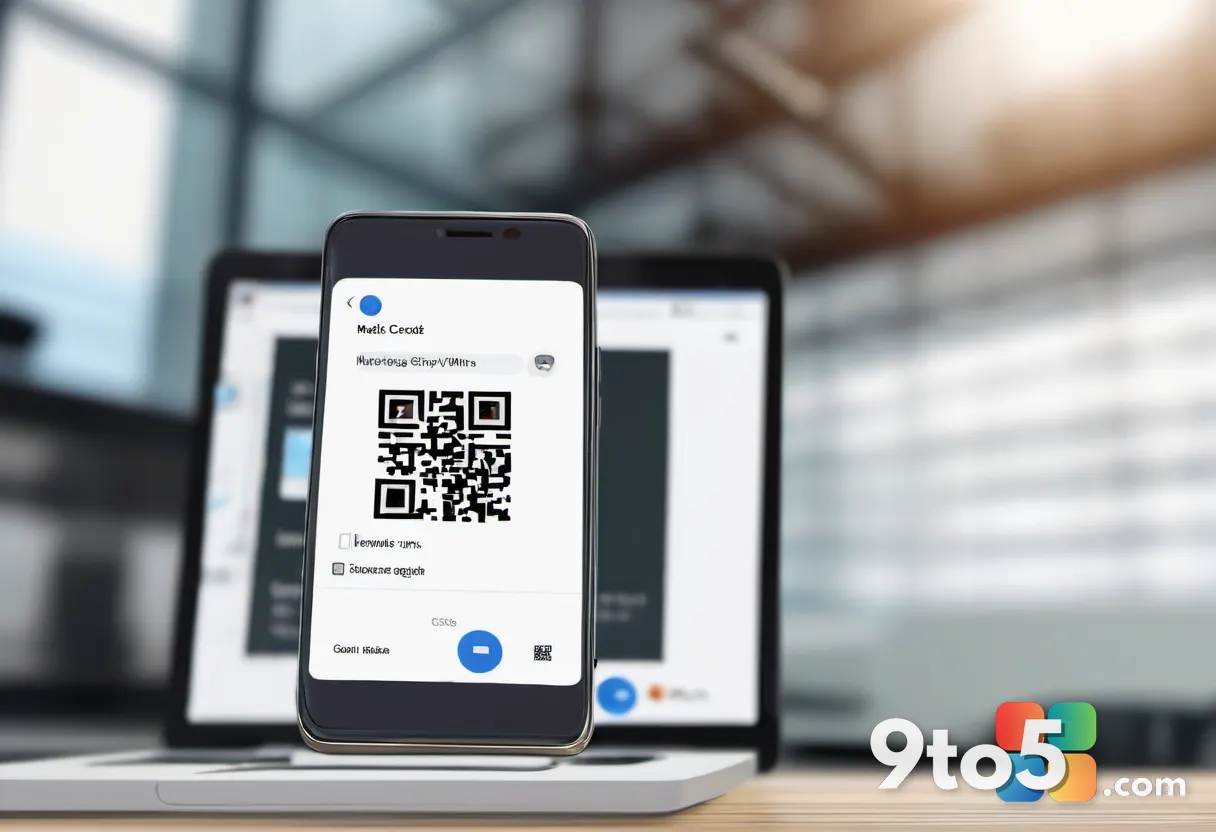
Apple has officially confirmed that iPhone-to-Windows clipboard sync is in active development, but the push for this interoperability did not come from a place of voluntary collaboration. Instead, the feature is the direct result of a Digital Markets Act (DMA) interoperability request filed by Microsoft with the European Commission.
According to reports first spotted by MacRumors and expanded upon by 9to5Mac, Apple has agreed to move forward with the necessary framework changes. This development marks a significant shift in how Apple handles cross-platform functionality, as the company has historically guarded its ecosystem integrations closely.
How Apple Plans to Enable the Feature
Apple’s approach to this interoperability request reveals a clever technical workaround that aligns with existing iOS architecture. Rather than building a dedicated cross-platform sync protocol, Apple stated it will introduce a new solution that follows patterns similar to the Accessory Notifications and Accessory Live Activities frameworks introduced in iOS 26.5.
In practice, this means Microsoft will need to register its Windows 11 clipboard service as a recognized “accessory” within Apple’s ecosystem. The system will notify a Microsoft extension whenever content is copied to the iPhone’s pasteboard. The extension can then utilize the Accessory Transport Extension framework to relay that data to the paired Windows PC.
If the feature ships as described, it will rely heavily on Apple’s AccessorySetupKit API. This framework requires explicit authorization from both the connected Windows PC and the iOS device to establish a secure handshake. This mirrors how Apple Watch or AirPods connect to an iPhone, treating the Windows machine as a secondary peripheral rather than a native operating system peer.
Microsoft’s Interoperability Request and Use Cases
Microsoft’s initial request to Apple outlined specific productivity scenarios that the company argued are essential for modern workflows. The tech giant emphasized that “cross-device copy and paste is a foundational productivity interaction that users expect to ‘just work’ across their primary devices.”
The documented use cases for this interoperability focus on seamless data transfer without manual intervention:
- Copying text or supported content on an iPhone and pasting it directly onto a Windows PC, and vice versa.
- Performing common productivity workflows without needing to foreground an app or take explicit repeated actions to initiate a transfer.
- Experiencing clipboard synchronization as a lightweight, continuous capability rather than a manual, app-driven operation.
Currently, third-party apps on iOS can only access the clipboard if the application is actively running in the foreground. Apple’s proposed solution effectively bypasses this restriction by routing data through a system-level transport layer, which is a notable concession given Apple’s strict privacy and security guidelines for iOS.
Timeline for iPhone-to-Windows Clipboard Sync and Regional Restrictions
While the confirmation is significant, users should temper their expectations regarding when the feature will actually become available. Apple explicitly described creating this interoperability as a “significant engineering effort,” noting that development will be complete by fall 2027.
After development concludes, the feature will enter a beta phase before reaching the general public. This timeline suggests that Windows 11 users will likely need to wait until 2028 or later for a stable, widespread release.
Furthermore, there is a strong possibility that the feature may initially be limited to users within the European Union. When forced to create features or expand them across platforms due to regulatory pressure, Apple has historically rolled out changes exclusively to EU regions first. While Apple has occasionally released improvements globally regardless of location, the DMA compliance route often triggers region-locked deployments to ensure the feature remains compliant with specific EU regulations.
This regional limitation would mirror Microsoft’s own approach to certain Windows 11 features, where the most customizable versions of the operating system are sometimes restricted to EU users due to greater control over preinstalled applications.
What This Means for You
For the average Windows 11 user, this development signals the end of the clipboard isolation that has long plagued cross-platform workflows. If you regularly copy links, addresses, or snippets of text on your iPhone to use on your desktop, this feature will eliminate the need for email drafts, messaging yourself, or using third-party sync apps.
However, the reliance on the AccessorySetupKit means the connection will likely behave more like a Bluetooth pairing than a native OS integration. You can expect a setup process that involves pairing your Windows PC as a trusted device, similar to how you would connect a new pair of headphones.
From a privacy standpoint, the system-level notification when content is copied provides transparency that current workarounds lack. You will know exactly when your clipboard data is being transmitted, rather than having an app silently harvest your pasteboard in the background.
How to Get It
Because this feature is being developed in response to a regulatory mandate, it will not be available through a standard Windows Update or iOS patch in the immediate future. The rollout will likely be tied to future versions of iOS, starting with a beta program for developers and early adopters.
If you are based in the European Union, you may gain access to the feature earlier than users in other regions. Microsoft will likely integrate the Accessory Transport Extension into a future update of the Phone Link app or a dedicated Windows 11 clipboard utility.
Until the feature launches, users who need immediate cross-device clipboard functionality should continue relying on established workarounds. Microsoft’s Phone Link app already supports basic file and notification syncing, while third-party solutions like Pushbullet remain viable alternatives for specific workflows.
Source: Latest from Windows Central
Over to you: Will you rely on the new clipboard sync once it launches, or do you prefer keeping your Apple and Windows devices completely separate?