Microsoft has finally conceded a point that independent reporters have tracked for nearly a year: the massive wave of Windows 11 adoption in 2025 was fueled almost entirely by the retirement of Windows 10, not by the allure of AI-powered hardware. During the company’s fiscal fourth-quarter 2026 earnings call, executives pointed to a high prior-year baseline that benefited directly from the Windows 10 end-of-life deadline, effectively pulling forward upgrades that would otherwise have happened naturally. This admission comes as Microsoft reported a staggering $90.0 billion in revenue for the quarter, significantly beating Wall Street expectations and sending shares higher, but it also highlights a growing disconnect between Microsoft’s AI PC marketing and the actual purchasing behavior of consumers and enterprises.
The Real Windows 11 Sales Driver
The earnings report included a direct quote that laid the groundwork for the entire discussion. Microsoft stated that Windows OEM and Devices revenue decreased by 7%, while Windows OEM revenue specifically fell by 5%. The company attributed this decline to lower PC market demand and a high prior-year comparable that benefited from Windows 10 end of support. In simpler terms, the growth Microsoft saw in 2025 was an artificial spike driven by a hard deadline, not sustained organic demand for the new operating system.
This financial reality check is significant because it validates the skepticism many users and IT administrators have held since Windows 11 launched. For years, Microsoft pushed the narrative that Windows 11 was a necessary evolution, citing security improvements, modern architecture, and AI readiness. However, the data now shows that the primary motivator for switching was simply the looming expiration of support for the previous generation. With the deadline passed and extended security updates now available, that artificial urgency has vanished, leaving Microsoft to rely on actual product improvements to drive future adoption.
AI PCs vs. Forced Upgrades
The tension between the AI PC narrative and the end-of-support reality is most visible in the actions of major OEMs. HP, for instance, continues to champion the AI PC story. Karen L. Parkhill, HP’s Executive Vice President and Chief Financial Officer, revealed during a May 2026 investor call that roughly 30% of HP’s installed base remains on Windows 10. Ketan Patel, President of HP’s Personal Systems business, framed that remaining 30% as a short-term opportunity, suggesting that the migration to Windows 11 would naturally accompany hardware refreshes.
Yet, Dell has already walked back much of its AI PC enthusiasm. At CES 2026, Dell announced it was scaling back its AI PC push to refocus on gaming, build quality, and display technology. Jeff Clarke, Vice Chairman and COO of Dell Technologies, openly admitted that Windows 11 adoption was running 10 to 12 points behind where Windows 10 had been at the same stage of its rollout. Dell’s decision to reinstate familiar product lines like XPS and Inspiron, rather than sticking to the simplified Dell Pro branding, signals that the company believes hardware fundamentals matter more than local AI features when convincing users to upgrade.
Windows 10 Support Extended to October 2027
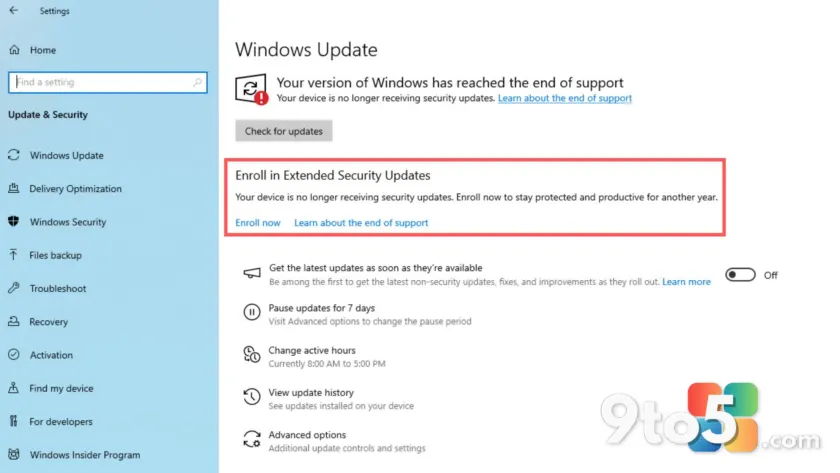
Recognizing the sluggish adoption rates, Microsoft quietly extended Windows 10 support by another year, pushing the final end-of-life date to October 2027. This extension was confirmed in an updated support document tracked via the Web Archive, and it comes with a new communication strategy. Instead of nagging users to install Windows 11, Microsoft is now sending emails to Windows 10 users reminding them that they can enroll in Extended Security Updates (ESU) for secure support for another year.
The ESU program, which allows users and businesses to continue receiving critical security patches for a fee, is being positioned as a legitimate option rather than a stopgap. This shift in messaging acknowledges that a significant portion of the user base is unwilling or unable to upgrade immediately. The extension also suggests that Microsoft is preparing for a potential further delay if adoption rates continue to lag, as some analysts have predicted support could stretch toward 2028 if the trend persists.
What This Means for You
If you are currently running Windows 10, the most important takeaway is that you no longer need to panic-upgrade to Windows 11 solely to avoid losing security updates. The October 2027 deadline gives you a clear window to evaluate whether Windows 11 actually meets your needs, whether for hardware compatibility, feature preferences, or performance. For businesses, the ESU program provides a predictable path to maintain compliance and security without forcing immediate hardware replacements. However, relying on ESU indefinitely is not a long-term strategy, as the program is designed to be temporary and costs typically increase annually.
How to Check Your Windows 10 Status
To determine your current support status, navigate to Settings > Update & Security > Windows Update and check for the latest version information. If you are enrolled in ESU, you will see a notification in the Settings app and receive periodic emails from Microsoft outlining your renewal options. For those considering an upgrade, ensure your hardware meets Windows 11’s requirements, particularly regarding TPM 2.0 and Secure Boot, before committing to the transition. The market is clearly signaling that upgrades will now be driven by genuine utility rather than forced deadlines.
As Microsoft heads into 2027, the company faces a pivotal moment. With the end-of-support tailwind gone and AI PC sales failing to meet initial projections, Satya Nadella’s promise to focus on “quality work” and fundamentals for Windows 11 appears to be the only lever left to pull. The data is clear: users upgrade when they see value, not when they see a deadline. Microsoft’s admission confirms that the era of driving adoption through expiration dates is over, and the next chapter will be won or lost on the actual merits of the operating system.
Source: Windows Latest
Over to you: Are you planning to stay on Windows 10 with extended support until 2027, or will you finally make the jump to Windows 11 this year?
You may also like
 Dungeons & Dragons Meets Azeroth: Everything We Know About the WoW Crossover TTRPG
 Gears of War E-Day Multiplayer Modes, Maps, and Launch Details Revealed
 Truck Simulator Games Just Fixed My Gaming Burnout After Years of Live-Service Fatigue
 Xbox Promises Return to Growth by FY27 as Leadership Addresses Fiscal Slump