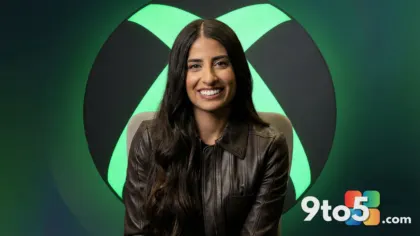
Microsoft recently unveiled its fiscal performance for the past year, revealing a mixed bag for its consumer divisions. While Azure AI services drove overall company success, both Windows and Xbox experienced material declines. In response, Xbox CEO Asha Sharma and Microsoft CEO Satya Nadella addressed investors and the public, outlining a clear path forward for the gaming division. They confirmed that Xbox will return to growth by the end of fiscal year 2027, acknowledging the challenges that led to the recent downturn and emphasizing a renewed focus on sustainable, player-centric strategies.
The Fiscal Year 2026 Performance Review
During the earnings call, Nadella emphasized the company’s confidence in its long-term strategy. “Regarding Xbox, we are making the necessary decisions in our portfolio, platform, and operations to restructure the business and ensure sustainable long-term growth,” Nadella stated. He highlighted the strength of Xbox’s first-party studios and its extensive library of titles, asserting that the company is well-positioned to capitalize on these assets. Sharma echoed these sentiments, noting that while Xbox attracted over 200 million new players in FY26, the business failed to grow alongside its expanding audience. This disconnect between user acquisition and revenue generation has become a central focus for Microsoft’s gaming leadership, prompting a strategic reassessment of how the platform converts its massive player base into consistent financial returns.
Identifying the Core Issues
Several factors contributed to Xbox’s performance last fiscal year. Industry analysts and insiders point to a lack of major tentpole releases as a primary driver. The previous year saw the massive success of Call of Duty: Black Ops 6, which set a high bar for franchise performance. However, Call of Duty: Black Ops 7 faced unprecedented competition from resurgent titles like Battlefield 6 and Arc Raiders. Additionally, ongoing debates regarding the game’s cosmetic skins and design choices impacted player sentiment and perception, further diluting its commercial impact.
Beyond the Call of Duty franchise, other major Xbox properties faced headwinds. Minecraft, which experienced a significant boost from its 2025 film adaptation, has not seen a comparable catalyst in 2026. Furthermore, the game faces increasing competition from platforms like Roblox, a challenge Microsoft is addressing by bringing Mojang Studios directly under Sharma’s leadership to streamline creative direction. Meanwhile, Candy Crush Saga, a cornerstone of Xbox’s mobile revenue, is under pressure from casual gaming competitors like Monopoly Go, highlighting the need for innovation across all segments of the gaming portfolio.
Strategic Shifts and Future Outlook
Despite these challenges, there are promising signs for Xbox’s future. Sharma and Nadella have granted the gaming division breathing room regarding accountability margins, allowing Sharma to focus on long-term growth rather than short-term profitability. This strategic patience comes at a cost, however, as Microsoft has implemented the largest layoffs in Xbox’s history. Studios are being reset to pre-pandemic staffing levels, a move designed to streamline operations, reduce overhead, and align resources with current market demands.
Looking ahead, Xbox is doubling down on its commitment to exclusive titles to drive hardware visibility. The upcoming Xbox Helix initiative represents a potential innovation in the traditional console business model, though it faces headwinds from the ongoing memory crisis affecting PC shipments. Additionally, the unexpected success of Call of Duty: Black Ops 1+2 on PlayStation 5 has opened new avenues for cross-platform engagement, suggesting that Xbox may adopt a more flexible approach to its biggest franchises. This shift could signal a broader evolution in how Microsoft monetizes its IP, balancing ecosystem loyalty with wider market reach.
What This Means for Xbox Players
For the average Xbox player, the immediate impact will be a period of transition. The restructuring efforts may lead to changes in how games are developed and released, with a potential focus on quality over quantity. The commitment to exclusives suggests that players can expect more unique titles tailored to the Xbox ecosystem, while the cross-platform success of certain franchises may lead to broader availability for future releases. Additionally, the breathing room granted to Sharma could result in more aggressive Game Pass pricing and content additions as the division prioritizes subscriber growth over immediate profitability. Players should also anticipate a more cohesive approach to cross-media storytelling, leveraging successes like the Fallout TV show and Minecraft movie to create unified entertainment experiences.
How to Keep Up with Xbox News
As Xbox navigates this pivotal period, staying informed is essential for players and industry observers alike. Microsoft’s upcoming events and direct communications from Sharma and Nadella will provide further insights into the company’s strategic direction. Following official Xbox channels and reputable gaming news sources will ensure you don’t miss updates on new releases, platform changes, and the broader gaming landscape. Additionally, monitoring industry reports from firms like Circana can offer valuable context on market trends and consumer behavior, helping players understand the forces shaping their favorite gaming ecosystem.
Source: Latest from Windows Central
Over to you: Do you think Xbox’s commitment to exclusives and restructuring will pay off by FY27, or does the market demand a different approach?
You may also like
 Microsoft Confirms AI Worm Spreads Through Copilot and Word Documents
 Microsoft Is Building a Copilot Super App With Multi-Model AI Support
 UK Regulator Probes Microsoft’s Copilot Subscription Tactics, Citing ‘Bait-and-Switch’ Risks
 Satya Nadella Confirms Major Windows 11 Quality Update Focused on Fundamentals