
While the broader US economy shed 23,000 positions in July, the technology landscape told a markedly different story. According to data released Friday by the US Bureau of Labor Statistics (BLS), employment in the tech sector rebounded with a net gain of 3,700 roles. This divergence highlights how artificial intelligence and cloud infrastructure investments are actively reshaping workforce demand, even as macroeconomic headwinds cool other industries.
Research firms tracking IT employment confirmed that July represented a strong month for hiring compared to June. CompTIA, which analyzed the BLS figures, noted that companies actively recruited across cloud hosting, information processing, data management, and semiconductor manufacturing. This targeted expansion suggests that capital expenditure on AI hardware is translating directly into personnel needs, particularly for roles that support data center operations and backend infrastructure.
Why tech sector jobs are defying the broader market downturn
The contrast between national headlines and IT hiring trends stems from a fundamental shift in where economic investment is flowing. Ger Doyle, regional president of North America at ManpowerGroup, described the current environment as one where opportunity is increasingly concentrated around specific skills and industries. In practical terms, this means that generalist IT roles may face stiff competition, while specialists in AI-adjacent fields are seeing unprecedented demand.
Data center hiring provides the clearest example of this trend. July figures show a 39% year-over-year increase in data center recruitment, fueled almost entirely by the need to house and power AI training clusters. This infrastructure build-out has created a ripple effect, spiking demand for ancillary roles such as heavy truck drivers, which surged 181% from June to July to handle hardware logistics.
Key hiring gains and sector breakdowns
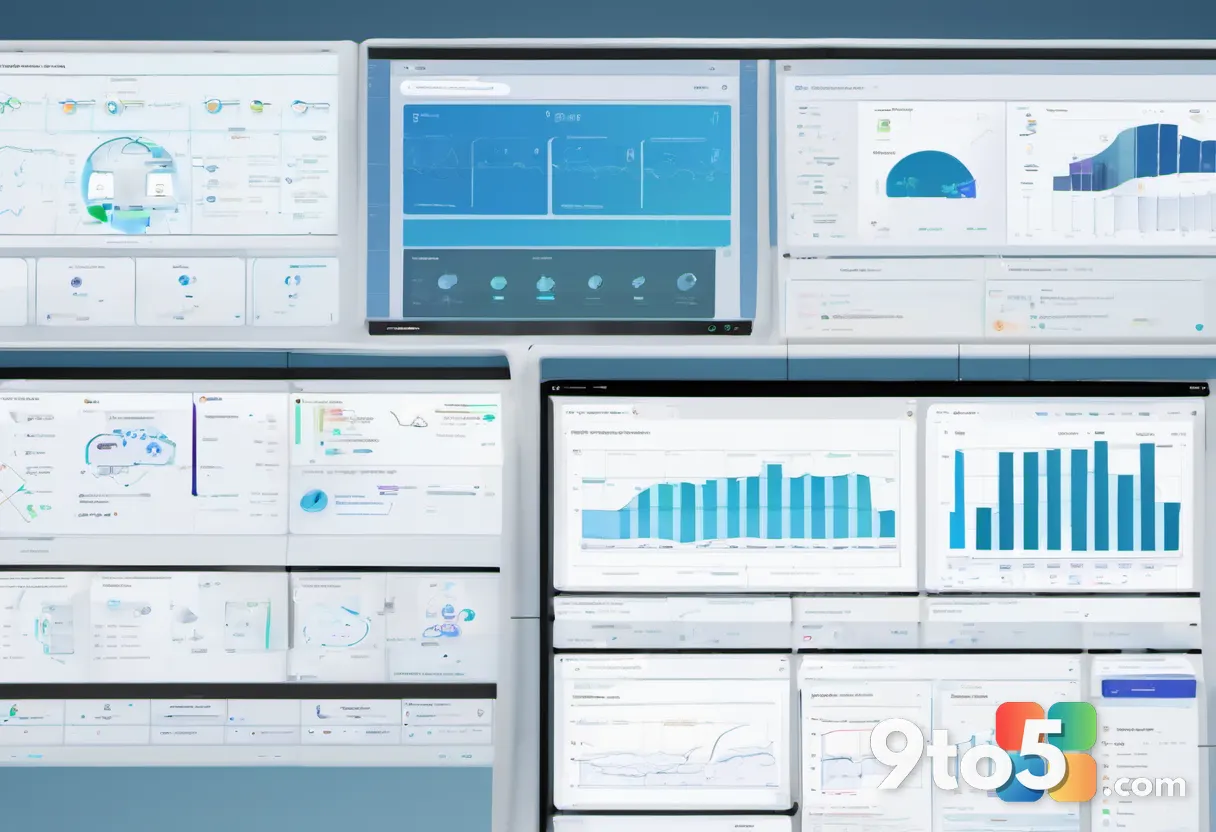
The BLS data breaks down the growth across specific industry categories. Employment within the “computing infrastructure providers, data processing, web hosting, and related services” sector rose by 2.4% month-over-month. Meanwhile, the “computer and electronic product manufacturing” category, which falls under broader manufacturing, saw a stronger 2.9% increase. These figures confirm that both the software/service layer and the physical hardware supply chain are expanding in tandem.
However, the gains were not uniform. The telecommunications sector continued its multi-year downward slide, shedding 1.5% of its workforce from June to July. This ongoing contraction reflects the industry’s long-term transition toward software-defined networking and automated maintenance, which reduces the need for traditional field technicians.
CompTIA also highlighted a sharp rise in specialized listings, reporting approximately 14,000 new job postings in July that explicitly required AI and machine learning skills. This metric underscores that employers are not just looking for general IT support; they are actively building teams to deploy, manage, and maintain generative AI systems at scale.
Layoffs slow, but the structural shift continues
On the reduction side, overall corporate layoffs decelerated in July. Data from Challenger, Gray and Christmas recorded 33,429 announced cuts, a significant drop from the 45,849 reductions posted in June and the lowest monthly figure since July 2024. Andy Challenger, chief revenue officer at the firm, noted that while AI is shifting the labor market, it is not dismantling it, pointing to a 25% year-over-year increase in hiring activity.
Within the technology industry specifically, 9,867 cuts were announced in July. This brings the year-to-date total for 2026 to 149,023. While these numbers remain historically high, the deceleration in monthly cuts suggests that the worst of the post-pandemic correction may be stabilizing. Companies are still pruning redundant roles, but they are simultaneously reallocating those budgets toward AI-driven initiatives.
Broader labor market indicators also point to a cooling environment. The national unemployment rate ticked down to 4.1% from 4.2%, a decline largely driven by workers exiting the labor force rather than finding new employment. ADP’s National Employment Report corroborated this softness, showing only 44,000 private-sector jobs added in July, with noticeable choppiness across various industries.
What this means for IT workers
For professionals in the technology field, the current data suggests a bifurcated job market. If your skill set aligns with cloud architecture, data engineering, or AI model operations, you are positioned in a seller’s market. Conversely, roles tied to legacy telecommunications or manual hardware maintenance face continued pressure from automation.
The OECD recently reported that even manual jobs previously considered immune to automation are now at risk, while creative and management roles remain the least threatened. This aligns with emerging trends where consulting firms are deploying forward-deployed engineers to implement agentic AI, indicating that human oversight remains critical for complex system integration.
How to position yourself in the current market
To capitalize on the ongoing infrastructure boom, professionals should focus on certifications and hands-on experience with cloud platforms and machine learning operations. Monitoring job boards for roles tied to data center expansion and semiconductor manufacturing can also provide early signals of where demand is concentrating.
As AI continues to reshape operational workflows, the ability to bridge the gap between traditional IT infrastructure and modern AI workloads will likely become the most valuable asset in the current employment landscape.
Source: Computerworld
Over to you: Which AI-related skill set do you think will see the strongest hiring growth over the next 12 months?