When I first laid eyes on Tarae: The Unbound at Gamescom, my hand instinctively hovered over the Ctrl-C button. Developed by Boundary and published by Krafton, this upcoming dark fantasy action RPG opened up with every familiar Diablo tell: the isometric camera angle, the frantic screen-clearing mob fights, and the never-ending loot-driven progression loop. It looked like yet another studio trying to chase Blizzard’s crown.
I walked into my appointment behind the skeptic’s screen even more wary than usual. The Steam and console markets are flooded with isometric ARPG clones, and my first instinct was to write this one off as a glossy copy of a proven formula. But after sitting down with the developers and actually playing it, I left with a different conclusion: this game has enough of its own identity to survive the clone label.
Moving beyond the Western medieval tropes
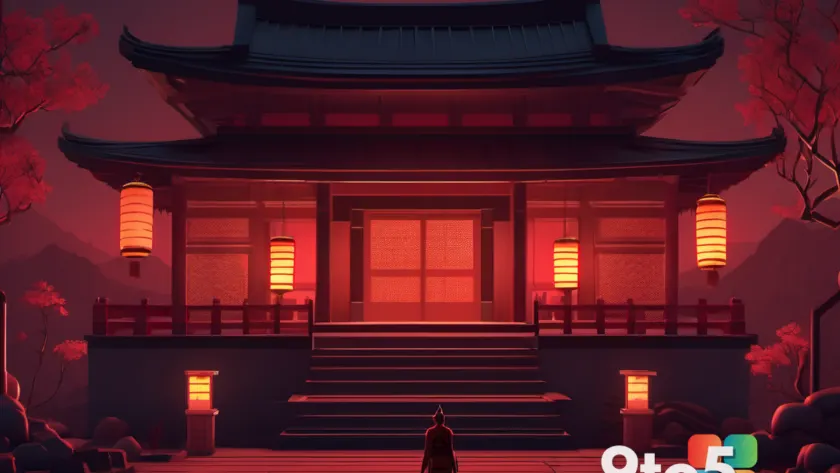
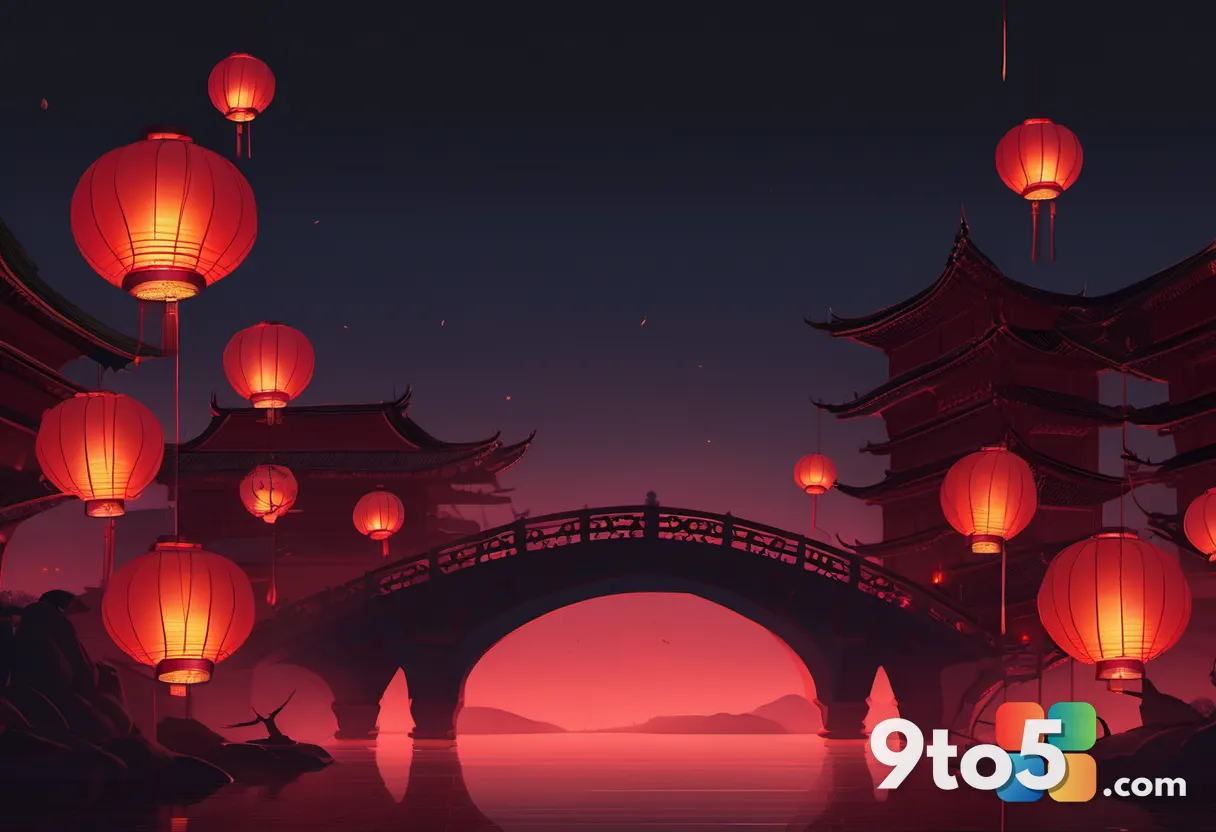
The most striking thing about Tarae: The Unbound is not its combat, but its world. The Boundary team explicitly set out to escape what they describe as the tired, overused aesthetic of Western medieval Europe. No knights, no gothic cathedrals, no familiar European folklore bolted onto a generic dark-fantasy setting.
Instead, the game drops you into a world shaped entirely by Eastern visuals and traditions, spanning roughly the 15th to 17th centuries. The lore pulls heavily on Buddhist cosmology and the Six Realms of Rebirth, with realms like the Asuras, Hungry Ghosts, and Hell all tied together by karma, fate, and Yin-Yang mechanics.
The central conflict is just as unconventional. Rather than a simple good-versus-evil setup, the story follows a crew of seekers trying to stop a figure named Agasa from completely breaking the wheel of rebirth. That single premise alone is enough to separate this from the standard Western template most ARPGs lean on, and it gives the whole game a mythology that feels researched rather than recycled.
Six classes built on historical Eastern jobs
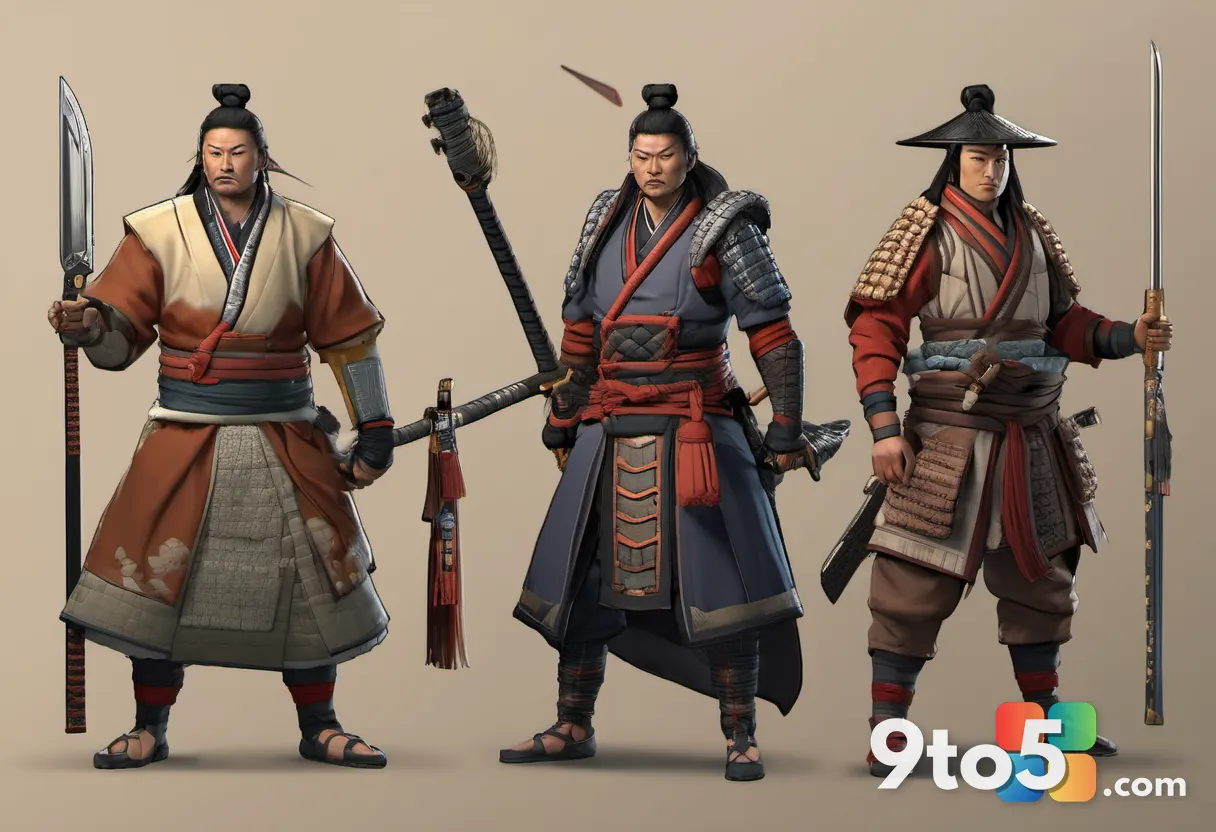
Where the genre comparison gets murkier is the character creation. You can pick from six classes, all grounded in real historical Eastern occupations rather than the usual fantasy archetypes of paladins and mages.
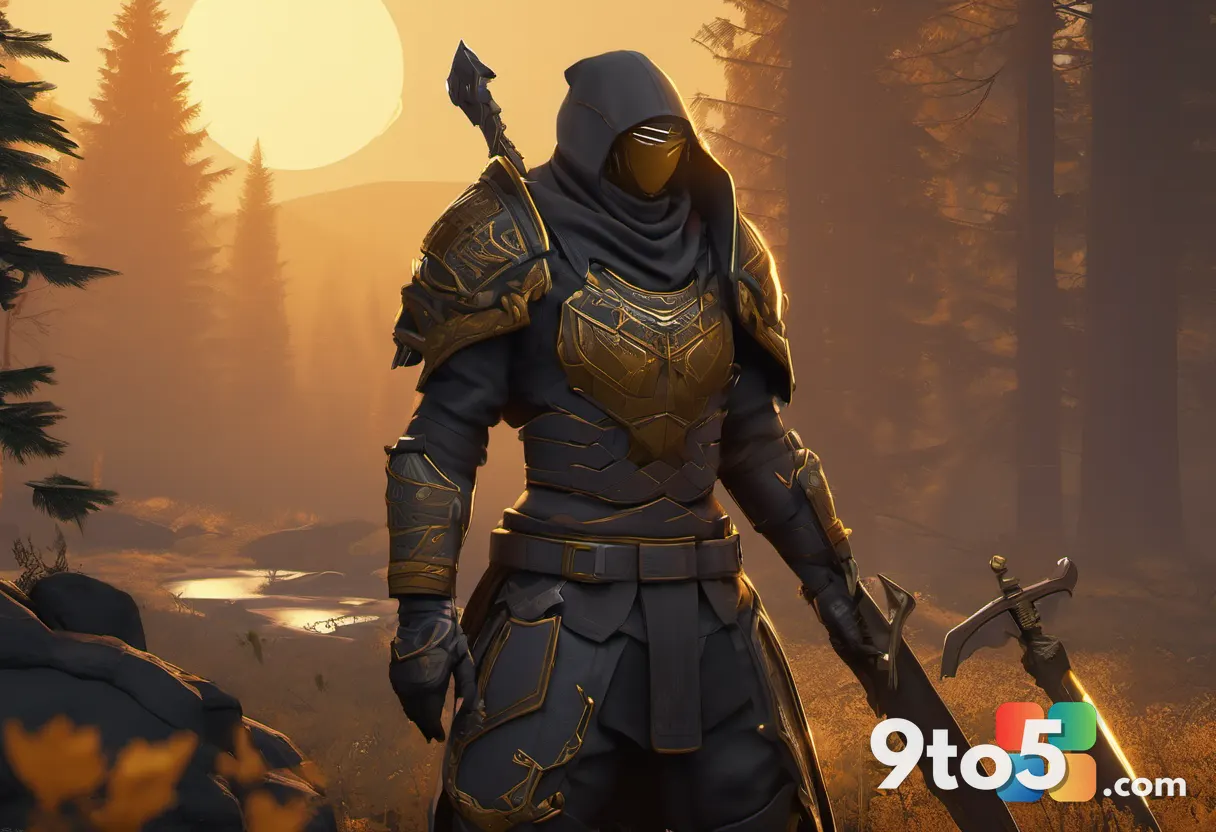
There is a Samurai who swaps stances mid-combat, a Tiger Hunter who lays traps and blasts enemies at range with early-modern firearms, and a Manshin who draws on Korean shamanic traditions to fight. Each one feels like it was designed to reinforce the game’s Eastern setting rather to bolt onto a Western one.
For players who have logged hundreds of hours into class-based ARPGs, this is a meaningful change of pace. The mechanical foundation is still recognizably Diablo-style, but the flavor is entirely its own, and it is hard to find six classes anywhere else in the genre that feel this deliberately tied to a specific culture.
Bosses that make you actually learn their patterns
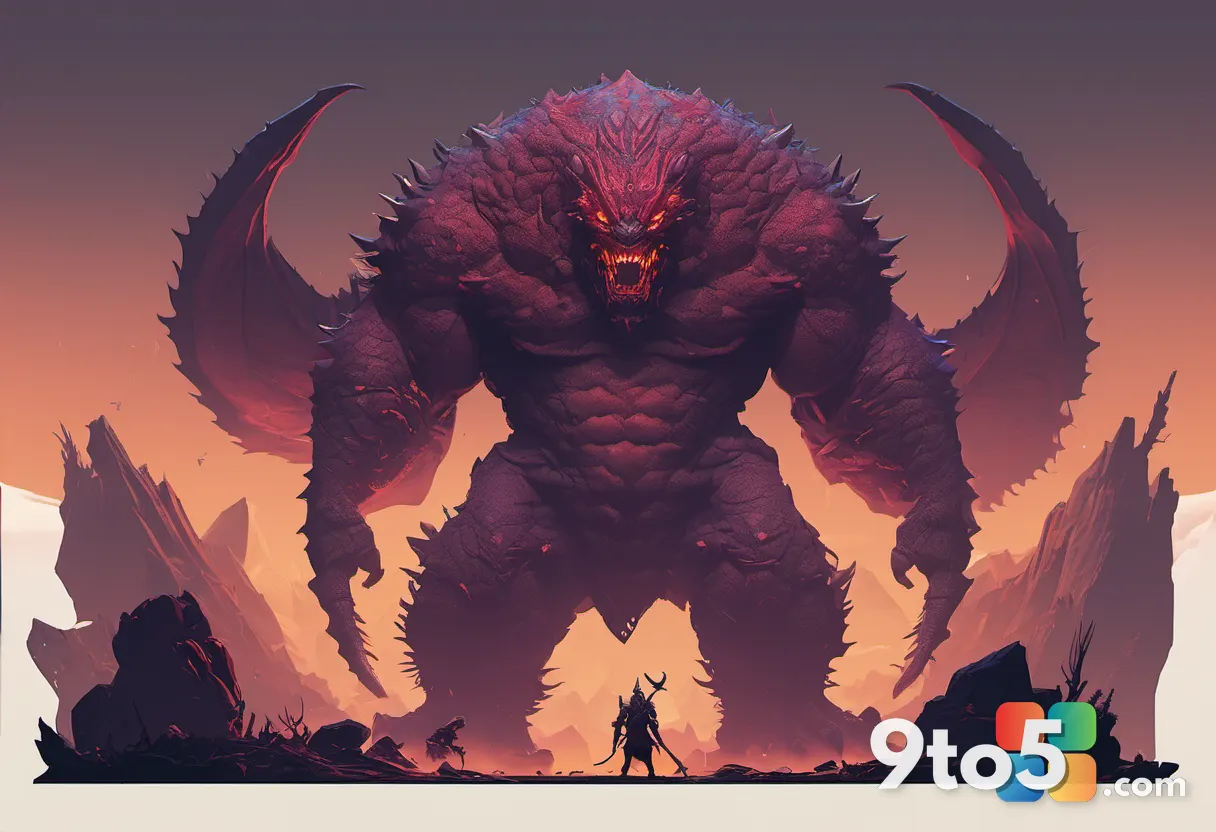
This is where Tarae: The Unbound starts to feel genuinely different from the game it copies. The team packed over 80 unique bosses into the campaign, and they are not just stat sponges standing around to be beaten down.
Each boss is a multi-phase fight tied directly to old folklore, designed to force you to read and counter their attack patterns. According to the Windows Central preview, the early game is considerably more punishing than Diablo — the writer died repeatedly in front of the developers while running the Samurai, and only got the hang of it after a string of humbling defeats.
That difficulty curve matters for a specific type of player. If you are used to power-leveling through early zones with a slightly overpowered build, you will have to actually learn the game here. It rewards pattern recognition and timing over raw build optimization, which is a rarer approach in a genre built around loot power spikes.
Progression without the alt-grind
One design choice is worth calling out for anyone who has fatigued on the classic ARPG endgame loop. Once you beat the campaign with a single class, the remaining classes unlock for the endgame. You do not have to re-grind the entire story for every alternate character.
That is a small but meaningful quality-of-life change. It removes one of the most common complaints about the genre — the exhausting repetition required to unlock content you already saw once — and keeps the focus on the boss and loot loop itself rather than on replaying the same campaign four times.
What This Means for You
For everyday players, the takeaway is simple: this is one of the more interesting entries in a genre that has been drowning in clones. The Eastern mythology gives it a visual and narrative identity that most Western medieval fantasy copies lack, and the boss design suggests a steeper, more deliberate difficulty curve.
The catch is timing. Tarae: The Unbound is scheduled for a 2027 release, landing on Xbox Series X|S, PlayStation 5, and Steam. The Steam listing is what makes it relevant to Windows PC users, since it signals a native PC port rather than a console-only release you would have to stream or sidestep.
Until then, the only real action item is to watch for more hands-on footage. The 2027 window gives plenty of time for the gameplay to evolve, and the boss difficulty the developers demonstrated could either attract hardcore RPG fans or push casual players away. Either way, it is worth keeping an eye on rather than writing off as another copy.
Source: Latest from Windows Central
Over to you: Will you give Tarae: The Unbound a shot for its Eastern lore, or is the Diablo DNA too familiar for you?