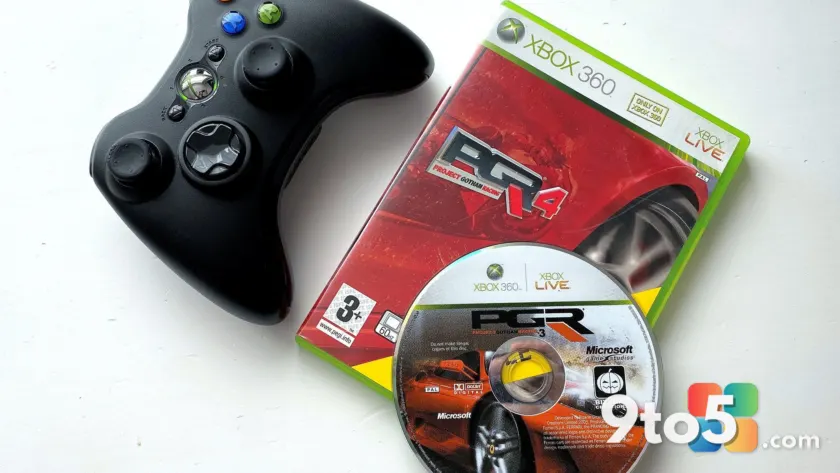
The landscape for video game preservation has shifted dramatically this week. Sony announced it will cease physical disc production entirely by 2028, meaning the upcoming PlayStation 6 will be a digital-only console. Simultaneously, the company confirmed that the PS3 and PS Vita digital storefronts will close as early as August 2026 in select regions.
These moves have reignited a long-standing debate about who owns gaming history. Frank Cifaldi, director of the Video Game History Foundation (VGHF), stated that with legal avenues blocked by industry trade groups like the Entertainment Software Association (ESA), piracy has effectively become the only extant form of media preservation for video games.
The end of physical and digital access
Sony’s decision to drop discs aligns with a broader industry trend. Reports suggest Microsoft is also moving away from disc drives in its next-generation Xbox consoles, potentially including the rumored Xbox Helix. For collectors and historians, this dual shift removes both physical backups and official digital re-purchases for older titles.
Once the PS3 and PS Vita stores shut down, any games not already downloaded by users will become inaccessible through official channels. While discs offer a tangible backup, Cifaldi notes that they are often incomplete without day-one patches hosted on servers that may eventually go offline.

Legal preservation efforts hit a wall
The VGHF and the Software Preservation Network (SPN) have spent years lobbying for DMCA exemptions to allow libraries and archives to preserve digital games. However, in 2024, the US Copyright Office rejected these appeals, citing concerns over safeguarding against widespread piracy.
Cifaldi expressed frustration that while museums prepare for this future, industry representatives refuse to offer meaningful alternatives or cooperate on legal preservation methods. This lack of cooperation leaves cultural heritage institutions with few options to archive games as platforms retire.
What this means for you
For everyday gamers, the shift to digital-only consoles raises concerns about long-term access to your library. If storefronts close or servers shut down, purchased games may become unplayable. Unlike PC gaming, where platforms like GOG and community modding efforts help keep older titles alive, console ecosystems are more closed and dependent on manufacturer support.
If you own physical discs for PS3, PS Vita, or older Xbox titles, consider them your primary backup. For digital-only games, ensure you have downloaded them before any potential store closures. The window to secure these titles is narrowing as the industry moves fully toward digital distribution.
The PC advantage
PC gaming has largely transitioned to digital distribution without losing access to older titles. The open nature of Windows allows for emulation, modding, and multiple storefronts that overlap in their libraries. Services like Windows Xbox Mode and SteamOS are further blurring the lines between console and PC gaming, offering more flexibility for preservation.
As consoles become more locked down, the ability to play older games depends increasingly on unofficial methods. Whether through emulation or other means, the community is stepping in where official channels have failed to provide a sustainable path for game history.
Source: Windows Central
Over to you: Do you think piracy is justified when official channels fail to preserve gaming history, or should we wait for legal solutions?