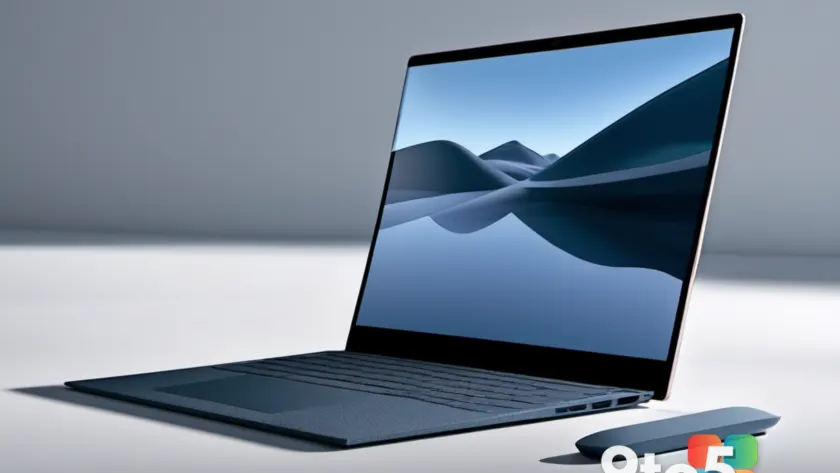
Microsoft just confirmed its Windows and Surface event will take place on October 7, 2026. According to the invite, the event will focus on “how local AI will shape the next chapter of the PC.” That tagline isn’t exactly going to drive the general PC audience to their screens.
Still, the pieces fit together. Microsoft has poured billions into on-device AI, and it built what some are calling the “best laptop ever made” to run it. Given the event’s stated focus, the Surface Laptop Ultra — announced at Computex 2026 — is almost certainly going to be the star of the show.
The reason many readers are shrugging is simpler than you might expect. It’s not the hardware. It’s the feeling that nothing about this event will change the way people use their PCs.
What the Windows and Surface event will cover
The Surface Laptop Ultra is Microsoft’s answer to the local-AI wave. It’s powered by NVIDIA’s new RTX Spark superchip, a processor Microsoft has positioned as the centerpiece of running AI models directly on the device rather than in the cloud.
That’s a meaningful shift. For years, Windows 11 leaned heavily on Copilot and cloud-connected features, and many users complained about the performance hit and the privacy tradeoffs. Running AI locally is, on paper, a better deal for speed and privacy.
But here’s the rub: a new chip and a new processor don’t automatically translate into a new experience for the person buying the laptop. If the event is just another hardware reveal dressed up as a philosophy about AI, readers have every reason to keep their remote controls handy.
Readers are already losing faith
The response to the announcement has been largely cool, to put it diplomatically. Windows Central’s comment section and social feeds have been full of skepticism.
One reader, Lil Frier, put it bluntly: “Nothing about this matters. the Laptop has always been my least-favorite computer in the Surface family. The RTX version is just AI-focused internals at a comical price.” Frier added that Windows 11 is “nothing more than a reason I have stuck with Windows 10.”
Another reader, aruntopez10, aimed the arrow at Microsoft’s events more broadly: “Honestly, I have zero faith in this event. Their events have become so boring and unwatchable ever since Panos left (including even his last event). It’s sad how they went from having the BEST and interesting fall tech events to the worst.”
Those aren’t fringe takes. They’re the kind of comments you’d expect from loyal fans who’ve been let down before.
The Surface brand’s rough patch
The frustration isn’t new. Microsoft’s Senior Editor Zac Bowden publicly called the 2023 Surface and AI event “a massive blunder and missed opportunity” — a stinging assessment from someone inside the coverage.
There’s also the lingering question of identity. The Surface line built its reputation on bold form factors and hardware that felt genuinely different. The departure of Panos Panay, the executive most associated with shaping Surface’s early design language, has left a void that many fans still notice.
Earlier this year, I published a piece laying out how Microsoft could save the Surface brand. The short version: fans want innovation, not incremental updates. They want a device that reminds them why they fell for Surface in the first place — not another box built to run AI.
Windows K2 offers a different path
It’s worth contrasting Surface with Windows. Microsoft has genuinely shifted course on Windows 11 through its Windows K2 initiative, which targets some of the most frequently complained-about parts of the operating system.
This week we saw that process stumbling, but the direction is right. If Microsoft can deliver real, user-friendly changes to Windows 11, it may rebuild trust where it matters most: the software people actually run every day.
Surface, by contrast, looks like it’s sliding. The strategy feels more like packaging than vision — AI features bolted onto a familiar chassis rather than a fresh reason to care.
What this means for you
If you’re a casual user, the October 7 event probably won’t pull you in. A new laptop with a new chip is a slow-burn upgrade cycle; most people replace their machines every three to five years, and a local-AI processor alone rarely justifies that.
If you’re a Surface fan, this is the moment to decide whether you’re still invested. The brand has spent several events testing that loyalty, and the bar is now uncomfortably low.
If you’re an IT admin or power user watching for real productivity gains, keep an eye out for what Microsoft actually promises about local AI — not just the silicon. The software story matters more than the silicon.
How to watch
The event is set for October 7, 2026, and Microsoft hasn’t revealed a start time or streaming link yet. Bookmark the Windows Central coverage and the official Microsoft channels, and we’ll have a full rundown the moment anything is confirmed.
Until then, the question isn’t whether the event will happen — it’s whether it can make a skeptical audience care. Microsoft has two weeks to prove it can.
Source: Latest from Windows Central
Over to you: Will you tune in to the October 7 event, or are you saving your coins until Microsoft actually surprises us?
You may also like
 Windows 11 Insider builds get upgrades to Cloud rebuild, Magnifier, and Hyper-V
 Pew AI Job Loss Survey: Most Worldwide Expect AI to Cut Jobs, Not Create Them
 GhostCode: How Device-Code Phishing Is Hijacking Microsoft 365 Accounts
 Microsoft Confirms Clipchamp Hardware Requirements Are Surprisingly Strict